Hair Trimmer & Clipper Blades
Replacement and upgrade blades for hair trimmers and clippers, including stainless steel, ceramic, and adjustable cutting blades for home and professional grooming. The 33 indexed products average a 4.37 rating and range from about $33 to $120, with brands like BaBylissPRO represented
Top Products

Beard Trimmer 21-piece grooming kit with USB dock
OLOV For Man
Mid-Range
Beard Trimmer 21-Piece Grooming Kit & Hair Clipper
OLOV For Man
Mid-Range
Ufree 7-in-1 beard grooming kit for men
Ufree
Mid-Range
Meridian Trimmer Replacement Blade (3-pack) – Onyx Ceramic
MERIDIAN
Mid-Range
Oster Professional Clipper Blades Size 1
Oster
Budget
LUCAS-CIDE Clipper Cleaner Spray, Disinfectant & Lubricant (Set of 3)
LUCAS-CIDE
Budget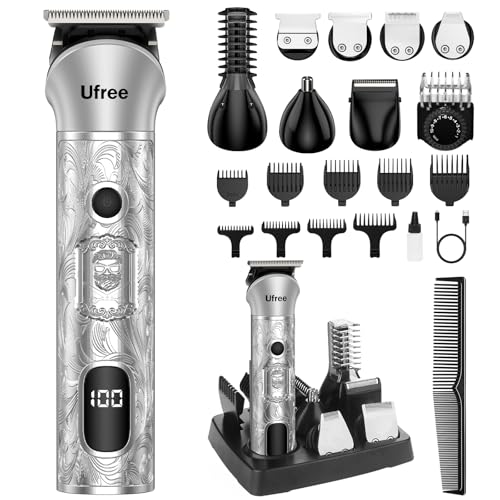
Ufree 7-in-1 beard trimmer for men
Ufree
Mid-Range
Andis Master Cordless Replacement Blade 000-1
Andis
Mid-Range
Psycho Blade Gold 6.9 Set for Troll and X (Gold) – TPOB
TPOB
Budget
TPOB replacement blades for clippers & trimmers
TPOB
Budget
StyleCraft Replacement X-Pro Wide Fixed Black Diamond Carbon Hair Trimmer Blade
Stylecraft
Mid-Range
BaBylissPRO Replacement Blades for FX series trimmers
BaBylissPRO
Mid-Range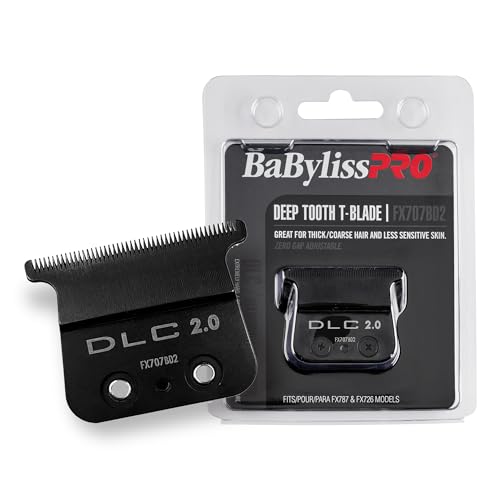
BaBylissPRO Replacement Blades - Deep-Tooth T-Blades for FX787/FX799 & LoPROFX FX726/FX729
BaBylissPRO
Mid-Range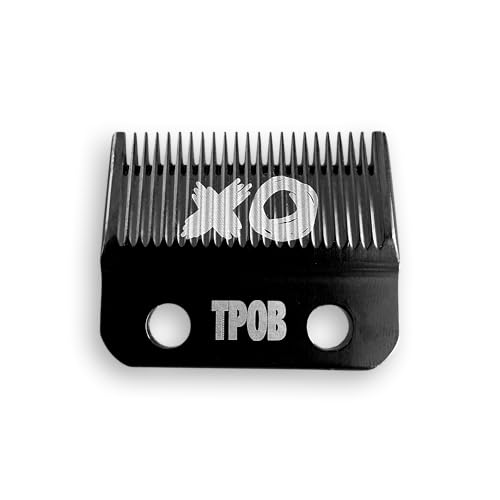
TPOB Graphene Fade/Taper Combo Blade Set
TPOB
Budget
Replacement Blades Deep-Tooth T-Blades for BaBylissPRO Trimmers
BaBylissPRO
Mid-Range
TPOB Replacement Blades for Clippers & Trimmers
TPOB
Budget
BaBylissPRO Replacement T-Blades for FX series trimmers
BaBylissPRO
Mid-Range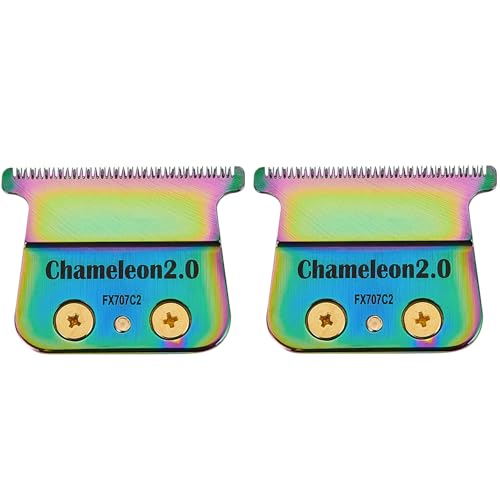
2PCS Replacement Blades for BaBylissPRO FX787 FX726 Trimmers
AUDOC
Mid-Range
FX707Z DLC replacement blades for BaByliss PRO trimmers
Audoc
Budget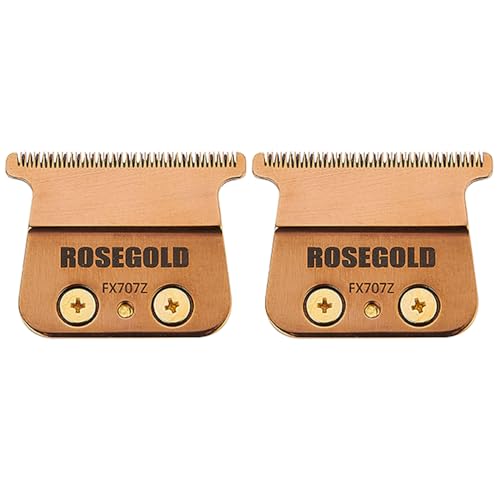
2PCS Replacement Blades for BaBylissPRO FX787 FX726
AUDOC
Mid-Range
TPOB Replacement Blades for Clippers & Trimmers (Psycho Unicorn)
TPOB
Budget
GAMMA+ Hair Trimmer Fixed Moving Blade Replacement
GAMMA+
Mid-Range
AUDOC 2pc replacement trimmer blades for BaBylissPRO FX787 FX726
AUDOC
Mid-Range
FX707ZB2 replacement blades for BaBylissPRO FX787/FX726, black, 3pcs
Sodaer
Mid-RangeRoundups
- Best Hair Trimmer & Clipper Blades for Beard Trimming (2026)
- Best Hair Trimmer & Clipper Blades for Body Grooming (2026)
- Best Hair Trimmer & Clipper Blades for Hair Clipping (2026)
- Best Hair Trimmer & Clipper Blades Under $200 (2026)
- Best Hair Trimmer & Clipper Blades Under $100 (2026)
- Best Hair Trimmer & Clipper Blades Under $50 (2026)
- Best Hair Trimmer & Clipper Blades (2026 Guide)
Frequently Asked Questions
How do I choose the right blade type for my hair trimmer or clipper?
Choose blades based on cutting style and hair/coarseness: stainless steel or carbon steel blades are common for general use, ceramic blades stay cooler and resist corrosion, and T-blades or wide blades are better for edging and heavy-duty cutting. Match blade tooth spacing (fine vs. wide) to desired closeness and hair thickness
What should I consider regarding blade size, length settings, and compatibility?
Look at blade cutting length or blade number, whether the blade is adjustable or used with guide combs, and brand/model compatibility or universal-fit design; many blades are sold as specific replacements for certain trimmer models, while some third-party blades fit multiple devices with the same mounting system
How much can I expect to spend on replacement blades and upgrades?
Replacement and upgrade blades typically range from budget options under $20 to higher-end or specialty blades above $75, with the category average reflecting mid-range pricing; price often correlates with materials (ceramic, high-carbon steel) and whether a blade is part of a precision kit
How do I maintain trimmer and clipper blades to extend their life?
Clean blades after each use by brushing out hair and wiping with a dry cloth, oil them regularly according to manufacturer guidance to prevent rust and reduce friction, and periodically align or replace worn cutters to maintain cutting performance
What safety and performance signs indicate I should replace the blades?
Replace blades if they pull or snag hair, produce uneven cuts, become noticeably dull despite sharpening, show rust or chipped teeth, or if the trimmer vibrates more than usual—these signs indicate loss of cutting efficiency or damage
Are ceramic blades better than steel blades for sensitive skin?
Ceramic blades run cooler and are less likely to irritate skin due to lower heat transfer and corrosion resistance, but sharpness and edge quality matter most; choose ceramic if overheating or metal allergy is a concern and ensure the blade fits your trimmer model
Can I sharpen or resurface clipper blades myself, and how often should it be done?
Many steel blades can be professionally sharpened or resurfaced; at-home sharpening is possible with the right tools but requires skill—frequency depends on use, typically every few months for heavy use and less often for occasional home users