Alto Saxophone Reeds
Alto saxophone reeds for wind players, covering traditional cane and synthetic options for tone and durability. The category includes 53 indexed products with an average rating of 4.67 and price tiers from about $34 to $105, featuring brands like Vandoren, D'Addario, and Legere
Top Products

Vandoren Alto Sax Traditional Reeds, strength 3 (box of 10)
Vandoren
Budget
Vandoren SR212 Alto Sax Reeds - Traditional, Strength 2 (Box of 10)
Vandoren
Budget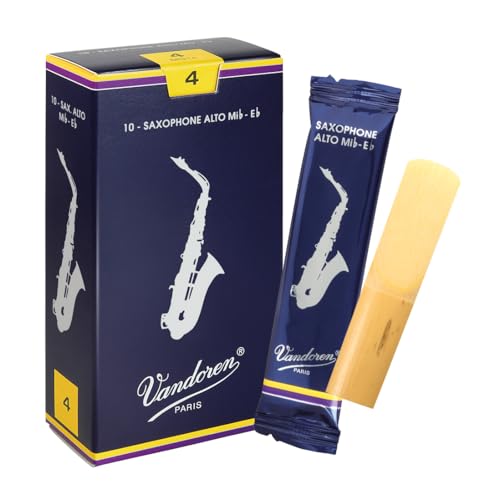
Vandoren SR214 Alto Sax Reeds 4 (box of 10)
Vandoren
Budget
Vandoren SR2115 Alto Sax Reeds 1.5 (Box of 10)
Vandoren
Budget
Vandoren SR2135 Alto Sax Traditional Reeds 3.5 (Box of 10)
Vandoren
Budget
Vandoren Alto Sax JAVA Reeds 3.5 (Box of 10)
Vandoren
Budget
Vandoren Alto Saxophone Reed, JAVA Green (SR262)
Vandoren
Budget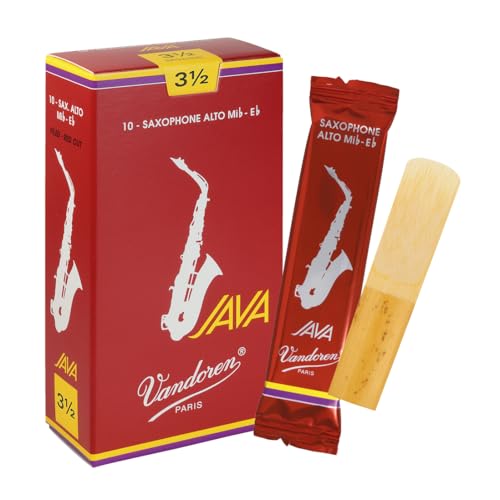
Vandoren Java Filed Alto Sax reeds (3.5) single
Vandoren
Budget
Vandoren JAVA Red Alto Sax Reeds 3 (Box of 10)
Vandoren
Budget
Vandoren Alto Sax JAVA Red Reeds 2.5 (Box of 10)
Vandoren
Budget
Vandoren SR2625 Alto Sax JAVA Reeds 2.5 (Box of 10)
Vandoren
Budget
Vandoren Alto Sax JAVA Red Reeds 2 (Box of 10)
Vandoren
Budget
D'Addario Rico Alto Sax Reeds 3.0 (25 pack) RJA2530
D'Addario
Mid-Range
D'Addario Rico Alto Saxophone Reeds 2.0 (RJA2520) 25-pack
D'Addario
Mid-Range
D'Addario Rico Alto Sax Reeds 2.5 (25-pack) RJA2525
D'Addario
Mid-Range
D'Addario Rico Alto Saxophone Reeds, strength 3.5, 25-pack
D'Addario
Mid-Range
D'Addario Rico Alto Saxophone Reeds, 25-pack, strength 2.0
D'Addario
Mid-Range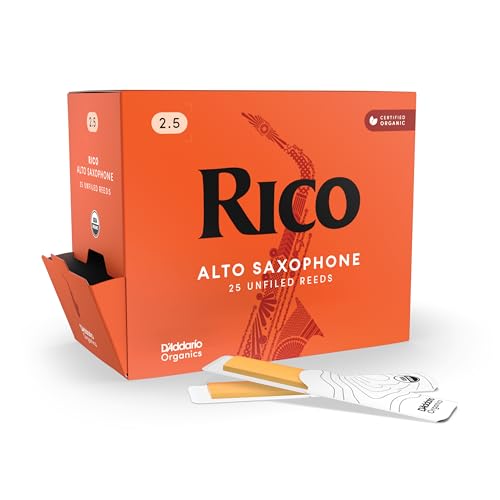
D'Addario Rico Alto Saxophone Reeds 2.5 - 25 pack
D'Addario
Mid-Range
Vandoren SR6125 Alto Sax Reeds 2.5 (10pk) V.12
Vandoren
Mid-Range
Vandoren SR6135 Alto Sax Reeds, strength 3.5 (box of 10)
Vandoren
Mid-Range
Vandoren SR613 Alto Sax V.12 Reeds, strength 3 (10 pack)
Vandoren
Mid-Range
Legere Alto Sax Reed Signature 2.25
Legere
Budget
D'Addario Organic Jazz Filed Alto Sax Reeds - 2 Medium, 10 pack
D'Addario
Budget
Legere Alto Saxophone Reed Signature 2.00
Legere
Mid-RangeRoundups
Frequently Asked Questions
How do I choose the right reed strength for alto saxophone?
Start with a medium strength (around 2.5–3.0) if you’re an intermediate player; beginners often begin at 2.0–2.5 and advanced players may prefer 3.5–4.5. Reed response and comfort vary by mouthpiece and embouchure, so try a few strengths to find the balance of tone, ease of articulation, and resistance that suits you
What are the main material types and how do they affect sound?
Reeds are commonly made from natural cane or synthetic/composite materials. Cane reeds typically produce a warmer, more traditional tone but vary more between individual pieces, while synthetic reeds offer greater consistency, durability, and stable response in changing humidity at the expense of some tonal warmth
How should I care for and extend the life of my reeds?
Rotate multiple reeds to let each one dry between uses, rinse with clean water after playing, store on a flat reed case to prevent warping, and avoid prolonged exposure to extreme heat or moisture. Replace reeds when they lose response, vibrational clarity, or develop chips and deep cracks
How many reeds should I buy and how often will I need to replace them?
Most players keep a rotation of 3–6 reeds to maintain consistent performance; frequency of replacement depends on usage, care, and material—casual players may replace reeds every few months, frequent players every few weeks, and synthetic reeds often last longer than cane
Do reed brands and cut/style matter?
Yes—brand and cut (strength, tip and vamp profile, cut geometry) influence tone, resistance, and articulation. Try reeds from reputable makers in different cuts to find the combination that matches your mouthpiece, playing style, and genre
Are synthetic reeds a good alternative to cane reeds?
Synthetic reeds are a solid option if you want consistency, durability, and better performance in extreme climates; many players use them for practice, travel, or situations where reliability matters, though some prefer cane for its traditional tonal characteristics
What should I look for when testing reeds in a store or before buying multiple packs?
Test for immediate response, evenness across registers, comfortable resistance, and the tone you prefer; check several reeds from a pack if possible since cane can vary, and compare how they pair with your mouthpiece and ligature