Audio Component Amplifiers
This category covers audio component amplifiers for home and component audio systems, including compact stereo, integrated, and mini amps. It aggregates 144 products across budget to mid-range price points (average $138) and features brands like Pyle and Fosi Audio
Top Products

Fosi BT10A Bluetooth 5.0 Stereo Amplifier
Fosi Audio
Mid-Range
AK45 Bluetooth 5.0 HiFi stereo amplifier 40W x 2
DideaECO
Budget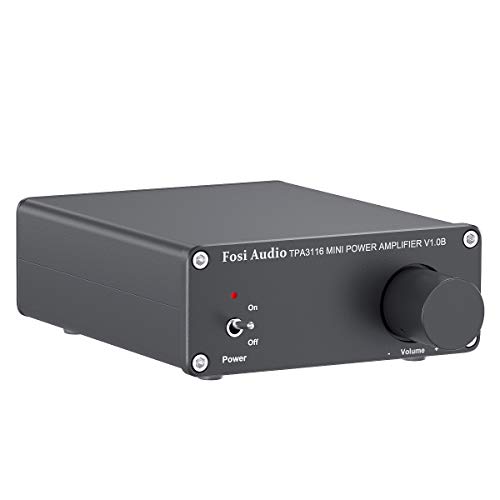
Fosi Audio V1.0B 2-Channel Mini Stereo Amplifier
Fosi Audio
Mid-Range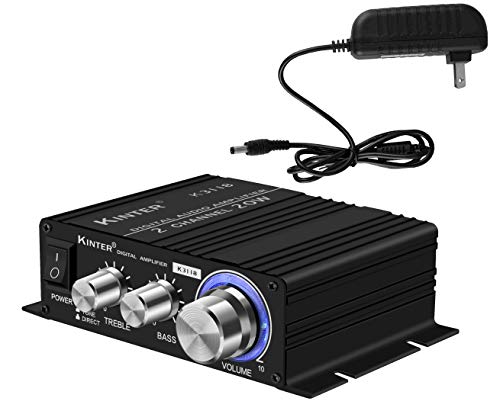
Kinter K3118 TI Digital Hi-Fi Audio Mini Class D Amplifier
Kinter
Budget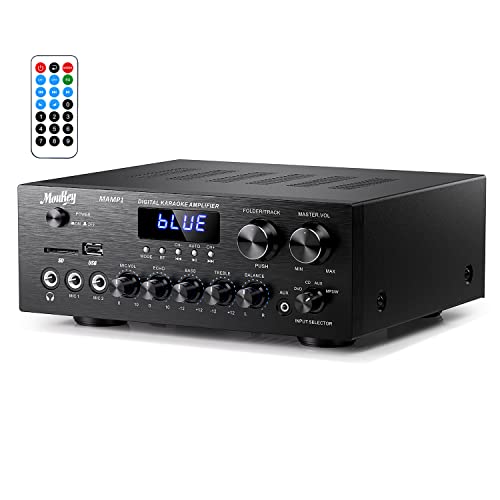
Moukey Bluetooth stereo amplifier 2-channel 400W peak
Moukey
Mid-Range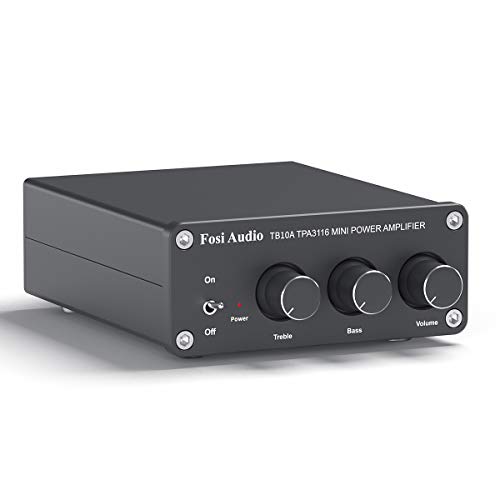
Fosi TB10A 2-Channel Stereo Audio Amplifier Receiver
Fosi Audio
Mid-Range
Fosi Audio TP-02 Subwoofer Amplifier – Mono Bass Amp with TDA7498E
Fosi Audio
Mid-Range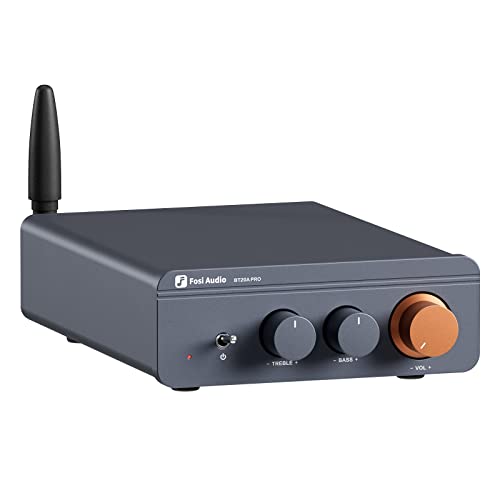
Fosi Audio BT20A Pro Bluetooth 5.0 Amplifier
Fosi Audio
Mid-Range
AK45 Stereo Amplifier 300W 2-Channel Bluetooth
Daakro
Mid-Range
160W+160W amplifier board with treble & bass control
DAMGOO
Budget
Stereo Audio Amplifier S288 with Bluetooth 5.0
DideaECO
Mid-Range
Fosi Audio V3 stereo amplifier
Fosi Audio
Mid-Range
Fosi Audio M04 Subwoofer Amplifier for Passive Speakers
Fosi Audio
Mid-Range
Pyle 200W Wireless Bluetooth Stereo Amplifier
Pyle
Mid-Range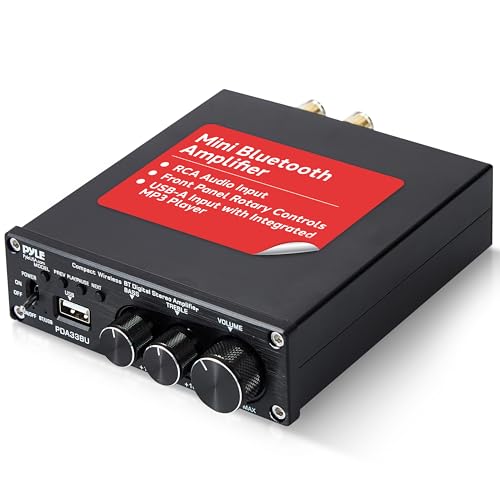
Pyle 2.1 Channel Wireless Stereo Amplifier
Pyle
Mid-Range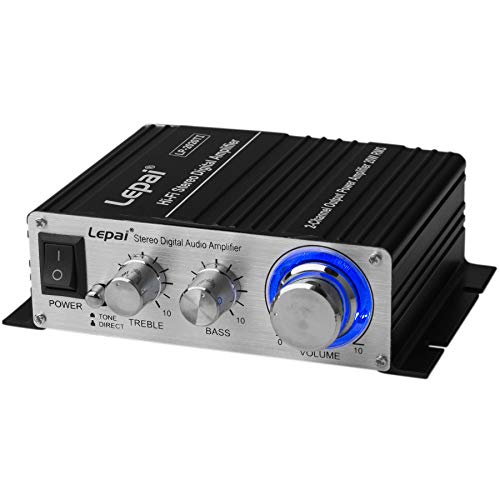
Lepai LP-2020TI Hi-Fi Mini Class D Stereo Amplifier
Lepai
Mid-Range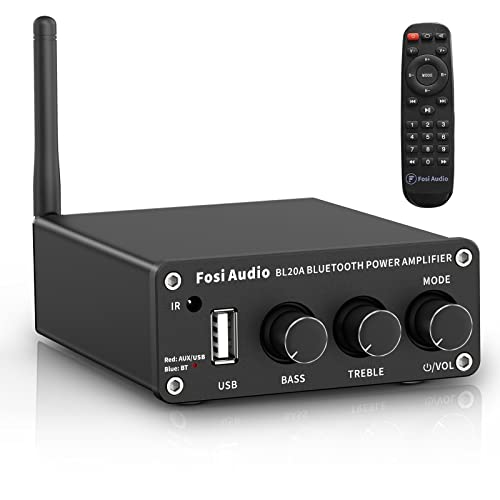
Fosi Audio BL20A 200W Bluetooth 5.0 Stereo Amplifier
Fosi Audio
Mid-Range
Romicta 2-channel 450W x2 Bluetooth amp with FM, USB, SD, optical & coaxial inputs
Romicta
Mid-Range
Sunbuck Mini Amplifier 2-Channel Bluetooth Receiver AS-22BU
JS Electronics Limited
Budget
ZK-1001U Mono Bluetooth Amplifier Board (2pcs) with TWS
Daakro
Budget
Pyle 2x120W Bluetooth Power Amplifier System PTA4
Pyle
Mid-Range
Pyle compact 2x100W Bluetooth mini amplifier receiver
Pyle
Mid-Range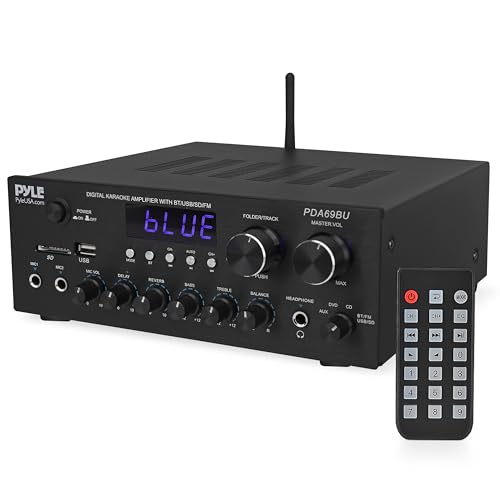
Pyle 2.0 channel stereo amplifier with Bluetooth
Pyle
Mid-Range
Pyle Bluetooth HiFi Mini Desktop Amplifier PDA20BT
Pyle
Mid-RangeRoundups
Frequently Asked Questions
What amplifier classes are common and how do they affect sound and efficiency?
Class A/B hybrids balance sound quality and efficiency and are common in hi-fi amplifiers; Class D is highly efficient and compact, suited for powered subwoofers and space-constrained setups; each class can sound different depending on design, so reviews and measurements help compare models
Which connections and inputs should I look for to match my source components?
Ensure the amplifier has the necessary inputs (RCA, 3.5mm, optical, USB, Bluetooth) for your sources and the correct outputs for speakers (binding posts or spring clips) and subwoofers (preamp or sub out); line-level preouts and a phono input are important if you use a turntable or external preamp
How does impedance compatibility affect amplifier and speaker pairing?
Amplifier ratings specify stable impedance (e.g., 4 Ω, 8 Ω); use speakers with nominal impedance within the amp's supported range to prevent overheating or protection shutdown, and avoid wiring multiple speakers in ways that drop overall impedance below the amp's limit
What features improve usability and listening experience in an amplifier?
Look for volume control type (analog vs. digital), tone controls or EQ, remote control, built-in DACs, headphone outputs, and Bluetooth codecs; features should match your listening habits and source quality without adding unnecessary complexity
Are there maintenance or placement tips to prolong amplifier life?
Provide adequate ventilation, avoid stacking heat-generating components, keep vents dust-free, use proper gauge speaker wire and secure connections, and power down during storms or extended inactivity to reduce wear and electrical risk
What price ranges should I expect for different amplifier types?
Entry-level compact and Class D amplifiers often fall in the lower price tiers, midrange integrated and stereo amplifiers occupy moderate price bands, and higher-end audiophile or feature-rich models command higher prices; products in this category average around the mid-hundreds but vary widely