Bass Guitar Strings
Bass guitar strings for electric and acoustic basses, including roundwound, flatwound, coated, and hybrid sets for various playing styles and gauges. The category covers 107 indexed products from budget through premium, averaging a 4.62 rating and featuring brands like DR Strings and D'Addario
Top Products

D'Addario XL Nickel bass strings EXL170TP 4-string 45-100
D'Addario
Budget
D'Addario XL Nickel Bass Strings EXL165TP 4-string set (45-105) long scale
D'Addario
Budget
D'Addario XL Nickel 5-String Bass Strings EXL170-5TP
D'Addario
Budget
D'Addario XL Nickel 8-string bass strings EXL170-8 (45-100) long scale
D'Addario
Budget
DR Strings HI-BEAMS 5-string bass strings, 45-125, stainless
DR Strings
Budget
DR Strings Hi-Beam stainless steel bass strings 5-string 40-120
DR Strings
Budget
DR Strings Pure Blues Bass Strings PB5-40
DR Strings
Budget
DR Black Beauties Bass 5 Strings 45-130
DR Strings
Budget
D'Addario XL ProSteels Bass Strings EPS300 – Long Scale, Custom Light Top / Medium Bottom
D'Addario
Budget
DR Strings Pure Blues Bass Strings (PB6-30)
DR Strings
Budget
DR Strings Hi-Beam 5-string Bass Strings, Extra Long Scale
DR Strings
Budget
Fender 9050L Bass Strings – .045-.100 flatwound
Fender
Budget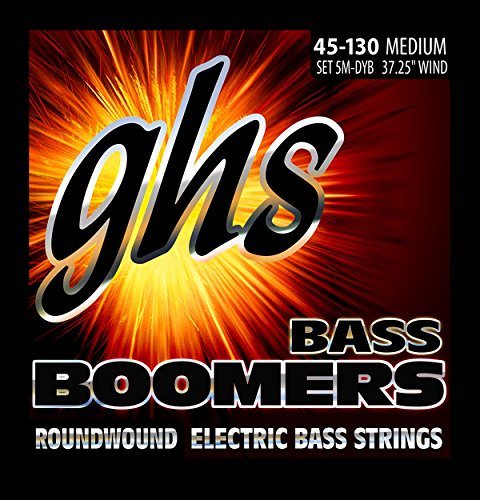
GHS Strings 5M-DYB 5-string bass boomers, nickel-plated long scale
GHS Strings
Budget
D'Addario XL Chromes Flat Wound Bass Strings ECB80
D'Addario
Mid-Range
D'Addario XL ProSteels Bass Strings EPS170-6SL, 6-string, 32-130
D'Addario
Budget
Ernie Ball Slinky Flatwound Bass Strings 45-100
Ernie Ball
Mid-Range
DR Strings SUNBEAM 5-String Bass Strings Lite 40-120
DR Strings
Budget
DR Strings Beauties Black Coated Bass Strings 6-string 30-125 gauge
DR Strings
Mid-Range
Elixir 80/20 bronze acoustic bass strings, light gauge, long scale
Elixir
Mid-Range
Elixir Nickel Plated Bass Strings with NANOWEB Coating - Extra Long Scale
Elixir
Mid-Range
D'Addario XL Half Rounds Bass Strings ENR72, long scale, light-mitted feel
D'Addario
Budget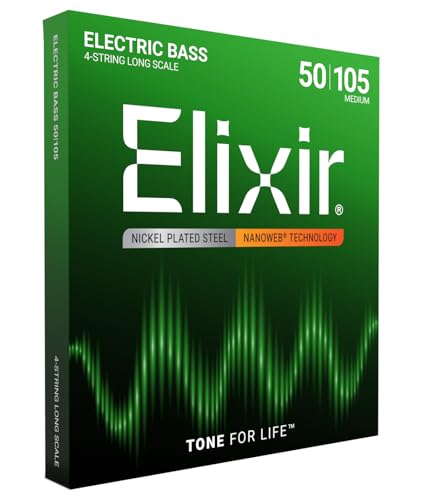
Elixir Nickel Plated Steel 4-String Bass Strings with Nanoweb Coating
Elixir
Mid-Range
Elixir nickel-plated steel bass strings 4-string long scale .040-.095
Elixir
Mid-Range
Ernie Ball Regular Slinky Flatwound Bass Strings 50-105
Ernie Ball
Mid-RangeRoundups
- Best Bass Guitar Strings for Practice Sessions (2026)
- Best Bass Guitar Strings for Studio Recording (2026)
- Best Bass Guitar Strings for Live Performance (2026)
- Best Bass Guitar Strings Under $200 (2026)
- Best Bass Guitar Strings Under $100 (2026)
- Best Bass Guitar Strings Under $50 (2026)
- Best Bass Guitar Strings (2026 Guide)
Frequently Asked Questions
How do I choose the right gauge for bass guitar strings?
Choose gauge based on play style and tuning: lighter gauges (e.g., .040–.095) are easier to bend and better for fast, technical playing or drop tunings, while heavier gauges (e.g., .045–.110) provide more tension, fuller tone, and stability for low tunings and aggressive playing
What materials are bass strings made from and how do they affect tone?
Common materials include nickel-plated steel (balanced brightness and warmth), stainless steel (brighter, more attack, corrosion-resistant), and coated strings (additional polymer layer for extended life and reduced finger noise); roundwound gives brightness and texture, flatwound yields a smoother, darker tone
How often should I change my bass strings?
Change strings based on use and preference: casual players might change every 6–12 months, gigging or recording players often change every 1–3 months, and players who notice dull tone, tuning instability, or visible corrosion should replace them sooner
Can I mix string brands or gauges on my bass?
You can mix brands if the gauges and scale length match, but tone and feel may vary between strings; for consistent playability and balanced tone across strings, most players use the same set and gauge from one brand
What should I consider for tuning stability and string breakage prevention?
Use proper winding technique at the tuner, stretch new strings gently after installation, check bridge and nut for sharp edges, and choose strings with appropriate gauge and material for your tuning and playing style to reduce breakage and improve stability
Are coated bass strings worth the extra cost?
Coated strings typically last longer in tone and resist corrosion from sweat and oils, making them cost-effective for players who want longer life and less frequent changes, though some players prefer the raw feel and brightness of uncoated strings
How does scale length affect string choice?
Longer scale lengths (e.g., 35") require more tension for the same pitch and may benefit from heavier gauges to avoid floppiness; check your instrument’s scale length and choose string sets specified for that length to maintain correct tension and intonation