Binoculars
Binoculars for outdoor, birding, stargazing, and sporting use, ranging from compact porro designs to high-end roof-prism optics. The category spans budget through premium options (444 products, avg rating 4.49) and includes brands like Bushnell and Nikon. Average price sits around $236 with a broad $33–$3699 range
Top Products

Occer 12x25 Compact Binoculars with Large Eyepiece
occer
Budget
Aurosports 15x25 Compact Binoculars
Aurosports
Budget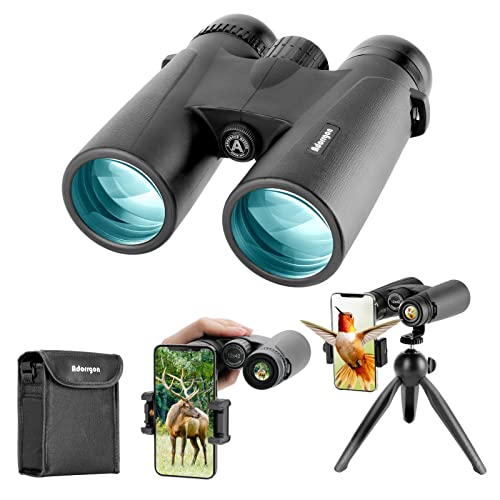
Adorrgon 12x42 Binoculars for adults with phone adapter
Adorrgon
Mid-Range
Aurosports compact binoculars 16x32 for adults and kids
Aurosports
Mid-Range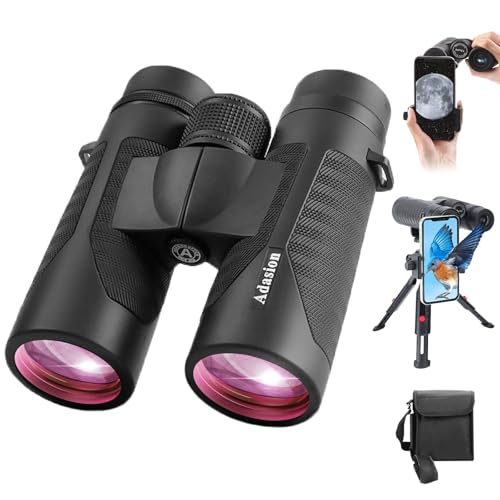
12x42 Binoculars with phone adapter and tripod
Adasion
Mid-Range
12x32 Compact Binoculars for Adults & Kids
Aurosports
Mid-Range
Vortex Crossfire HD 10x42 Binoculars
Vortex
Mid-Range
Gosky 10x42 Roof Prism Binoculars for Adults
Gosky
Mid-Range
Gosky 8x42 Binoculars for adults with phone mount
Gosky
Mid-Range
Vortex Triumph HD 10x42 Binoculars
Vortex
Mid-Range
Vortex Diamondback HD 10x42 Binoculars
Vortex
Premium
Vortex Diamondback HD 8x42 Binoculars
Vortex
Premium
Outland X 8x42 Binoculars for birding and outdoors
Celestron
Mid-Range
Kids Binoculars 8x21 – Shockproof, 3-12 yrs, Living Squad
Living Squad
Budget
20x25 Compact Binoculars with Large Eyepiece, Waterproof, Green
Rodcirant
Mid-Range
Hontry 8x42 Binoculars with IPX6 waterproof protection
Hontry
Mid-Range
Celestron 7x50 Binoculars with Tripod Adapter
Celestron
Mid-Range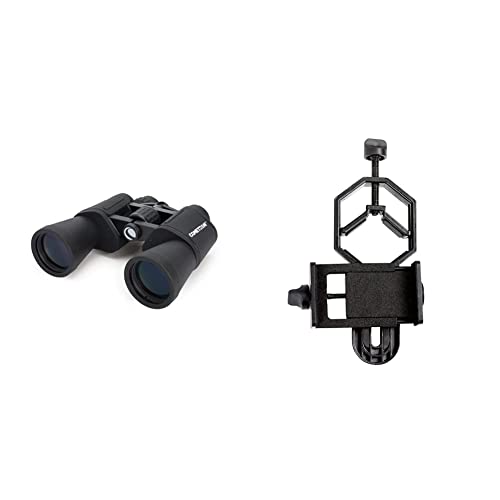
Celestron Cometron 7x50 Binoculars with Smartphone Adapter
Celestron
Mid-Range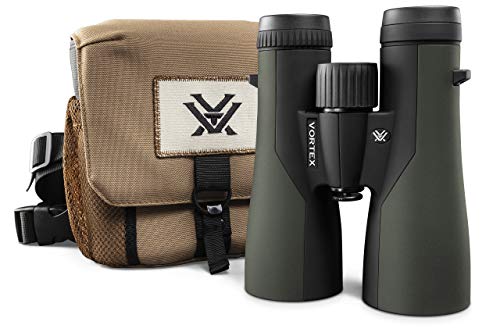
Vortex Crossfire HD 12x50 Binoculars
Vortex
Premium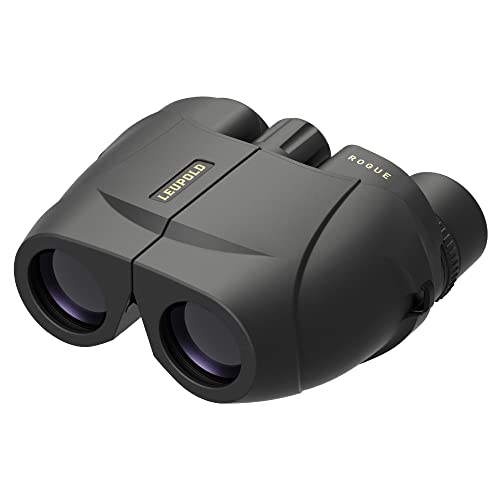
Leupold BX-1 Rogue 8x25 Binoculars
Leupold
Mid-Range
E Tronic Edge binoculars for adults (10x25) with case and strap
E Tronic Edge
Mid-Range
10x25 compact binoculars for adults and kids
Leacco
Budget
Kylietech 12x42 binoculars with phone adapter
Kylietech
Budget
15x52 high-powered binoculars with phone adapter
GIGAPENGUIN
Mid-RangeRoundups
Frequently Asked Questions
How do I choose the right magnification and objective lens size?
Choose binoculars by the two-number designation (e.g., 8x42): the first number is magnification and the second is objective lens diameter in millimeters. Higher magnification (10x or more) brings subjects closer but narrows the field of view and increases shake; larger objectives (40–50 mm) gather more light for low-light use but add weight
What role does field of view and eye relief play in comfort and usability?
Field of view (measured in feet at 1,000 yards or degrees) determines how much scene you see—wider fields are better for tracking moving subjects; eye relief (mm) is the distance your eye can be from the eyepiece while still seeing the full image—longer eye relief (12 mm or more) is important for eyeglass wearers
How do coatings and prism types affect image quality?
Lens coatings (fully multi-coated, multi-coated) reduce reflections and improve contrast and light transmission; prism types like roof and Porro affect size and image alignment—roof prisms are more compact while Porro prisms often deliver a wider perceived depth for the price, but actual performance depends on coatings and optical quality
What should I consider for durability and weather resistance?
Look for features such as waterproofing (nitrogen or argon purged) and rubber armor for shock resistance and grip; fog-proof seals and corrosion-resistant materials improve longevity for outdoor use
How do I pick binoculars within my budget?
Budget options under $100 are suitable for casual use; mid-range binoculars ($100–$400) typically offer better glass, coatings, and build quality; higher-priced models improve low-light performance, sharper optics, and durability—decide based on intended use (birding, astronomy, travel) and how often you'll use them
Do I need a tripod or image stabilization?
Tripods or monopods help stabilize higher-magnification binoculars (10x+) for steady views; image-stabilized models reduce shake electronically but are heavier and more expensive—consider a tripod adapter or a harness for prolonged handheld use
How should I care for and clean binoculars to maintain performance?
Keep dust and debris off lenses using a soft brush or air blower, then gently wipe with a microfiber cloth and appropriate lens cleaner; avoid disassembling optics, store in a dry case, and allow wet binoculars to dry thoroughly to prevent mold and corrosion