Camera Lens Filter Sets
Camera lens filter sets for photography and videography, including UV, ND, CPL and multi-filter kits for various lens diameters. The category spans budget through premium options (211 products, average rating 4.54) and features brands like NEEWER and K&F CONCEPT. Average price is about (price varies)
Top Products

Altura Photo 49mm Lens Filter Kit with UV/CPL/ND & Case
Altura Photo
Budget
EEWER 77mm ND Lens Filter Kit with Cleaning Pen & Pouch
NEEWER
Budget
Neewer ND Filter Set for DJI Mini 3/Mini 3 Pro (6-pack)
NEEWER
Mid-Range
NEEWER Magnetic ND/UV/CPL Filter Set for OSMO Pocket 3 (4-pack)
NEEWER
Mid-Range
NEEWER 58mm UV CPL FLD ND Filter Kit for Canon/Rebel & EOS
NEEWER
Budget
NEEWER Magnetic Filter Set for DJI Osmo Pocket 3 (4 Pack) - 8x Star/Blue Streak + Diffusion
NEEWER
Mid-Range
Neewer 82mm ND Lens Filter Kit with Cleaning Tools
NEEWER
Budget
Osmo Pocket 3 adjustable magnetic ND filters set (4-pack) for Osmo Pocket 3
MINGVEN
Budget
TELESIN CPL + ND Filter Set for DJI Action Cameras (4-pack)
TELESIN
Budget
K&F Concept 46mm UV/CPL/ND Filter Kit (3 Pieces)
K&F CONCEPT
Budget
Skyreat ND Filters Set for DJI Mini 4 Pro (6 Pack) CPL, ND8, ND16, ND32, ND64, ND128
Skyreat
Mid-Range
SKYREAT ND Filters Set for DJI Mini 4 Pro (6 Pack): CPL, UV, ND8, ND16, ND32, ND64
Skyreat
Mid-Range
K&F CONCEPT 52mm Black Diffusion Filters Kit (1/4 & 1/8) for Cinematic Effect
K&F CONCEPT
Budget
K&F Concept 62mm UV/CPL/ND Kit (3 pc) with Pouch & Cloth
K&F CONCEPT
Budget
K&F CONCEPT 58mm Black Diffusion Filter Kit (1/4 & 1/8) – Cinematic Mist Set
K&F CONCEPT
Budget
NEEWER 72mm UV/CPL/ND lens filter kit
NEEWER
Budget
K&F CONCEPT 40.5mm UV/CPL/ND Lens Filter Kit (3 Pieces)
K&F CONCEPT
Mid-Range
K&F Concept 67mm UV/CPL/ND Filter Kit (3 Pieces) for Camera Lens
K&F Concept
Mid-Range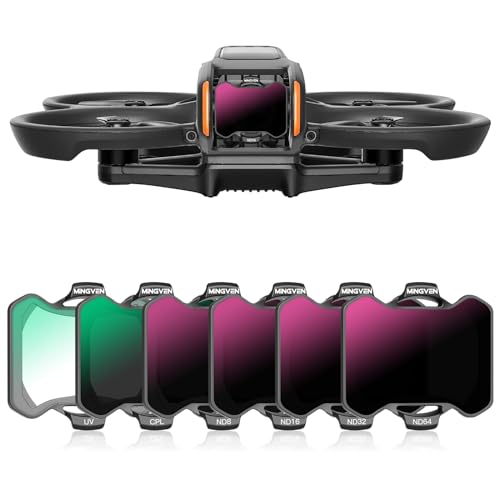
Avata 2 ND Filters Set (UV, CPL, ND8/ND16/ND32/ND64) for DJI Avata 2
MINGVEN
Budget
K&F Concept 6 Pack ND Filter Kit for DJI Mini 4 Pro
K&F CONCEPT
Budget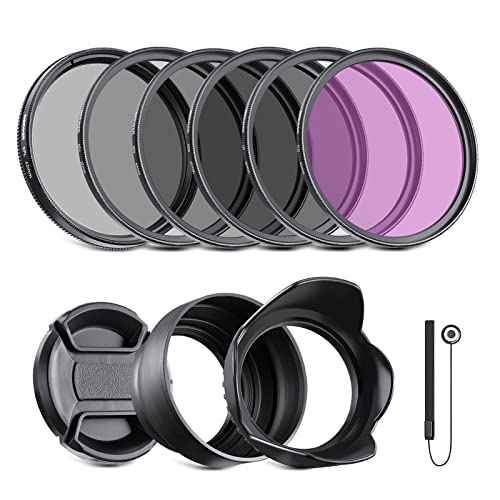
NEEWER 62mm ND Filter Kit with UV/FLD/CPL & Accessories
NEEWER
Budget
K&F CONCEPT 55mm Black Diffusion Filters Kit (1/4 & 1/8) for Cinematic Effect
K&F CONCEPT
Budget
NEEWER 55mm Lens Filter Kit with UV CPL FLD ND2 ND4 ND8
NEEWER
Budget
Lens filter set for DJI Mini series (6Pcs, multi-coated)
GLOBACT
BudgetRoundups
Frequently Asked Questions
How do I choose the right filter size and type for my lens?
Check your lens front element for the filter thread diameter (mm) printed on the barrel or lens cap, then pick filters matching that size or use a step-up/down ring. Choose filter types based on purpose: UV/protective for lens protection, circular polarizers for reducing reflections and boosting color, neutral density (ND) for lowering exposure, and graduated ND for balancing bright skies
Are filter sets worth it compared with buying single filters?
Filter sets often bundle common types (UV, CPL, ND) at a lower per-filter cost and include multiple sizes or a carrying case, making them a good value for hobbyists; professionals may prefer buying higher-grade single filters to get specific optical coatings or exact ND strengths
What materials and coatings matter when comparing filter quality?
Look for optical-grade glass (rather than resin) and multi-coatings such as anti-reflective, water- and oil-resistant coatings; good coatings reduce flare, maintain color neutrality, and make cleaning easier. Also check the filter ring: slim profiles reduce vignetting on wide-angle lenses and anodized brass/aluminum resists cross-threading
How do I care for and store camera filters to avoid damage?
Store filters in padded cases or sleeves, keep them dry, and avoid stacking unprotected glass. Clean with a blower, a soft brush, and lens-cleaning solution with microfiber cloths; avoid excessive pressure and wipe in concentric motions from center outward
Will stacking multiple filters affect image quality?
Stacking can introduce vignetting on wide-angle lenses and increase risk of reflections and loss of contrast; use slim filters for wide lenses and avoid stacking unless necessary. For variable ND or high-quality results, consider using a single multi-stop ND filter or a matte box system
How do polarizers and ND filters affect exposure and shooting technique?
A circular polarizer typically reduces light by about 1–2 stops depending on angle and can require longer shutter speeds; fixed ND filters are rated in stops (e.g., 3, 6, 10 stops) and allow slower shutter speeds for motion blur or wider apertures in bright light. Meter with the filter on or compensate exposure manually when the filter is attached
Can I use the same filters across multiple lenses and camera systems?
Yes, filters can be shared across lenses that have the same thread size or via step-up rings to adapt sizes; step-up rings allow larger filters to be used on smaller-diameter lenses without changing optical characteristics, while step-down rings may cause vignetting