Camera Lenses
Top Products

Altura Photo 58mm Fisheye Wide Angled Lens with Macro
Altura Photo
Mid-Range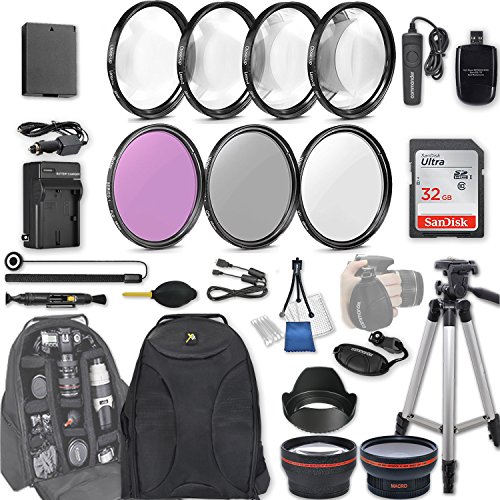
58mm 28pc Accessory Kit for Canon EOS (T7/T6/T5/T3)
33rd Street
Mid-Range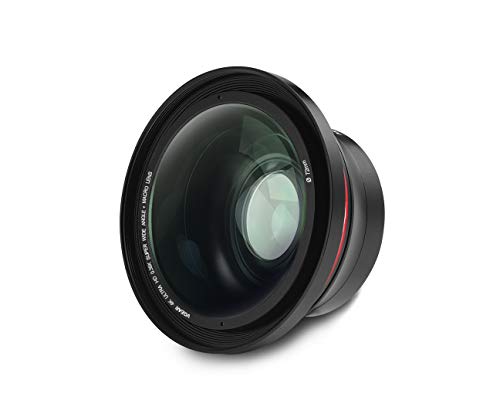
4K 0.39X Wide Angle Lens 37mm Thread VGPAWAL37
VGear
Mid-Range
Replacement Lens Kit for Insta360 X5 - DIY HD Glass Lens (Silver Ring Double Set)
Generic
Budget
2-in-1 Wide Angle & Macro Lens for Fuji X100V/X100VI
FREEWELL
Mid-Range
NEEWER Macro Lens for DJI Osmo Action 5 Pro/4 Action
NEEWER
Budget
NEEWER 0.75x Wide Angle Lens for DJI OSMO Pocket 3
NEEWER
Mid-Range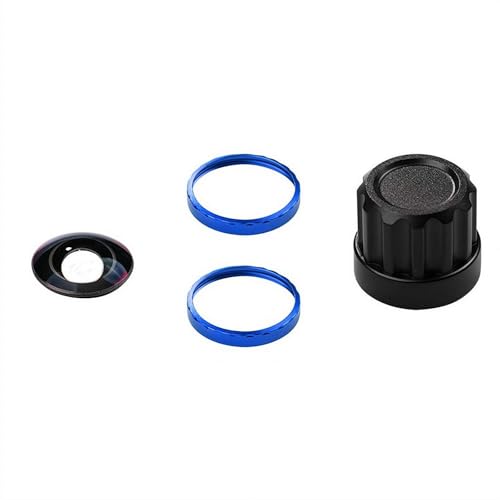
Replacement Lens Kit for Insta360 X5 - HD Glass Lens with Aluminum Tool (Blue Ring)
Generic
Budget
Meike EF/EF-S to Canon RF Mount Auto-Focus Lens Adapter with Control Ring
Meike
Mid-Range
Replacement Lens Kit for Insta360 X5 - DIY Glass Lens, Aluminum Tool, Multi-Color Rings
Generic
Budget
Wide Angle Lens for Panasonic HC-VX981K, HC-WXF991K & HC-V770K (0.5X)
Digital Nc
Mid-Range
Canon RF 100-400mm F5.6-8 IS USM lens for Canon R system
Canon
Premium
Insta360 X5 Replacement Lens Kit with Tools
Insta360
Mid-Range
Canon VIXIA HF G50 Ultra Wide Angle Conversion Lens
Digital Nc
Mid-Range
Ultra Wide Angle Conversion Lens for Sony FDR-AX43 (Low Profile) - High Grade
Hila
Mid-Range
0.43x-0.48x wide angle lens for Panasonic HC-WXF1
Digital Nc
Mid-Range
Hila 0.5x Wide Angle Conversion Lens for 62mm
Hila
Premium
Rokinon 16mm f/2.0 ED AS CS Lens for Canon EF-S
Rokinon
Premium
Fujifilm XC 50-230mm F4.5-6.7 lens
Fujifilm
Premium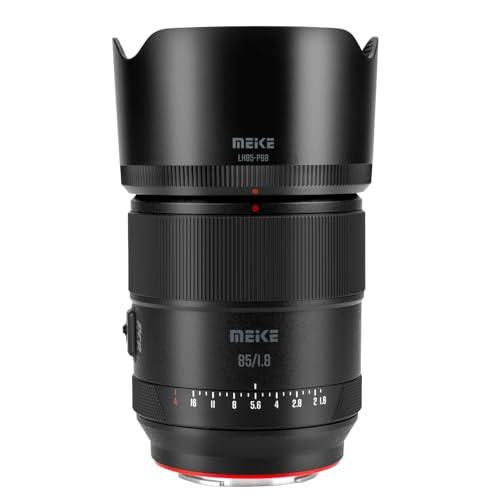
Meike 85mm f/1.8 Pro II lens for Sony E-mount
Meike
PremiumRoundups
Frequently Asked Questions
How do I choose the right lens for my camera?
Match the lens mount to your camera body, choose focal length based on subject (wide for landscapes, standard 35–50mm for general use, telephoto 85mm+ for portraits and distant subjects), and consider aperture for low-light performance and depth of field—wider apertures (lower f-numbers) let in more light and blur backgrounds more
How does aperture affect image quality and shooting conditions?
Aperture controls light and depth of field: a larger aperture (smaller f-number) yields brighter exposure and shallower depth of field, which helps in low light and portrait separation, whereas smaller apertures (larger f-numbers) increase depth of field for landscapes but require more light or slower shutter speeds
What compatibility and electronic features should I check before buying?
Verify physical mount compatibility and whether the lens supports autofocus and in-camera metering on your body; also check for image stabilization (optical or in-lens) if your camera lacks in-body stabilization, and confirm firmware update options if you need improved performance over time
Are there reliable budget options and what trade-offs do they have?
Budget lenses often cost significantly less than professional glass and can deliver good results, but common trade-offs include smaller maximum apertures, less refined coatings, slower or less accurate autofocus, and heavier plastic construction compared with higher-end lenses
How should I care for and store lenses to prolong their life?
Keep lenses capped front and rear when not in use, store them in a dry, padded case or camera bag, clean glass with a blower, microfiber cloth and lens solution as needed, and avoid exposing lens elements to extreme humidity or direct sunlight for long periods
What do lens reviews and specifications I should prioritize when comparing models?
Prioritize mount compatibility, focal length, maximum aperture, optical stabilization, autofocus type and speed, weight and size, build quality, and sample image sharpness and bokeh from trusted reviews; focus on the specs that impact your typical shooting scenarios