Cat e Ethernet Cables
Category of Cat 5/6/7 Ethernet cables and related networking patch cords and accessories for home and commercial setups, with 562 products indexed and an average rating of 4.41. Prices span budget through premium tiers (roughly $32–$569 average ~(price varies)), and sellers include PHAT SATELLITE among others
Top Products
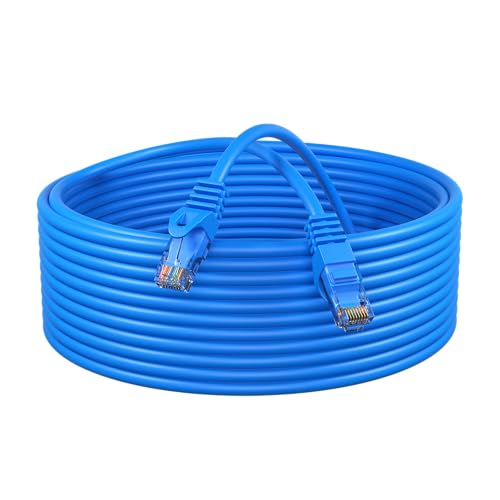
Cat5e Patch Cable 50FT Blue, 5-pack
Cables Direct Online
Budget
Cat5e Ethernet Patch Cable 75ft – blue, 5-pack
Cables Direct Online
Mid-Range
Cat5e Ethernet Patch Cable 100ft, blue (Pack of 5) - Cables Direct Online
Cables Direct Online
Mid-Range
Lowrance Ethernet crossover cable 6ft yellow
Lowrance
Budget
Cat5e Patch Cable 200ft Ethernet Network Cable, Blue
Cables Direct Online
Mid-Range
InstallerParts CAT5E Shielded Ethernet Cable 50 ft
InstallerParts
Budget
InstallerParts FTP Shielded CAT5E Ethernet Cable 50 ft, Green
InstallerParts
Budget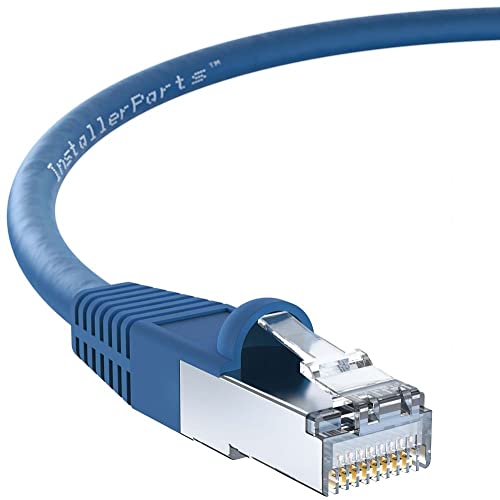
InstallerParts CAT5E Shielded FTP Ethernet Cable 50 ft, blue
InstallerParts
Budget
Cables Direct Online Cat5e Patch Cable 7ft – blue
Cables Direct Online
Budget
InstallerParts FTP Shielded Cat5e Patch Cable, 2 ft, black
InstallerParts
Budget
Cat5e shielded FTP Ethernet cable, 10-pack, 3 ft, black
InstallerParts
Budget
InstallerParts FTP Shielded CAT5E Patch Cable 3 ft (10 Pack) Gray
InstallerParts
Budget
InstallerParts CAT5E Shielded Ethernet Cable (20ft) Booted, Blue
InstallerParts
Mid-Range
InstallerParts FTP Cat5E shielded Ethernet cable 0.5 ft (white) 1 Gbps
InstallerParts
Mid-Range
InstallerParts FTP Shielded Cat5e Ethernet Cable 0.5 ft, Orange
InstallerParts
Mid-Range
InstallerParts CAT5E Shielded Ethernet Cable, FTP, 75 ft, blue
InstallerParts
Mid-Range
InstallerParts CAT5E Ethernet Cable Shielded (FTP) 75 ft, Green
InstallerParts
Mid-Range
InstallerParts Shielded CAT5E Patch Cable 5 ft (10 pack)
InstallerParts
Mid-Range
Monoprice Cat5e Ethernet Bulk Cable, 250ft, 24AWG, UTP, CMR, blue
Monoprice
Mid-Range
InstallerParts CAT5E Shielded Ethernet Cable 100 ft
InstallerParts
Mid-Range
InstallerParts CAT5E Shielded Ethernet Cable 100 ft
InstallerParts
Mid-Range
InstallerParts CAT5E Shielded Patch Cable, 100 ft, blue
InstallerParts
Mid-Range
InstallerParts CAT5E Shielded Ethernet Cable, 100 ft, yellow
InstallerParts
Mid-Range
iMBA Cat5e patch cable 50ft, blue, 10pk
iMBAPrice
Mid-RangeRoundups
Frequently Asked Questions
How do I choose the right Cat rating (Cat5e, Cat6, Cat6a, Cat7) for my needs?
Choose based on required network speed and cable length: Cat5e supports up to 1 Gbps for typical home use, Cat6 supports up to 1 Gbps and 10 Gbps for shorter runs (~55 m), Cat6a supports 10 Gbps to 100 m, and Cat7 is intended for higher shielding and 10 Gbps+ environments; pick the lowest category that meets your speed and future-proofing goals
What is the difference between shielded (STP) and unshielded (UTP) Ethernet cables?
UTP (unshielded) cables are adequate for most homes and offices with low electromagnetic interference (EMI); STP (shielded) cables include extra foil or braid to reduce EMI and are recommended in industrial settings or near large electrical equipment, but require proper grounding to be effective
Does cable length affect network performance and what lengths should I consider?
Ethernet performance can drop over very long runs; standard maximum for copper Cat5e/Cat6/Cat6a is 100 meters (328 feet) including patch cables; for longer distances consider fiber, repeaters, or network switches to maintain speed and reliability
Are there differences in connectors and compatibility I should watch for?
Most consumer Ethernet cables use RJ45 connectors and are backward compatible across Cat ratings; ensure the connector type matches your devices and that cable construction (solid for permanent runs, stranded for patch cables) suits the installation
How do I determine whether to buy stranded vs. solid core Ethernet cable?
Choose solid-core cable for fixed, in-wall or long permanent runs because it offers better transmission over distance; choose stranded cable for patch cords and frequent flexing because it is more flexible and resists breakage with movement
What should I look for regarding build quality and durability?
Check conductor material (pure copper is best), jacket type (PVC, plenum for fire-rated spaces), strain relief at connectors, and shielding if needed; reputable construction reduces signal loss and increases lifespan
How much should I expect to pay and are there budget-friendly options?
Prices vary with category, length, shielding and brand; there are budget options under $50 for common lengths and categories, while specialized or long-run cables cost more; consider balancing cost with required performance and installation needs