Cat Ethernet Cables
Category for Cat Ethernet cables and related networking leads and accessories used in home and commercial Ethernet installations. Includes products across budget through premium price tiers (average about (price varies)) with brands like InstallerParts among the top sellers. Average rating 4.57 across 509 indexed products
Top Products

DbillionDa Cat8 Ethernet Cable 40ft outdoor/indoor
DbillionDa
Mid-Range
DbillionDa Cat8 Ethernet Cable 50ft outdoor/indoor
DbillionDa
Mid-Range
DbillionDa Cat7/Cat8 Ethernet Cable 60ft, outdoor/indoor, weatherproof
DbillionDa
Mid-Range
Cat8 Ethernet Cable 35ft weatherproof outdoor/indoor
DbillionDa
Budget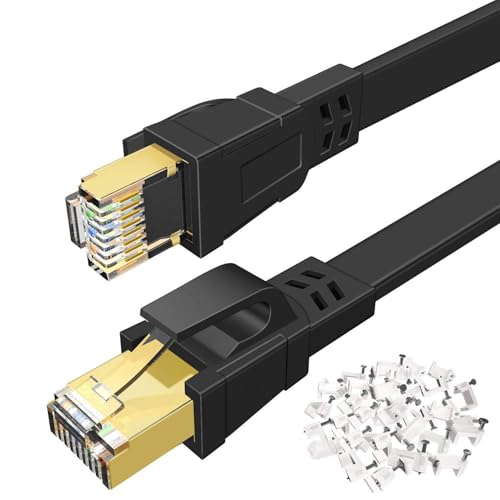
DEEGO Cat 8 Ethernet Cable 150FT – Shielded U/FTP, 40Gbps
DEEGO
Budget
Cat8 Ethernet Cable 50ft, shielded, gold RJ45, 26AWG, weatherproof
Smolink
Budget
DbillionDa Ethernet Cable 100 ft Cat8/7, STP, RJ45, 40 Gbps
DbillionDa
Mid-Range
Snowkids 75 ft Cat 8 Ethernet Cable
Snowkids
Mid-Range
Cat 8 Ethernet Cable 100 ft Snowkids
Snowkids
Mid-Range
Snowkids Cat 8 Ethernet Cable 80 ft, flat 40Gbps, 2000MHz, braided
Snowkids
Mid-Range
Cat8 Ethernet Cable 100ft, Indoor/Outdoor, 26AWG, Shielded
Smolink
Mid-Range
DbillionDa Cat8 Ethernet Cable 65FT outdoor&indoor 40Gbps 2000MHz
DbillionDa
Mid-Range
Cat8 Shielded Ethernet Cable 75ft, 40Gbps, Gold RJ45
Smolink
Mid-Range
Cat 8 Ethernet Cable 150 ft, Shielded, 40Gbps, 2000MHz, flat
BUSOHE
Mid-Range
DbillionDa Cat8 Ethernet Cable 150 ft outdoor/indoor
DbillionDa
Mid-Range
Cat 7 Ethernet Cable 150ft Nylon Braided Flat Ethernet Cable
MORELECS
Mid-Range
Snowkids Cat 8 Ethernet Cable 65 ft
Snowkids
Budget
Snowkids Cat 8 Ethernet Cable 60 ft, flat braided 40Gbps
Snowkids
Budget
BUSOHE Cat 8 Ethernet Cable 200 ft 40Gbps 2000MHz
BUSOHE
Mid-Range
CAT8 Ethernet Cable 100ft flat SFTP, 40Gbps, 2000MHz, gold RJ45
Yauhody
Mid-Range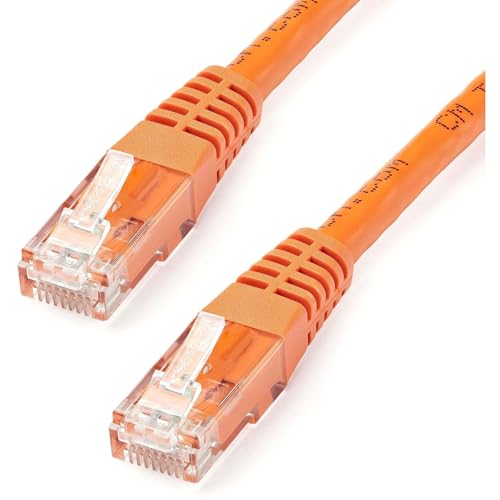
StarTech 100ft CAT6 Ethernet Patch Cable, orange
StarTech
Mid-Range
StarTech CAT6 Ethernet Cable 1 ft Patch Cord 10 Pack Blue
StarTech
Budget
Cat8 Ethernet Cable 82ft with 60 clips & 2 straps
QIFGUO
Budget
CAT8 Ethernet Cable 100FT/30m S/FTP 40Gbps 2000MHz with Gold RJ45
Yauhody
Mid-RangeRoundups
Frequently Asked Questions
How do I choose the right Cat Ethernet cable category (Cat5e, Cat6, Cat6a, Cat7, Cat8)?
Choose based on required network speed, distance, and interference environment: Cat5e supports up to 1 Gbps for typical home use; Cat6 and Cat6a support 1–10 Gbps with better performance and longer 10 Gbps reach for Cat6a; Cat7 and Cat8 provide higher bandwidth and shielding for data centers or very high-speed short runs. Match cable category to your router/NIC capabilities and future-proofing needs
What connector type and cable length should I get?
Most consumer networks use RJ45 connectors and solid or stranded conductors; choose stranded for frequent flexing and patch cables, solid for permanent wall runs. Measure the run including slack; avoid excess coiling that can degrade signal—order the next standard length up if you need slack for routing
Does shielding (STP/FTP) matter for home or office installations?
Shielding helps reduce electromagnetic interference in environments with many electrical cables or noisy equipment; unshielded twisted pair (UTP) is typically sufficient for most homes. If using shielded cables, ensure both ends and connected hardware support grounding to get the benefit
How much should I expect to pay for Cat Ethernet cables and what affects price?
Prices vary by category, length, shielding, and build quality; budget options commonly fall under $50 for shorter runs, while higher-category, long, or heavy-shielded cables can cost more. Brand, packaging (bulk vs. retail), and additional features like snagless boots or gold-plated contacts also influence cost
Are flat or round Ethernet cables better?
Round cables are more common for in-wall or conduit runs because they better preserve twist integrity and shielding; flat cables can be useful for tight spaces, under carpets, or for cosmetic surface routing but may have reduced performance at longer lengths. Choose based on installation constraints and required performance
How do I test and maintain Ethernet cables after installation?
Use a network cable tester to verify continuity, pair wiring, and performance; check link speed on connected devices to confirm expected throughput. Avoid sharp bends, kinks, and excessive tension, keep connectors clean and dry, and replace damaged cables to maintain reliable performance
Can I mix different cable categories in my network?
Yes, you can mix categories; the network link will operate at the lowest common category and device capability on that segment. For best performance, use consistent higher-category cabling for backbone runs and upgrade endpoints to take full advantage of higher speeds