Ceiling & In-Wall Speakers
Ceiling and in-wall speakers for home audio and built-in installations, including passive and powered models for background music, home theater, and multiroom setups. The category spans budget to premium options (average price about (price varies)) across 98 indexed products and brands like Klipsch and Pyle. Average rating: 4.43
Top Products

Micca M-6C in-ceiling speaker, 7.6" round 6.5" woofer & 1" tweeter
Micca
Mid-Range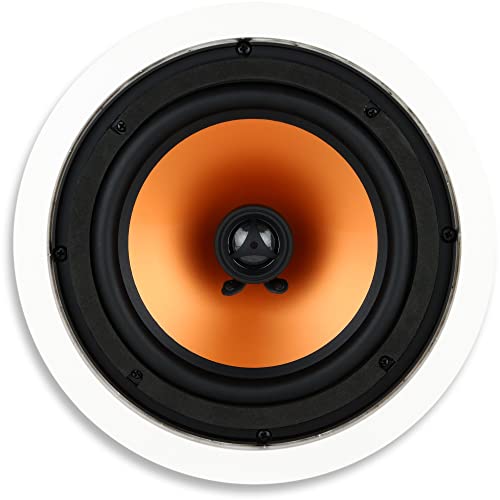
Micca M-8C in-ceiling speaker, 8" woofer, 1" tweeter
Micca
Mid-Range
Micca M-6S in-wall speaker, 2-way, white, 6.5" woofer + 1" tweeter
Micca
Mid-Range
Micca M-CS Dual 5.25in In-Wall Center Channel Speaker
Micca
Mid-Range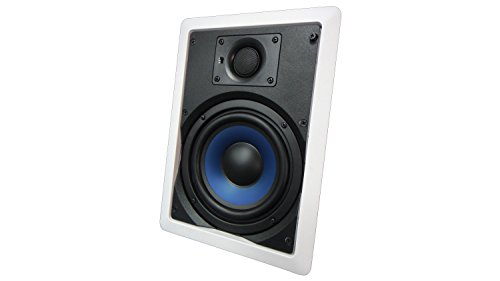
652W in-wall speaker with pivoting tweeter (6.5 inch) by Silver Ticket
Silver Ticket Products
Mid-Range
Pyle 6.5 in-wall/in-ceiling 2-way speaker system (PDIC1661RD) white
Pyle
Mid-Range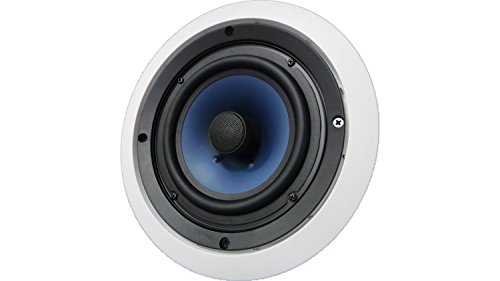
652C in-ceiling speaker with pivoting tweeter
Silver Ticket Products
Mid-Range
82W in-wall speaker with pivoting tweeter (8 inch) - Silver Ticket
Silver Ticket Products
Mid-Range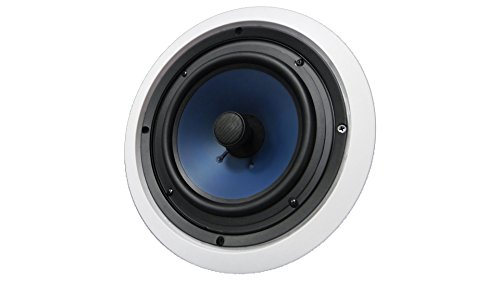
55mm 8 in-ceiling speaker with pivoting tweeter
Silver Ticket Products
Mid-Range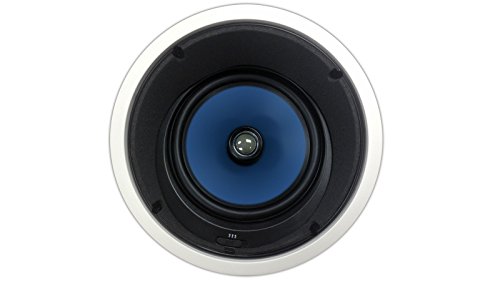
82AC Silver Ticket in-Ceiling Speaker with Pivoting Tweeter & Angled Woofer
Silver Ticket Products
Mid-Range
BST-1 Tactile Bass Shaker, 50W RMS, 4Ω
Dayton Audio
Mid-Range
Pyle 6.5'' In-Wall/In-Ceiling Midbass Speakers (Pair) PDIC60
Pyle
Mid-Range
Herdio 4in Waterproof Marine Ceiling Speakers (1 pair) White
Herdio
Mid-Range
Pyle in-wall/in-ceiling 2-way home speaker system (PDIC1651RD) White
Pyle
Mid-Range
Rockville RockSlim Pair Black 5.25" 8Ω Slim Wall-Mount Speakers
Rockville
Mid-Range
Pyle 6.5" in-ceiling/wall speaker 4-pack 200W max
Pyle
Mid-Range
Micca Reference Series R-8C in-ceiling speaker, 8" woofer, 1" tweeter
Micca
Mid-Range
Pyle 6.5 Ceiling/Wall Mount Speakers (Pair) 2-Way
Pyle
Mid-Range
Monoprice Aramid Fiber In-Wall Center Speaker (Dual 5.25")
Monoprice
Mid-Range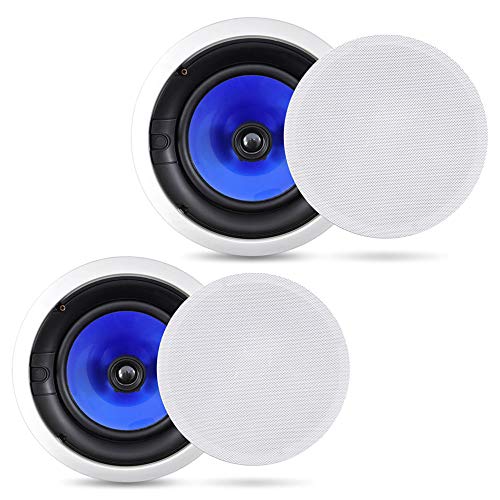
Pyle 2-way In-Wall/Incieling Speaker System (Dual 8")
Pyle
Mid-Range
Pyle 6.5 inch in-wall ceiling speakers 4-pair system
Pyle
Mid-Range
Pyle 6.5-inch 200W In-Ceiling/Wall Speaker System (6 Pack)
Pyle
Mid-Range
Klipsch R-1650-C In-Ceiling Speaker, White
Klipsch
Mid-Range
JBL CSS8018 8 in Ceiling Speaker, White
JBL
Mid-RangeRoundups
- Best Ceiling & In-Wall Speakers for Home Theater Setup (2026)
- Best Ceiling & In-Wall Speakers for Multi-Room Audio Installations (2026)
- Best Ceiling & In-Wall Speakers for Whole-House Audio (2026)
- Best Ceiling & In-Wall Speakers Under $200 (2026)
- Best Ceiling & In-Wall Speakers Under $100 (2026)
- Best Ceiling & In-Wall Speakers Under $50 (2026)
- Best Ceiling & In-Wall Speakers (2026 Guide)
Frequently Asked Questions
How do I choose between ceiling and in-wall speakers for my room?
Choose based on placement needs and listening goals: ceiling speakers are ideal for overhead or multi-room audio and immersive formats, while in-wall speakers provide room-level stereo or home theater front/side channels; consider room size, furniture layout, and whether you need directional sound or discreet installation
What factors determine sound quality in ceiling and in-wall speakers?
Key factors are driver size and material, crossover design, power handling (RMS), sensitivity (dB/W/m), and enclosure/baffle integration; higher sensitivity and appropriate power handling yield louder, cleaner sound for a given amplifier, and using speakers matched to room acoustics improves clarity
What impedance and power ratings should I match with my amplifier or AV receiver?
Match nominal speaker impedance (commonly 4 or 8 ohms) to your amplifier’s supported load and choose speakers whose RMS power handling fits within the amplifier’s continuous power per channel; avoid driving speakers with substantially less or more power than the amp’s rating to prevent distortion or damage
What are typical price ranges and what can I expect at each level?
Budget models often start under $50 per speaker and cover basic music/background audio; mid-range units (roughly $50–$200) offer better drivers, crossovers, and build quality for clearer sound; higher-end in-ceiling/in-wall speakers typically exceed (price varies) and emphasize improved frequency response, imaging, and durability
Do I need a back box or enclosure for in-wall/ceiling speakers?
Back boxes or sealed enclosures can improve bass response and protect wall cavities from dust and insulation; they are recommended when the speaker will be installed in an open cavity, near insulation, or when you want more consistent low-frequency performance
How difficult is installation and what wiring should I plan for?
Installation ranges from moderate to challenging depending on access to wall/ceiling cavities; plan speaker-grade stranded copper wire (14–16 AWG for typical runs), route cable before drywall, use electrical-safe cutouts, and seal/label connections; consider professional installation for retrofit in finished walls or ceilings
How do I maintain and troubleshoot in-wall or ceiling speakers?
Maintain by keeping grilles dust-free and avoiding moisture exposure; troubleshoot with source and amp checks, swap known-good speakers or cables to isolate issues, verify impedance and wiring continuity with a multimeter, and inspect for loose connections or damaged drivers