Combo Guitar Amplifiers
Combo guitar amplifiers: self-contained amp heads with built-in speakers for electric and acoustic guitars, ranging from practice models to higher-wattage gig-ready units. This electronics & gadgets selection includes 83 products, averages a 4.43 rating, spans about $35–$1,190 (avg $178), and features brands like Fender and BOSS
Top Products

Fender Frontman 20G Guitar Amp, 20W, 6" speaker, red
Fender
Mid-Range
Fender Frontman 10G Electric Guitar Amplifier
Fender
Mid-Range
FBA-10 10W guitar amp, portable analog practice amp (white)
flatsons
Mid-Range
LyxPro 20-Watt Electric Guitar Amplifier
LyxPro
Mid-Range
Rockville 10W guitar amp with Bluetooth, 6" speaker
Rockville
Mid-Range
Fender Frontman 10G Guitar Combo Amplifier (Midnight Blue) Bundle
Fender
Mid-Range
FBA-10 10W Mini Guitar Amplifier with USB-C Rechargeable
flatsons
Mid-Range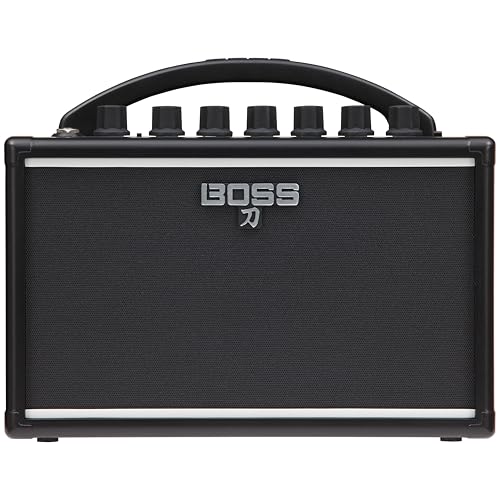
Boss Katana Mini 7-Watt Combo Amp
BOSS
Mid-Range
Rockville 20W guitar amplifier combo with Bluetooth
Rockville
Mid-Range
Fender Frontman 20G Guitar Combo Amplifier
Fender
Mid-Range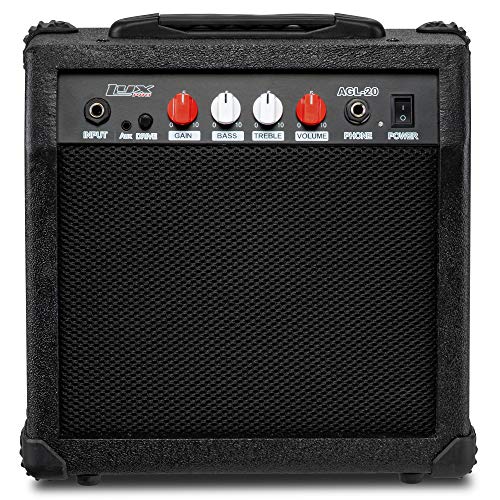
LyxPro 20-Watt Guitar Amp with Built-In Speaker, Headphone Jack & Aux Input
LyxPro
Mid-Range
LyxPro 20-Watt Electric Guitar Amp with Built-in Speaker
LyxPro
Mid-Range
LyxPro 20-Watt Electric Guitar Amplifier, built-in speaker, headphone jack
LyxPro
Mid-Range
LyxPro 20-Watt Electric Guitar Amplifier with Built-In Speaker
LyxPro
Mid-Range
Blackstar FLY3BLUE Electric Guitar Mini Bluetooth Amplifier
Blackstar
Mid-Range
Orange Crush 20W 2-Channel Guitar Amplifier Combo - Black
Orange
Premium
Fender Mini Tonemaster 1W Practicing Amp, Blonde
Fender
Mid-Range
Marshall MS-2C Micro Guitar Amplifier
Marshall
Mid-Range
LyxPro 20-Watt Electric Guitar Amplifier with Built-In Speaker
LyxPro
Mid-Range
Monoprice 1x8 Guitar Combo Amp, 20W, 8" speaker
Monoprice
Mid-Range
Blackstar Fly 3 3W 1x3in Mini Guitar Amp
Blackstar
Premium
Orange Crush Mini Guitar Amplifier 3W
Orange
Mid-Range
Orange Crush Mini Guitar Amplifier Combo 3W
Orange
Mid-Range
Danelectro N10B Honey Tone Mini Amp in Burgundy
Danelectro
Mid-RangeRoundups
Frequently Asked Questions
How do I choose the right wattage for a combo guitar amplifier?
Choose wattage based on intended use: 5–20 watts for practice and home use, 20–50 watts for rehearsals and small venues, and 50+ watts for larger stages or when you need more clean headroom; remember tube amps often sound louder and break up earlier than solid-state amps at the same wattage
What features should I look for in a combo amp for versatile sounds?
Look for multiple channels (clean and overdrive), onboard effects (reverb, delay, modulation), EQ controls or an active tone stack, and an effects loop if you plan to use external pedals; built-in DI or direct output is useful for recording and live sound
Are tube, solid-state, or modeling combo amps better for my budget?
Tube amps generally cost more and are prized for warm, dynamic response; solid-state amps are more affordable and reliable; modeling amps provide many amp and effect simulations at a range of price points—choose based on desired tone, maintenance willingness, and budget
What speaker size matters and how does it affect tone?
Common sizes are 8", 10", and 12"; larger speakers (12") typically deliver more low-end and fuller tone, while smaller speakers emphasize midrange and may be tighter and more portable; combo amps often combine speaker size with cabinet design to shape overall sound
How should I maintain and care for a combo guitar amplifier?
Keep the amp dry and ventilated, avoid pushing tubes or speakers into destructive clipping, clean jacks and controls periodically, and for tube amps follow recommended tube replacement and biasing schedules; have professional service for internal repairs or safety issues
Can I use pedals with combo amps and what should I know about placement?
Yes—use pedals in front of the amp for gain and modulation effects; place time-based and ambient effects either in the amp's effects loop (if present) or after the amp for clearer repeats and delays; check the amp’s input and loop levels (instrument vs. line) for compatibility
What should I consider about portability and build quality when buying a combo amp?
Consider weight, dimensions, handle durability, and cabinet construction (plywood vs. particleboard) for roadworthiness; heavier, better-built cabinets and protective corners increase longevity but reduce portability—match the amp’s build to how often you transport it