Computer Memory Card Readers
This category covers computer memory card readers and related accessories for transferring and accessing SD, microSD, CF and specialty cards across PCs and cameras. Listings span budget through premium options (96 products indexed, average rating 4.48) and include brands like Rocketek and Lexar
Top Products

Lexar CFexpress Type B USB 3.2 reader LRW550U-RNBNU
Lexar
Mid-Range
CFexpress/SD dual-slot card reader, USB 3.2 Gen 2
Unitek
Mid-Range
8-in-1 XQD Card Reader with USB-C, USB 3.0
Rocketek
Budget
Lexar USB-C CFexpress/SD card reader (LRW520U-RNBNG)
Lexar
Mid-Range
Lexar USB 3.2 CFexpress/SD Card Reader (LRW530U-RNBNG)
Lexar
Mid-Range
CFexpress Card Reader with Dual Slot USB 3.2 Gen 2
Rocketek
Mid-Range
Unitek 4-in-1 CFexpress Type B Card Reader
Unitek
Mid-Range
CFexpress Type A/SD Card Reader with USB-C & USB-C/USB-A Cable
Rocketek
Mid-Range
Unitek CFexpress Type A/SD Card Reader, USB 3.2 Gen 2
Unitek
Mid-Range
Lexar Play PRO microSD Express Card Reader
Lexar
Mid-Range
CreateMate High-Speed 2-in-1 SD Card Reader & Holder (USB-C 3.1) for Cameras
PGYTECH
Mid-Range
PGYTECH CreateMate USB-C SD/TF Card Reader & Case
PGYTECH
Mid-Range
Multifunctional 10 in 1 USB-C Hub with SD/TF Card Reader
BUDI
Budget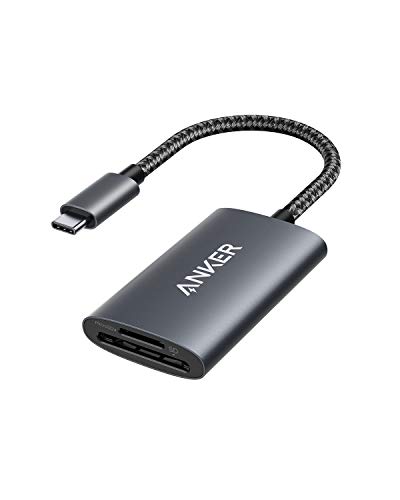
Anker USB-C SD 4.0 Card Reader (2-in-1) for SD/microSD
Anker
Budget
Samsung PRO Plus 512GB SDXC Memory Card + Reader
Samsung
Mid-Range
SanDisk CFexpress Card Reader SDDR-F451-GNGNN
SanDisk
Mid-Range
Lexar CFexpress 4.0 Type B Card Reader with USB-C
Lexar
Mid-Range
8-in-1 CFexpress Card Reader Hub with 2 USB 10Gbps
Yeemie Pro
Mid-Range
PGYTECH CreateMate USB 3.2 CFexpress Card Reader
PGYTECH
Mid-Range
PGYTECH CFexpress B Card Reader Case
PGYTECH
Mid-Range
PGYTECH CreateMate USB 3.2 CFexpress A/B Card Reader 10Gbps
PGYTECH
Mid-Range
CFexpress Type A USB 3.1 Gen2 Card Reader
Rytaki
Mid-Range
Dual-Slot CFexpress Type B and SD Card Reader
Rocketek
Mid-Range
8 in 1 CFexpress Card Reader with USB 3.2 Gen2 Hub
Bawanfa Pro
Mid-RangeRoundups
Frequently Asked Questions
How do I choose the right memory card reader for my device?
Check which card formats you use (SD, microSD, CF, microSDXC, UHS-II, etc.), the host interface on your computer (USB-A, USB-C, Thunderbolt), and required transfer speeds; choose a reader that explicitly supports your card types and a matching high-speed interface if you need fast transfers
What transfer speeds should I expect and what affects them?
Transfer speed depends on the card's rated speed class, the reader's supported standard (USB 2.0, USB 3.0/3.1/3.2, or Thunderbolt), and the host device’s port; using a UHS-II/III or V90 card in a matching UHS-II-capable reader and a USB 3.x or Thunderbolt port yields the highest real-world speeds
Are multi-slot readers worth it or should I get a single-slot reader?
Multi-slot readers are beneficial if you frequently transfer between different card formats or batch-transfer multiple cards at once; single-slot readers are smaller and cheaper if you only need one card type and occasional transfers
Do card readers require drivers or special software?
Most modern USB and Thunderbolt card readers are plug-and-play with current macOS, Windows, and Linux systems; check the product notes for any required drivers if you use older operating systems or proprietary connection types
How can I ensure data safety when using a memory card reader?
Use safe-eject/unmount procedures before removing cards, avoid interrupting transfers, keep backups of important files, and choose readers with stable connectors to reduce risk of disconnection during writes
What should I consider about build quality and portability?
Look for readers with solid connectors, a durable housing (metal or reinforced plastic), low heat generation for long transfers, and cable length/type that fits your workflow; compact, bus-powered models are most portable
How much should I expect to pay for a reliable card reader?
Prices vary by features and interface: budget readers for basic SD/microSD support are commonly under $50, while multi-format, high-speed USB-C or Thunderbolt readers typically fall in higher price tiers, with many products clustered around midrange pricing