Computer Networking Device Servers
This category covers computer networking device servers such as console servers, device servers, and serial-to-Ethernet adapters used to connect and manage networked equipment. Listings span budget through premium options (average price ~(price varies)) with brands like Lantronix represented among 11 indexed products and an average rating of 4.66
Top Products

Lantronix Uds-10 Device Server with DB25 and RJ45
Lantronix
Mid-Range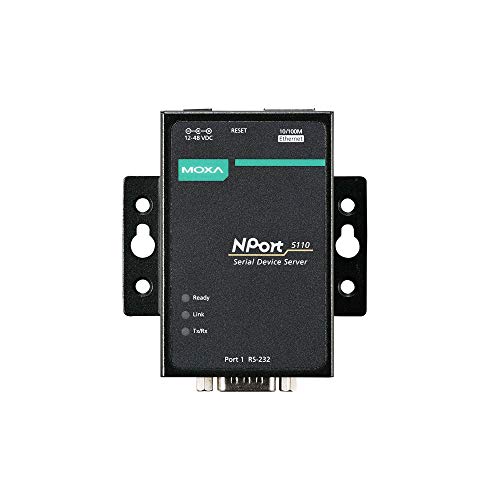
NPort 5110 1-Port Serial Device Server, 10/100 Ethernet, RS232
Moxa
Mid-Range
Lantronix xDirect Serial-to-Ethernet Device Server XDT2321002-01-S
Lantronix
Mid-Range
Lantronix 1-port Secure Serial to IP Device Server
Lantronix
Mid-Range
UDS1100 One-Port Serial to IP Device Server
Lantronix
Mid-Range
StarTech 1-Port Serial to IP Adapter for RS232 devices
StarTech
Premium
MOXA NPort 5210 2-Port Device Server, 10/100 Ethernet, RS-232
Moxa
Premium
Lantronix 2 Port Serial to IP Device Server
Lantronix
Premium
Industrial Serial to Ethernet Converter RS422/RS485 to TCP/UDP
SOLLAE SYSTEMS
Mid-Range
MOXA NPort 5410 4-Port RS-232 Serial Device Server
Moxa
Premium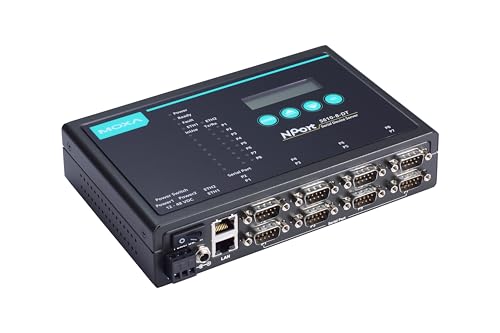
MOXA NPort 5610-8-DT: 8-Port RS-232 Serial Device Server
Moxa
PremiumRoundups
Frequently Asked Questions
How do I choose the right device server for my application?
Match the device server's interface types (serial, USB, GPIO, or Ethernet) and supported protocols to the devices you need to network, confirm required data throughput and latency, check OS and SDK compatibility for your host systems, and verify environmental ratings (DIN-rail, ruggedized) if used in industrial settings
What network protocols and management features should I look for?
Look for support of standard protocols such as TCP/IP, UDP, HTTP/HTTPS, SNMP, and telnet/SSH for management; consider serial-to-IP tunneling, Modbus or MQTT if needed for industrial integration, and features like DHCP/static IP, VLAN, and web-based or API management for remote configuration
What performance specs matter for device servers?
Key specs include maximum simultaneous connections/ports, serial baud rate limits, Ethernet speed (10/100/1000 Mbps), CPU/memory if running apps, and latency/throughput figures for your expected data load to ensure reliable real-time or high-volume communication
Are there compatibility or driver concerns I should check before buying?
Verify that the vendor provides drivers, SDKs, or virtual COM port software for your operating systems (Windows, Linux, macOS) and that the device server supports the serial settings, parity, flow control, and API formats your equipment and applications require
What security features are important for networked device servers?
Prioritize devices offering secure management (SSH, HTTPS), user authentication, access control lists, firmware signing/upgrade mechanisms, and support for network segmentation (VLANs) or VPNs to reduce exposure of connected devices
How should I plan for deployment and maintenance costs?
Consider upfront hardware cost ranges (small device servers through more capable industrial units), potential licensing for management software, expected firmware/patch support, and whether you need extended warranties or support contracts for mission-critical installations
What environmental or form-factor options are available for different use cases?
Device servers come in compact desktop units for labs/offices, DIN-rail or chassis-mount rugged models for industrial panels, and temperature-rated variants for extreme environments—choose based on mounting, power input (PoE or DC), and operating temperature requirements