Computer Networking Transceivers
SFP, QSFP and optical/electrical transceivers for fiber and copper networking links, including modules, DACs and breakout cables used in switches, routers and servers. The category covers about 330 products with average rating 4.68 and prices ranging roughly $32–$4,420, from brands like QSFPTEK
Top Products

10Gtek 10GBase-T SFP+ to RJ-45 Transceiver
10Gtek
Mid-Range
Ubiquiti U Fiber Multi-Mode SFP UF-RJ45-1G
Ubiquiti Networks
Mid-Range
4Pack 10GBase-LR SFP+ Transceiver
QINIYEK
Budget
2Pcs 10G SFP+ SR Transceivers, MMF 850nm, LC, 300m
VFLTOOL
Budget
SFP+ to RJ-45 10GBase-T module for copper Ethernet
10Gtek
Mid-Range
4 Pack 1.25G 850nm SFP MMF Fiber Transceiver
GESD
Mid-Range
QSFPTEK 10GBASE-SR SFP+ Transceiver LC 850nm 300m
QSFPTEK
Budget
QSFPTEK 10GBASE-LR SFP+ Transceiver (1310nm, 10km), LC
QSFPTEK
Budget
4Pack 10GBase-LR SFP+ Transceiver with DDM, 1310nm, 10km
6COM
Mid-Range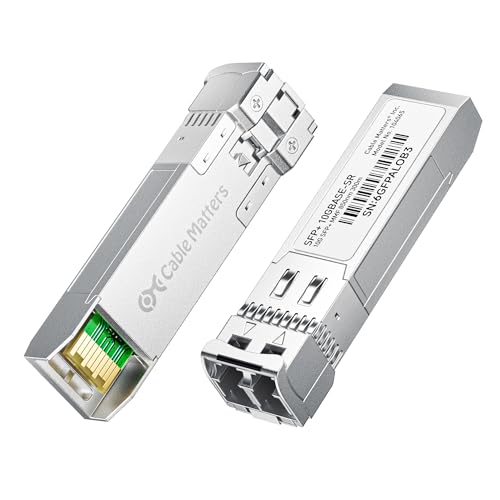
Cable Matters 10GBASE-SR SFP+ to LC Transceiver (2-pack)
Cable Matters
Mid-Range
10G SFP LR Transceiver for Fortinet FN-Tran-SFP-LR, 10km
fiber mall
Mid-Range
FiberMall SFP 10G SR Transceiver for Fortinet Fn-Tran-SFP+SR
fiber mall
Mid-Range
2-Pack Gigabit SFP Transceiver (1000BASE-SX) LC MM Module
6COM
Budget
Generic 1000BASE-T SFP Transceiver with RJ45
QSFPTEK
Mid-Range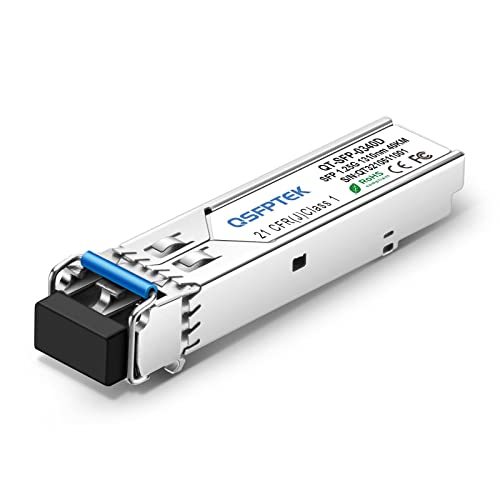
Gigabit SFP Module 1000Base-EX LC 1310nm 40km Mini-GBIC
QSFPTEK
Mid-Range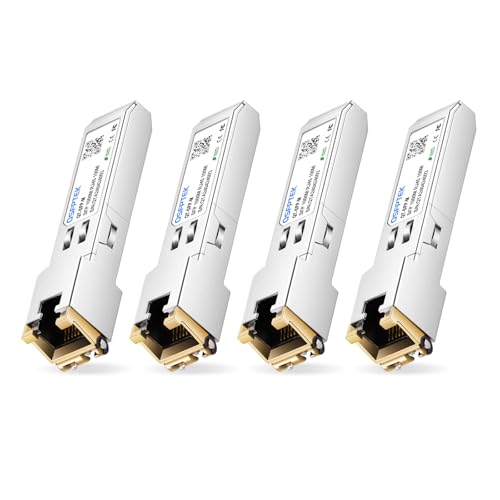
4Pack 1000BASE-T SFP Transceiver with RJ-45 Copper
QSFPTEK
Mid-Range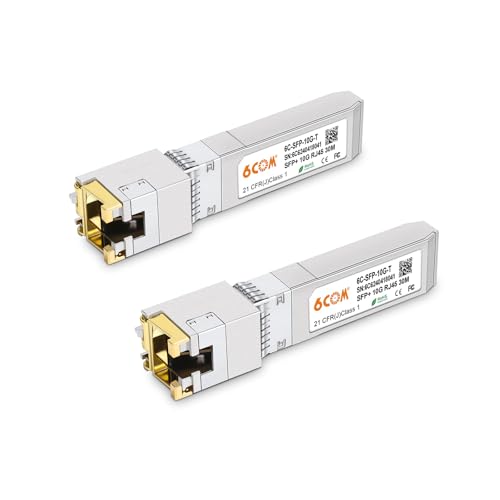
2Pack 10GBase-T SFP+ Transceiver (RJ-45 copper) for Cisco/UniFi/Netgear
6COM
Mid-Range
SFP 10G LR Transceiver for HPE ProCurve and Aruba (1310nm, 10km, LC)
fiber mall
Budget
QSFPTEK 10G SFP+ to RJ45 Transceiver
QSFPTEK
Budget
10G SFP+ to RJ45 transceiver (10GBASE-T) - up to 30m
QSFPTEK
Budget
QSFPTEK 10G SFP to RJ45 Copper Transceiver
QSFPTEK
Budget
QSFPTEK 10GBase-T SFP+ to RJ45 Copper module
QSFPTEK
Budget
10Gb SFP+ Copper RJ-45 Transceiver (10GBASE-T) QSFPTEK
QSFPTEK
Budget
fiber mall 10G SR SFP+ transceiver for PAN-SFP-PLUS-SR 850nm 300m
fiber mall
Mid-RangeRoundups
Frequently Asked Questions
How do I choose the right transceiver form factor for my networking equipment?
Match the transceiver form factor (SFP, SFP+, QSFP, QSFP28, etc.) to the module ports on your switch, router, or NIC; consult your device’s datasheet for supported module types and check optical/electrical interface compatibility (e.g., 10G SFP+ vs 40G QSFP)
What optical specifications should I check to ensure compatibility with my fiber link?
Verify wavelength (850 nm, 1310 nm, 1550 nm), connector type (LC, MPO), fiber type (multimode MMF or singlemode SMF), and link budget/maximum reach (meters or kilometers) to match the transceiver to your fiber cabling and distance requirements
Are third‑party transceivers safe to use with enterprise network gear?
Many third‑party transceivers follow industry standards and work fine, but confirm compatibility by checking supported optics lists from your hardware vendor, ensure they implement required Digital Diagnostics Monitoring (DDM/DOM) if needed, and consider warranty or support policies when mixing vendors
How do data rate and wavelength affect price and selection?
Higher data rates (25G, 40G, 100G, 400G) and singlemode long‑reach optics typically cost more than lower rates and multimode short‑reach modules; wavelength and advanced features like DWDM, tunability, or coherent optics also increase complexity and price
What maintenance or handling practices prolong transceiver lifespan?
Keep dust caps on when not in use, avoid bending fiber beyond specified radius, store modules in anti‑static packaging, power down or hot‑swap according to vendor guidelines, and periodically clean optical connectors with appropriate tools
How do I determine whether to buy new or refurbished transceivers?
Refurbished units can lower cost for nonmission‑critical deployments; choose reputable sellers who test and grade modules, provide return policies, and disclose firmware/hardware condition and any compatibility testing performed
What diagnostic features should I look for in a transceiver?
Look for Digital Diagnostics Monitoring (DDM/DOM) to read real‑time parameters like optical transmit/receive power, temperature, voltage, and bias current, which help with troubleshooting and verifying link health