Computer Servers
This category covers rack, tower, and blade computer servers and related hardware for small business to enterprise use, spanning budget through premium options. It aggregates 43 indexed products with an average rating of 4.80 and prices ranging roughly $45–$6,330. Top brands include HP and Dell among others
Top Products

Dell EqualLogic 600GB 15K SAS 3.5in refurbished drive
EqualLogic
Mid-Range
Compaq 733662-B21 server board
Compaq
Mid-Range
HP DL380P G8 SFF Server Rails (Renewed)
hp
Mid-Range
Bezel for Dell PowerEdge R710 Server (Renewed)
Dell
Mid-Range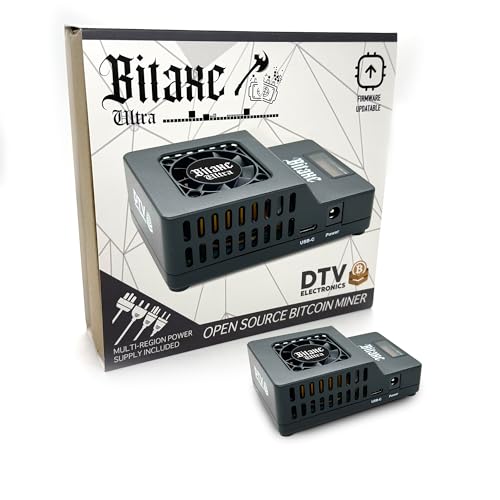
Bitaxe Ultra Open-Source Bitcoin ASIC Miner
DTV ELECTRONICS
Mid-Range
HP DL380 G9 24-Core 256GB RAM 1.92TB Server (Renewed)
HP
Premium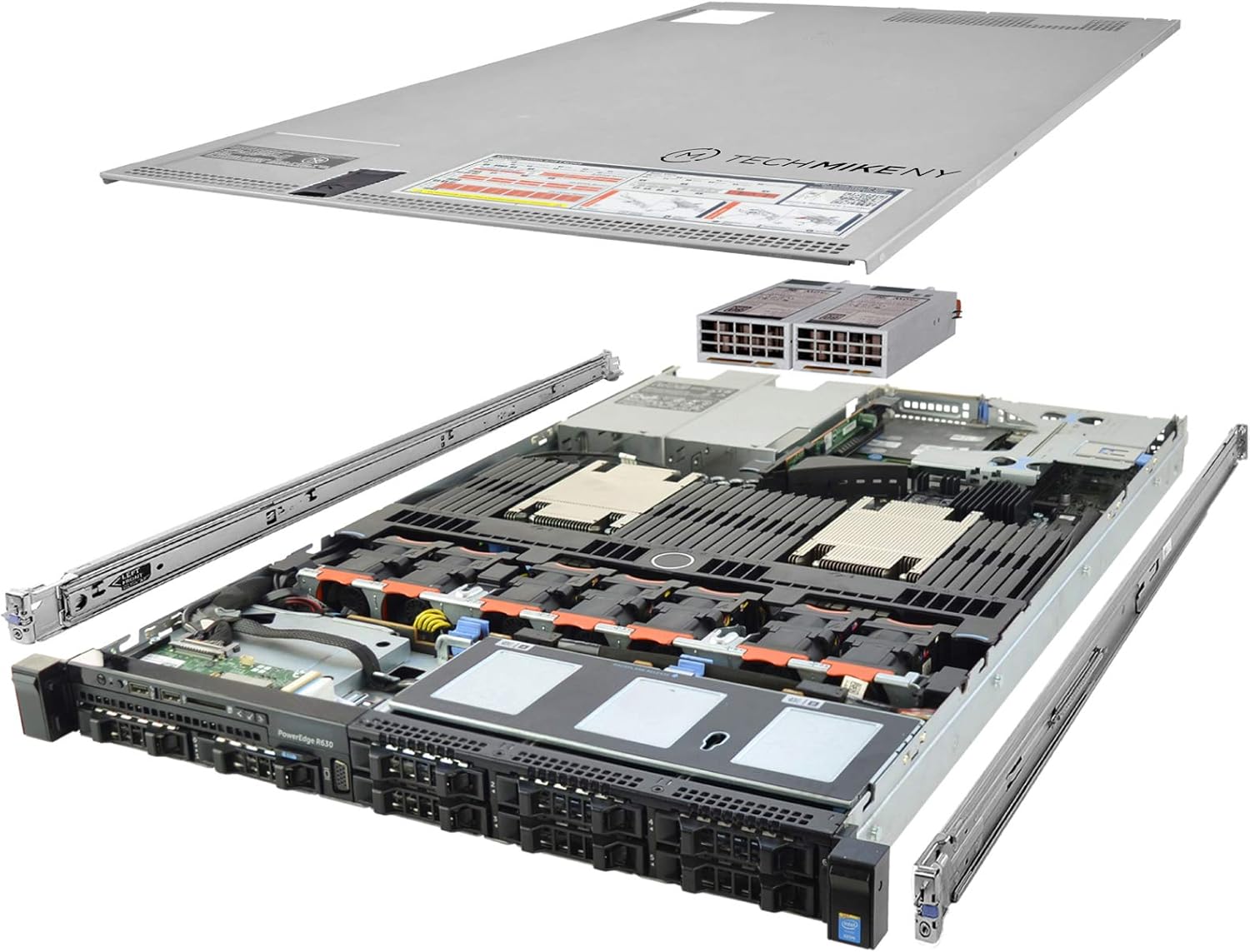
TechMikeNY 2X E5-2697v3 28-core Server, 128GB RAM, 8 Caddies, R630 (Renewed)
TechMikeNY
Premium
HP Proliant DL380 G8 12-Bay Server (Renewed)
HP
Premium
PowerEdge R630 Server with 28 cores, 128GB RAM, 2x1TB SSD
PowerEdge
Premium
Dell PowerEdge R630 Server 2X E5-2640v3 2.60Ghz 64GB RAM
Dell Computers
Premium
Enterprise ProLiant DL380 Gen10 Server, 2X Xeon 4114, 128GB RAM (Renewed)
Serversuperstore
Premium
HP DL380 G10 32-core, 256GB RAM, 8TB 8-Bay SFF Server (Renewed)
HP
Premium
PowerEdge Dell R640 Server 2x Gold 6126 24 cores 128GB RAM 4x 1.2TB SAS
PowerEdge
Premium
RAISING ELECTRONICS 1U Rack Mount Sliding Keyboard Tray
RAISING ELECTRONICS
Mid-Range
Dell PowerEdge R730XD server with 2x E5-2650v3, 384GB, 30TB storage
PowerEdge
Premium
Rosewill THOR NAS Pro Full-Tower Case
Rosewill
Premium
HP High-End Virtualization Server 36-Core 384GB RAM 48TB DL380 G9 (Renewed)
HP
Premium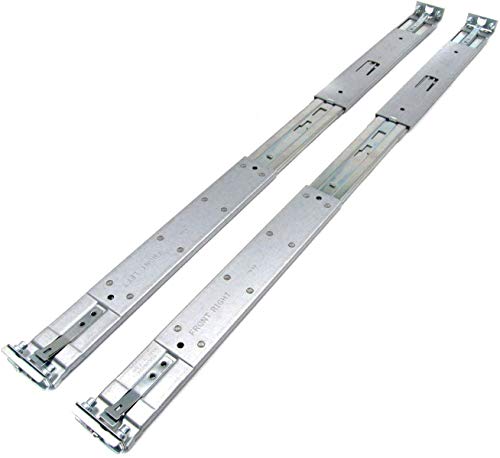
HP Rail Kit for ProLiant DL360p Gen8 1U Rack Rail Kit
HP
Mid-Range
HP Proliant DL380 G10 32-Core Server 64GB RAM 8TB (Renewed)
HP
Premium
HP DL360 G9 36-core virtualization server (renewed)
HP
Premium
HP Proliant DL380 G8 12-Bay Server - 16-Core, 256GB RAM
HP
Premium
PowerEdge R630 Server with 2x E5-2650v3, 96GB RAM, H730, 8x1TB SAS
Amazon Renewed
Premium
HP Proliant DL380 G9 36-Core 512GB RAM 48TB Server
HP
Premium
HP DL380 G9 36-Core 64GB RAM 48TB Server
HP
PremiumRoundups
Frequently Asked Questions
How do I choose the right server form factor (tower, rack, blade) for my needs?
Choose a tower for small offices or single-server needs with simple cooling and expansion; a rack server for data center environments where density, standardized mounting, and shared power/cooling matter; and blades when you need very high density and centralized management but have a compatible chassis and higher upfront infrastructure costs
What CPU, memory, and storage specs should I prioritize for common use cases?
Prioritize CPU cores and frequency for compute-heavy workloads, RAM capacity and ECC memory for virtualization and databases, and choose storage by workload: SSDs/NVMe for low-latency I/O, HDDs for large-capacity archiving, and consider RAID or software-defined storage for redundancy and performance
How does networking affect server selection and what network features should I look for?
Look for onboard NIC speed (1GbE, 10GbE, or higher) and support for multiple ports if you need link aggregation or redundancy, consider built-in management interfaces (IPMI/iDRAC/iLO) for remote access, and check for optional fiber or SFP+ modules if your environment uses higher-speed or fiber networking
What should I consider regarding expandability and future upgrades?
Check available CPU sockets, memory slots and maximum supported RAM, drive bays and interface types (SATA, SAS, NVMe), PCIe expansion slots for additional NICs or accelerators, and whether firmware and BIOS updates are readily available to support newer components
How do I plan for reliability, redundancy, and maintenance?
Plan for redundant power supplies and NICs, hot-swappable drive bays if uptime is critical, use RAID or distributed storage for data protection, implement monitoring and regular backups, and verify warranty and support options from the vendor
What power and cooling considerations affect operating costs?
Evaluate server TDP and typical power draw under load to size power supplies and UPS capacity, consider energy-efficient processors and power supplies (80 PLUS ratings), and ensure rack airflow and data center cooling can handle the thermal output to avoid throttling and hardware failure
How should I assess warranty, support, and lifecycle for business servers?
Compare warranty lengths, on-site vs. depot repair, availability of extended support and parts, firmware/software update policies, and the vendor's hardware lifecycle to ensure parts and security updates will be available for the expected service life