Digital Picture Frames
Digital picture frames and digital photo displays for home and office use, ranging from compact budget models to premium Wi‑Fi and touchscreen units. 452 products indexed with an average rating of 4.46; common brands include FULLJA, Dragon Touch, and KODAK. Price range spans about $33 to $800 (average ~(price varies))
Top Products

Dragon Touch 10.1'' Wi-Fi Digital Picture Frame
Dragon Touch
Mid-Range
AEEZO 10.1" WiFi Digital Photo Frame with 16GB
AEEZO
Mid-Range
Dragon Touch 10 inch Wi-Fi Digital Picture Frame
Dragon Touch
Mid-Range
AEEZO 10.1 inch Digital Picture Frame with 32GB, WiFi, IPS touch
AEEZO
Mid-Range
Dragon Touch 10 inch Wi-Fi Digital Photo Frame
Dragon Touch
Mid-Range
AEEZO 10.1" Digital Picture Frame with 32GB, WiFi, IPS Touch
AEEZO
Mid-Range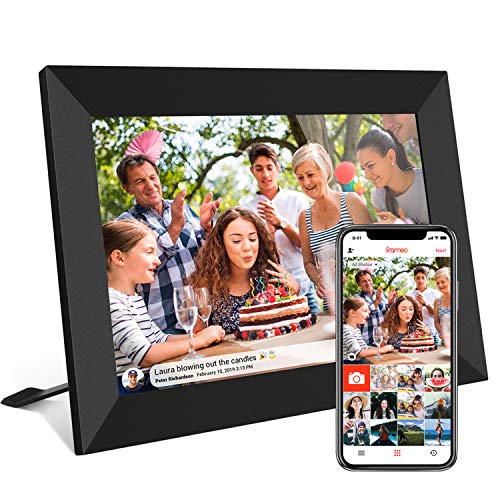
32GB Frameo 10.1 In Smart WiFi Digital Photo Frame
akimart
Mid-Range
Dragon Touch 10-inch WiFi Digital Picture Frame
Dragon Touch
Mid-Range
Frameo 10.1" Digital Picture Frame
MaxAngel
Mid-Range
Frameo 10.1" Digital Picture Frame with 32GB, WiFi
MaxAngel
Mid-Range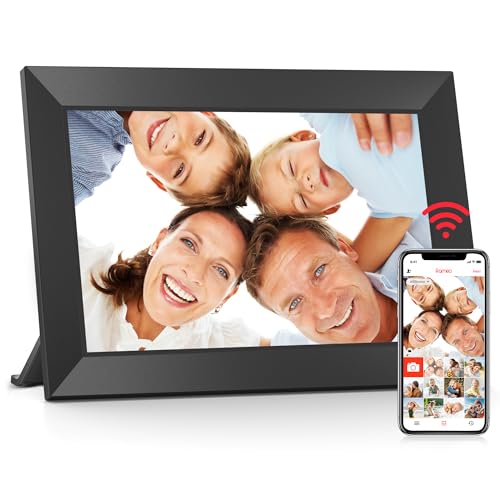
BIGASUO 10.1" Frameo Digital Frame with 32GB
BIGASUO
Mid-Range
Frameo WiFi Digital Picture Frame 10.1" 1280x800 IPS Touch
Pastigio
Mid-Range
AEEZO 10.1in WiFi Digital Photo Frame with 16GB
AEEZO
Mid-Range
Brookstone PhotoShare 8 Smart Digital Frame
Brookstone
Mid-Range
Frameo 10.1" Digital Picture Frame with WiFi
MaxAngel
Mid-Range
MaxAngel Frameo 10.1" WiFi Digital Picture Frame
MaxAngel
Mid-Range
YENOCK 10.1
YENOCK
Mid-Range
Apolosign 10" Neon Light Digital Frame with 2K Display
ApoloSign
Mid-Range
SAMMIX 10.1 inch digital picture frame with IPS touch screen
SAMMIX
Mid-Range
MaxAngel 2K 64GB Frameo 10.1 inch Digital Photo Frame
MaxAngel
Mid-Range
Frameo 10.1" Wood WiFi Digital Picture Frame
BIGASUO
Mid-Range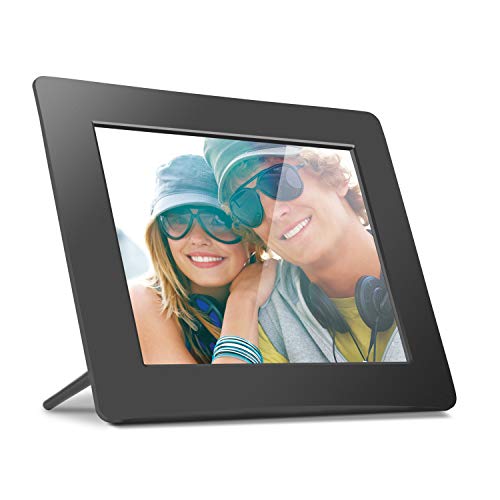
Aluratek 8 inch LCD digital photo frame
Aluratek
Mid-Range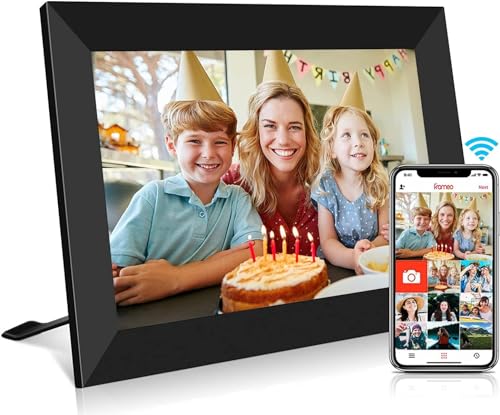
YENOCK Frameo 10.1" WiFi Digital Photo Frame with 32GB
YENOCK
Mid-Range
AEEZO 10.1 Inch Digital Picture Frame with WiFi
AEEZO
Mid-RangeRoundups
Frequently Asked Questions
How do I choose the right screen size and resolution for a digital picture frame?
Pick a screen size that fits the display location—common sizes are 8–15 inches; larger frames are better for viewing across a room. Choose at least 720p (1280×720) for clear photos on medium screens and 1080p (1920×1080) or higher for larger displays or close viewing
What connectivity options should I look for (Wi‑Fi, USB, SD card, cloud)?
Wi‑Fi lets you sync photos from apps or cloud storage and receive updates remotely; USB and SD card slots work for one‑time transfers without internet; cloud/email upload features add convenience for multiple contributors but may require account setup
How much storage do I need and can I expand it?
Internal storage varies—many frames include 4–32 GB, which holds hundreds to thousands of compressed photos; look for microSD/SD card slots or USB ports if you want expandable local storage, and consider Wi‑Fi/cloud support if you prefer streaming without large onboard memory
What power and mounting options should I consider?
Most frames require continuous AC power via a wall adapter, though a few models offer rechargeable batteries for short periods; check whether the frame includes a tabletop stand, wall‑mounting hardware, or offers VESA compatibility if you plan to hang it
Which photo formats and extra features are important?
Ensure the frame supports common formats like JPEG and sometimes PNG; look for slideshow controls, auto‑rotate, adjustable brightness/light sensors, video playback if needed, and remote scheduling or motion detection for power saving
How do I care for and maintain a digital picture frame?
Keep the screen clean with a soft, lint‑free cloth and mild screen cleaner; avoid direct sunlight and high humidity, update firmware when provided by the manufacturer, and back up original photos before large transfers or resets
What price range should I expect and how does it affect features?
Digital frames generally span from budget models under $50 to premium models over several hundred dollars; lower prices often mean smaller screens, lower resolution, and limited connectivity, whereas mid‑range to higher prices typically add Wi‑Fi, cloud features, better displays, and larger built‑in storage