DJ Controllers
DJ controllers for mixing and performance hardware, including compact pads, all-in-one units, and professional two-deck controllers used by DJs and hobbyists. The category spans budget through premium models (46 products, average rating 4.43) and features brands like Numark and Pioneer among others
Top Products

Serato Glow-in-the-dark Control Vinyl 12" Pair
Serato
Mid-Range
DJ Controller Bundle with 2 Decks, Audio Interface and Lighting
Numark
Premium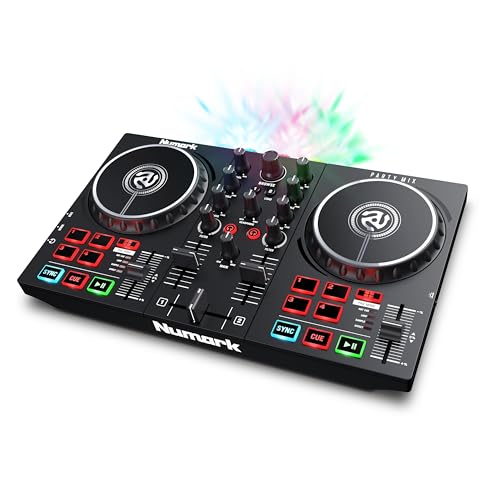
Numark Party Mix II DJ Controller with Lights
Numark
Mid-Range
Hercules DJ Control Starlight Compact Controller with Serato DJ Lite
Hercules
Mid-Range
DJ Controller & DMX Bundle with USB connectivity
Numark
Premium
DJ Controller & DMX Bundle: 4-deck Serato setup
Numark
Premium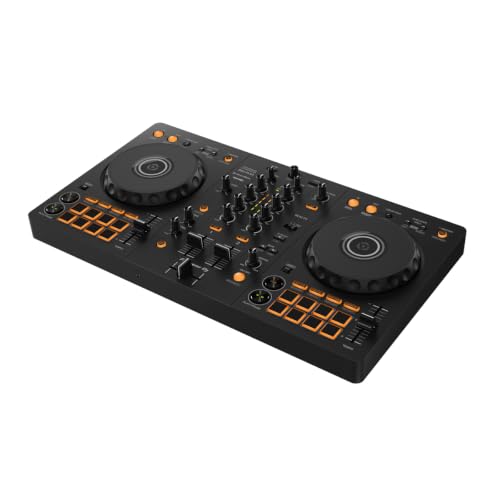
Pioneer DJ DDJ-FLX4 2-deck DJ Controller
Pioneer DJ
Premium
Numark Mixtrack Platinum FX Serato DJ Controller
Numark
Premium
DJ Controller & DMX Bundle 2 Deck 6-inch jog wheels & audio interface
Numark
Premium
DJ Controller Bundle: 2 Deck Set with Mixer, Audio Interface
Numark
Premium
Numark Mixtrack Pro FX Serato DJ Controller (2 Decks, 24-bit Audio Interface)
Numark
Premium
DJ Controller Bundle with 4 Decks and Audio Interface
Numark
Premium
Numark Party Mix Live DJ Controller with Speakers
Numark
Premium
Hercules DJ Controller
Hercules
Premium
CO-Z DMX 512 Stage Light Controller for Light Shows
CO-Z
Mid-Range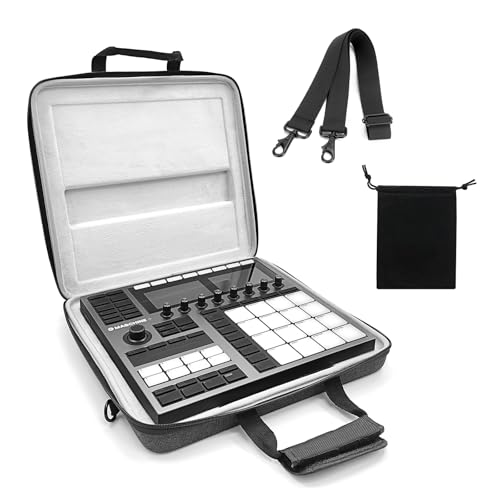
Premium Velvet Travel Case for Native Instruments Maschine+
Musiin
Budget
Hercules DJControl Inpulse 200 MK2 learning DJ controller
Hercules
Mid-Range
DJ Controller Bundle with Built-in Speakers and Lights
Numark
Premium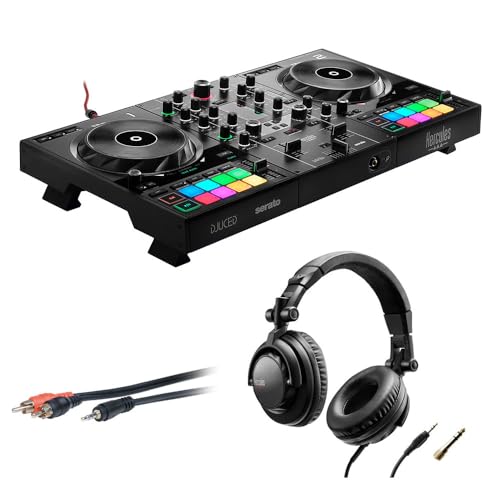
Hercules DJControl Inpulse 500 with headphones and RCA cable bundle
Hercules
Premium
DJ Controller & DMX Bundle: complete Serato system with built-in speakers
Numark
Premium
Hercules Inpulse 200 MK2 Arctic Blue DJ Controller
Hercules
Mid-Range
Hercules DJ Control Inpulse 200 with 8" stereo mini to dual RCA bundle
Hercules
Mid-Range
Pioneer DJ DDJ-FLX2 2-Channel DJ Controller
AlphaTheta
Premium
Pioneer DDJ-REV1 Scratch-Style 2-Channel DJ Controller
PIONEER
PremiumRoundups
Frequently Asked Questions
How do I choose the right DJ controller for my skill level?
Beginners should look for controllers with a simple layout, bundled software compatibility, and built-in audio interfaces; intermediate to pro users often prioritize multi-channel mixers, higher-quality jog wheels, more assignable pads, and support for advanced performance features. Match the controller's inputs/outputs and software compatibility to your setup and the type of DJing you plan to do (home practice, streaming, mobile gigs, or club play)
What should I consider about software and compatibility?
Check which DJ applications the controller is designed to work with (standalone drivers, or bundled/licensed versions of Serato, Rekordbox, Virtual DJ, Traktor, etc.) and whether it supports plug-and-play with your operating system. Also verify MIDI mapping/customization options and whether the controller offers class-compliant audio over USB if you need low-latency operation without extra drivers
How much should I expect to spend and what features vary by price?
DJ controllers in consumer electronics range from budget models under $100 to professional units several hundred dollars; in this category the average price is in the mid-hundreds. Lower-cost models typically have fewer channels, smaller jog wheels, and simpler build materials, while higher-priced units offer more inputs/outputs, sturdier construction, advanced performance pads, onboard effects, and higher-quality audio interfaces
Which inputs and outputs are essential for live performance or club use?
For live or club use, essential I/O includes a dedicated master output (XLR or balanced TRS), booth output, at least one microphone input with gain control, and a reliable USB audio interface for recording or streaming. Additional useful ports are phono/line switchable inputs for external turntables, RCA line outputs for monitors, and MIDI or USB ports for syncing external gear
How important is build quality and portability?
Build quality affects durability and feel under performance conditions; metal platings, responsive jog wheels, and solid encoders improve longevity, while lightweight plastic units increase portability. Choose based on your use: heavier, robust controllers are better for regular gigging, while compact, lighter units suit travel and mobile setups
Do DJ controllers require maintenance and how should I care for them?
Regular maintenance includes keeping the unit clean of dust and liquids, using compressed air for fader and encoder crevices, and avoiding heavy spills; store in a padded case for transport and disconnect cables when not in use to prevent wear. If knobs or faders become noisy or unresponsive, professional cleaning or component replacement may be needed rather than DIY fixes that could void warranties
Can I use a DJ controller for live streaming or producing music?
Yes — many controllers include USB audio interfaces and low-latency operation suitable for live streaming; ensure the controller's audio inputs/outputs and MIDI support match your streaming or production workflow. For production, consider controllers with MIDI mapping, multiple outputs, and integration with your DAW for tactile control