Djembes
Handcrafted and synthetic djembes for players and hobbyists, including wooden and rope-tuned models and electronic accessory-compatible options. The category spans budget through premium instruments (38 products, average rating 4.47) with brands like Terre and Meinl Percussion represented. Average price sits around $115, range $33–$330
Top Products

Meinl Tuned Djembe Hand Drum
Meinl Percussion
Mid-Range
Djembe Drum by AKLOT 9.5'' x 20'' Mahogany with Goatskin
AKLOT
Mid-Range
Djembe Drum Bongo Congo Hand Drum, 12" High
Jive
Budget
Djembe Drum with Mahogany Body and Goatskin Drumhead
AKLOT
Mid-Range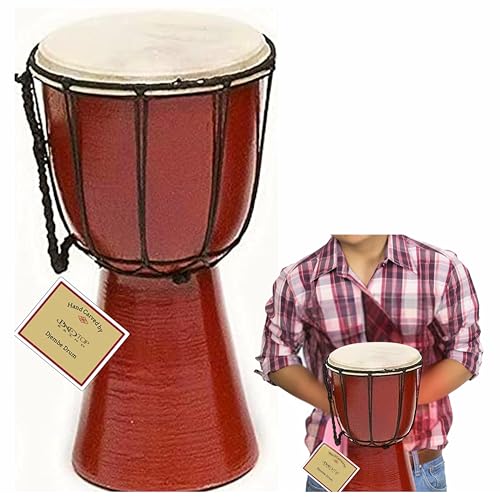
Djembe Drum 6x12 withGoat Skin - Handcrafted West Africa Style
B.N.D TOP
Budget
Djembe Drum 7x15 with goat skin, mahogany finish
B.N.D TOP
Mid-Range
lotmusic 10'' African Djembe Drum with Goatskin Head
lotmusic
Mid-Range
Wood Djembe Drum 8.5'' x 16'' Mahogany Hand Drum
GOGHOST
Mid-Range
Djembe Drum Frame Saver (12-28")
Terre
Budget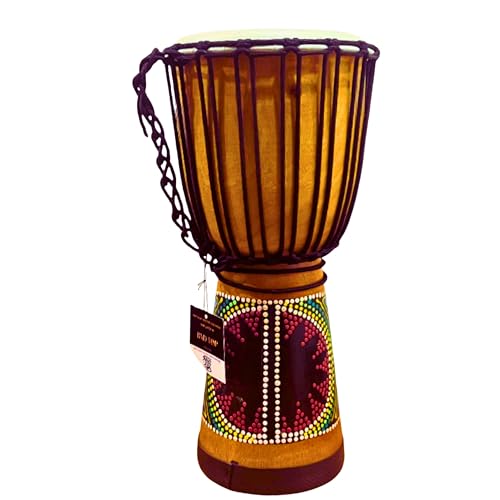
Djembe Drum with Rope 9x20 Hand-Carved Natural Wood
B.N.D TOP
Mid-Range
TAOSKNE 8.5-inch Djembe West African Style Tambourine
TAOSKNE
Mid-Range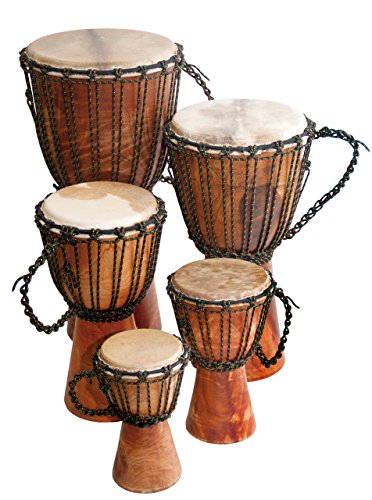
Djembe Beginner 12" x 6.5-7" head by Terre
Terre
Mid-Range
Africa Heartwood Project Djembe Drum 8x16 in Ghana
Africa Heartwood Project
Mid-Range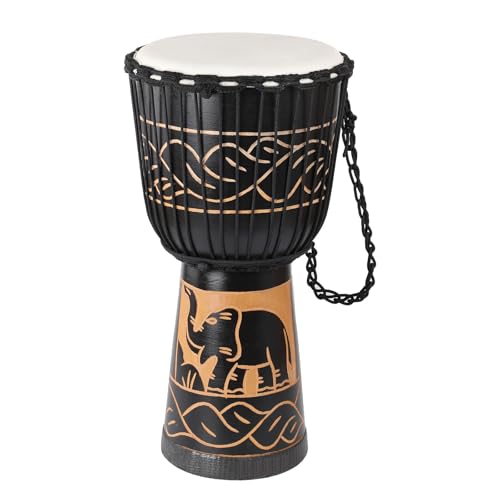
LIEKE Djembe Drum 10''x20'' Mahogany Body Goatskin
LIEKE
Mid-Range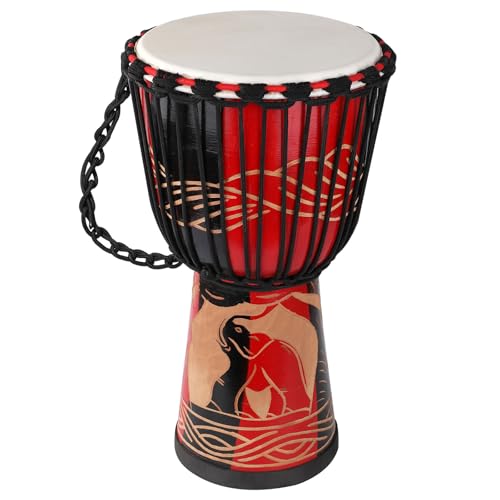
LIEKE 10''x20'' Djembe Drum with Mahogany Body
LIEKE
Mid-Range
TAOSKNE 8.5in West African Djembe Hand Drum
TAOSKNE
Mid-Range
Djembe Hand Drum by Meinl Headliner Series
Meinl Percussion
Mid-Range
Djembe Beginner 16" x 7.5-8.5" head by Terre
Terre
Mid-Range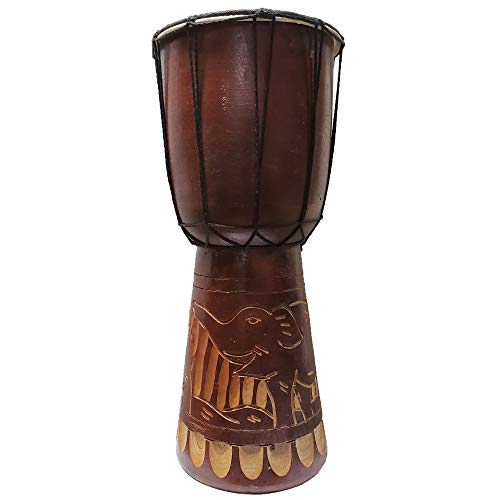
Djembe Drum with Elephant Carved Design, 16"
Stoneage Arts
Mid-Range
Djembe Drum Carved 15" Elephant Red – Stoneage Arts
Stoneage Arts
Mid-Range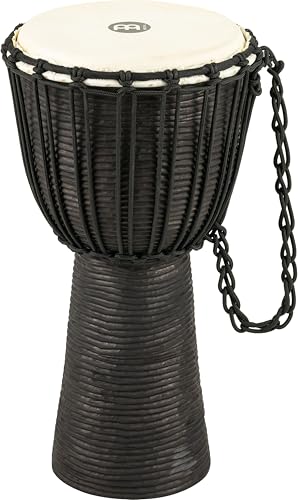
Meinl Djembe with Mahogany Wood, 10-Inch, Natural Head
Meinl Percussion
Mid-Range
Djembe Beginner 20" tall, 8.5-9.5" head by Terre
Terre
Mid-Range
10 inch djembe drum for beginners
AOULIWET
Mid-Range
Djembe Beginner carved 20" tall mahogany head with goatskin
Terre
Mid-RangeRoundups
Frequently Asked Questions
How do I choose the right djembe size for a beginner or for travel?
For beginners and travel, look for djembes with shell heights around 12–18 inches (small to medium) which are lighter and easier to carry; full-size djembes (18–24 inches) produce deeper bass and more volume but are heavier
What materials and construction should I consider when buying a djembe?
Common shells are carved hardwood, composite/resin, or layered plywood; hardwoods typically offer richer tone, composites are more durable and weather-resistant, and synthetic heads (coat/rope-tuned) resist humidity while natural goat skin gives warmer, more traditional sound
How much should I expect to pay for a decent djembe and what affects price?
Djembes commonly range from under $50 for basic student models to several hundred dollars for handcrafted hardwood instruments; price reflects materials, hand carving, head type, rope or bolt tuning, and brand craftsmanship
What tuning and hardware options are available and which is best for me?
Djembes use rope tuning (traditional, no tools) or mechanical/tension bolt systems (easier and quicker to tune); choose rope tuning for authenticity and stability if you know how to retune, or bolt systems if you want straightforward, tool-based adjustments
How do I care for and maintain a djembe to preserve tone and longevity?
Keep natural-skin heads away from prolonged humidity and direct sunlight, occasionally tighten rope or bolts as needed, clean the shell with a soft cloth and mild cleaner, and store in a padded bag or upright in a dry location to prevent warping or splitting
What should I listen for in sound and playability when comparing djembes?
Evaluate bass depth, slap clarity, and overall projection; a balanced djembe will have a clear, crisp slap, distinct tone for open notes, and a resonant bass without excessive muddiness, while playability includes comfortable rim size and balanced weight
Are electronic or amplified djembes a good option for modern use?
Electronic or pickup-equipped djembes allow easy amplification and consistent tone for stage or studio use; they add convenience for live performance but may alter the natural acoustic character compared to an unamplified instrument