Drum & Percussion Electronic Drum Amps
Electronic drum and percussion amps for monitoring and performance with inputs for electronic kits, triggers, and auxiliary devices. The category spans budget to mid-range options (about $90–$399, avg $156) across 14 products with a 4.51 average rating, featuring brands like Donner and Alesis
Top Products

COOLMUSIC DM20 20W Bluetooth Drum Amplifier
COOLMUSIC
Mid-Range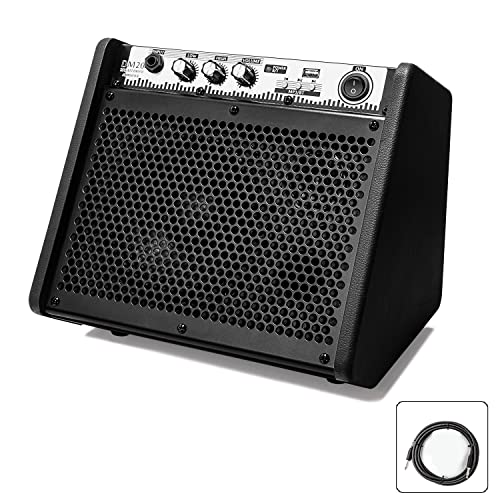
Coolmusic DM20 20W Bluetooth Drum Amplifier
COOLMUSIC
Mid-Range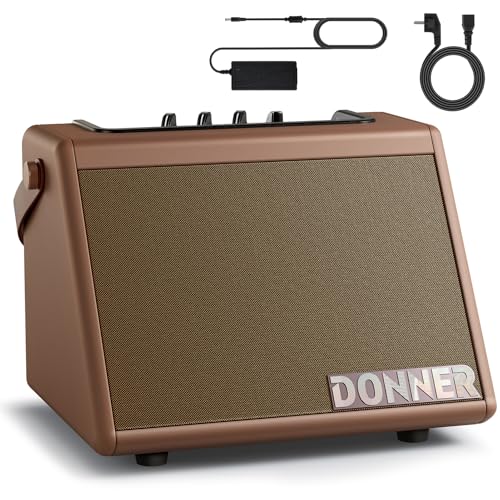
Donner 20W Drum Amplifier DDA-20, wireless control
Donner
Mid-Range
Donner DDA-20 Mini Electric Drum Amplifier (20W)
Donner
Mid-Range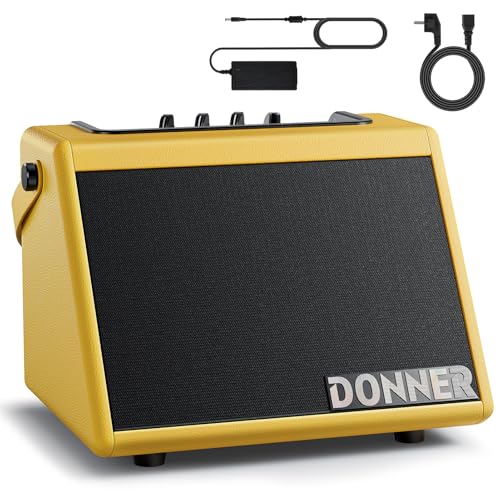
Donner 20W electric drum speaker for electronic sets
Donner
Mid-Range
Vangoa 40W Electric Drum Amplifier with 8" woofer and 2" tweeter
Vangoa
Mid-Range
Alesis Nitro 70W 3" Compact Drum Monitor with Clamps
Alesis
Mid-Range
Coolmusic 80-Watt Drum Amp DM80 with Bluetooth
COOLMUSIC
Premium
SONICAKE 20W Electric Drum Amp - Portable BT Drum/Keyboard Speaker
SONICAKE
Mid-Range
Donner 35-Watt Electronic Drum Amplifier DA-35, 2x8" Speakers
Donner
Premium
Vangoa 65W Electric Drum Amp for Electronic Percussion
Vangoa
Mid-Range
AODSK 35W Dual Speaker Electronic Drum Amplifier
AODSK
Mid-Range
5 Core 80W Bluetooth Drum Amplifier with 8" Speaker
5 CORE
Mid-Range
Alesis Strike Amp 12 MK2 2500W Drum Amp Speaker
Alesis
PremiumRoundups
- Best Drum & Percussion Electronic Drum Amps Under $100 (2026)
- Best Drum & Percussion Electronic Drum Amps for Home Practice (2026)
- Best Drum & Percussion Electronic Drum Amps for Street Performance (2026)
- Best Drum & Percussion Electronic Drum Amps Under $200 (2026)
- Best Drum & Percussion Electronic Drum Amps (2026 Guide)
Frequently Asked Questions
How do I choose the right electronic drum amp for my setup?
Match the amp’s power and input types to your needs: choose 20–100+ watts for practice versus small gigging, ensure stereo/mono line and headset inputs for drum modules, and look for dedicated subwoofer or low-frequency handling to reproduce kick drum tones accurately
What are the most important features to look for in an electronic drum amp?
Prioritize clean low-frequency response, multiple inputs (line, auxiliary, headphone), balanced outputs or DI for PA connection, and onboard EQ or contour controls to shape cymbals and kick; portability and build quality matter for gigging and transport
Is a special amp required for electronic drums, or can I use a guitar or keyboard amp?
Keyboard or dedicated electronic drum amps are preferable because they are designed for full-range frequencies and low-end punch; guitar amps often lack low-frequency extension and can distort kick tones, while bass amps may color cymbals unnaturally
What size and power rating should I buy for home practice versus live performance?
For home practice, compact amps of 20–60 watts with headphone outputs are usually sufficient; for small live venues or rehearsals choose 100+ watts or larger cabinet designs and consider a DI output to send a clean signal to the venue PA
How important is portability and construction when choosing an amp?
Portability is important if you transport gear frequently—look for lighter cabinets, reinforced corners, and protective grills; for stationary use, heavier, more robust cabinets often deliver better bass response and durability
What maintenance and care do electronic drum amps need?
Keep vents and speaker cones free of dust, avoid exposing the amp to moisture or extreme temperatures, use proper speaker cables and avoid overdriving inputs; have a qualified technician inspect any blown speakers or faulty electronics
How do I connect my electronic drum module to an amp and to a PA system simultaneously?
Use the module’s main stereo or mono outputs to feed the amp, and connect the amp’s DI or line-out to the PA; if the amp lacks a line-out, use a splitter cable or send one output from the module to the PA and the other to the amp