Electric Guitar Chorus Effects
Top Products

JOYO Chorus Pedal JF-05 – True Bypass, Transparent Chorus
JOYO
Budget
Ibanez Chorus Mini Pedal
Ibanez
Mid-Range
Caline CP-66 Classic Flanger Guitar Effects Pedal
Caline
Budget
Rowin Mod Station 11-in-1 Digital Modulation Guitar Pedal
Rowin
Mid-Range
BOSS CH-1 Super Chorus Pedal
BOSS
Mid-Range
Mooer Ensemble King analog chorus micro pedal
MOOER
Mid-Range
Sprout Modulation Guitar Pedal with CTRL Input
Klowra
Mid-Range
Boss CH-1 Super Chorus Bundle
BOSS
Mid-Range
Electro-Harmonix Superego Synth Engine Guitar Pedal
Electro-Harmonix
Mid-Range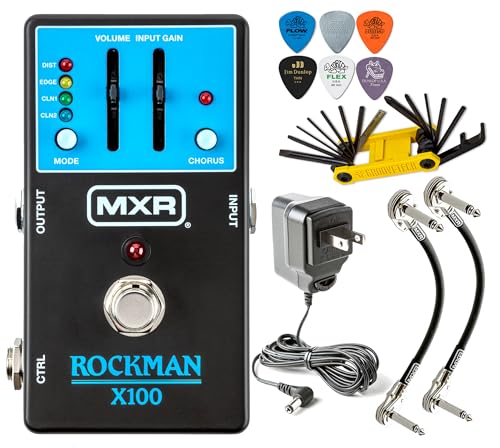
MXR Rockman X100 Tone Processor with Tonebird Bundle
Tonebird
PremiumRoundups
Frequently Asked Questions
How do I choose the right chorus pedal for my electric guitar?
Consider the control complexity you need (simple depth/rate vs. multi-voice or stereo), whether you want true-bypass or buffered switching, power requirements (9V battery vs. adapter), and the pedal's tonal character (warm/vintage vs. bright/modern). Try demos or audio samples to match the effect to your guitar and amp
What features most affect chorus sound quality?
Key features are the modulation waveform and rate, depth (intensity), presence of stereo outputs, dry/wet mix control, and whether the pedal uses analog bucket-brigade or digital processing; these determine warmth, clarity, and how pronounced the chorus effect is
Can chorus pedals be used with other effects like delay or reverb?
Yes—chorus typically works well before time-based effects; a common signal chain is guitar -> chorus -> overdrive/distortion -> delay -> reverb, but experimenting with order can yield different textures, and stereo chorus into stereo delay/reverb can enhance spatial effects
What price should I expect for a quality chorus pedal?
Chorus pedals in this category range from budget models under $50 to midrange and pro options above $150, with an average around $100–$120; higher-priced units often offer stereo outputs, digital presets, or boutique analog circuits
How important is true-bypass vs. buffered bypass for chorus pedals?
True-bypass preserves an unaltered signal when the effect is off, which is useful for single-pedal setups, while buffered bypass prevents high-frequency loss on long cable runs or with many pedals; choose based on your rig size and need for signal buffering