Electric Guitar Delay & Reverb Effects
Top Products

JOYO Digital Delay Effect Pedal for Electric Guitar & Bass
JOYO
Budget
SONICAKE 10-Band EQ Equalizer Guitar Pedal
SONICAKE
Mid-Range
SONICAKE Modulation Guitar Effects Pedal (4 Modes: Chorus, Flanger, Phaser & Tremolo)
SONICAKE
Mid-Range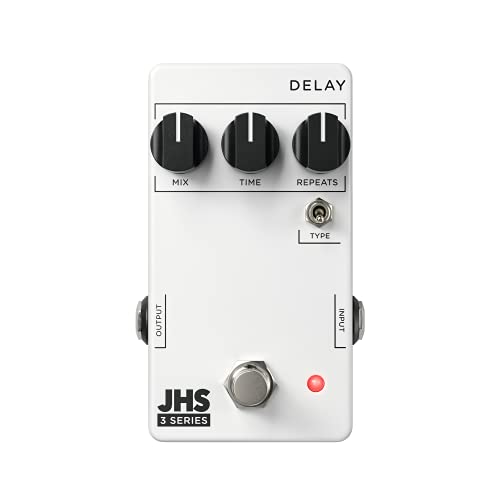
JHS Pedals 3 Series Delay
JHS Pedals
Mid-Range
SonicaKE Delay Reverb 2-in-1 Guitar Pedal
SONICAKE
Mid-Range
JOYO Atmosphere R-14 reverb pedal for guitar
JOYO
Mid-Range
Rowin Tape Delay Guitar Pedal RE-01 with Reverb Boost
Rowin
Mid-Range
JOYO Aquarius R-07 digital delay pedal with looper
JOYO
Mid-Range
JOYO 10-Band EQ Pedal for Guitar & Bass (R-12)
JOYO
Mid-Range
BOSS RV-6 Reverb Guitar Pedal
BOSS
Mid-Range
BOSS NS-2 Noise Suppressor Guitar Pedal
BOSS
Mid-Range
JOYO Vision R-09 Modulation Multi Effects Pedal for Electric Guitar
JOYO
Mid-Range
JOYO Octave Effect Pedal XVI R-13 for electric guitar
JOYO
Mid-Range
STRICH DECAY Distortion Guitar Pedal, 2 Modes
STRICH
Budget
MOD Reverb Tank 4EB3C1B Universal Stainless Steel 2-spring
MOD Reverb Tanks
Mid-Range
Multi Effects BASS Pedal with 9 AMP Modes & 8 IR CAB
SharkChili
Mid-Range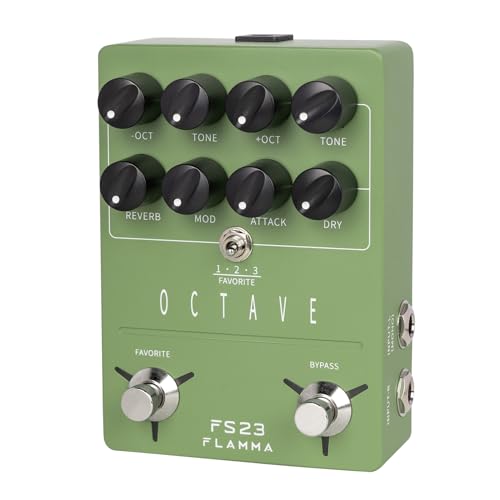
FLAMMA Octave Guitar Pedal FS23 Pitch Shifter
FLAMMA
Mid-Range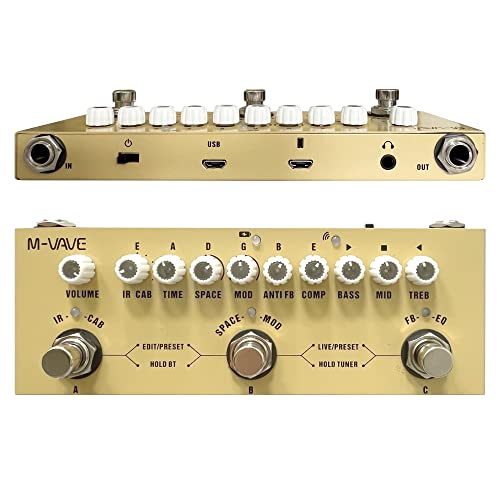
Multi Effects Acoustic Guitar Pedal by SharkChili
SharkChili
Mid-Range
Guitar multi-effects pedal with IR cabinet simulations
SharkChili
Mid-Range
JOYO Space Verb reverb pedal for guitar
JOYO
Mid-Range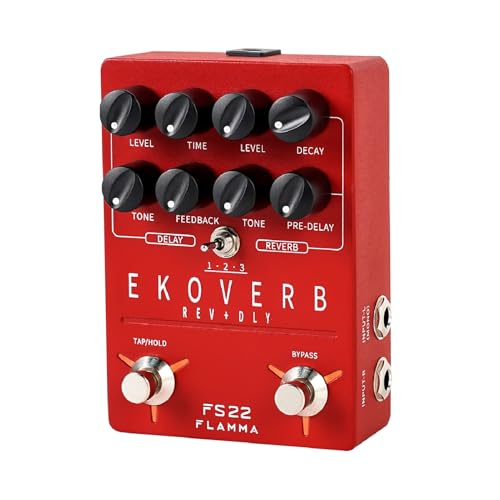
FLAMMA FS22 stereo delay & reverb pedal
FLAMMA
Mid-Range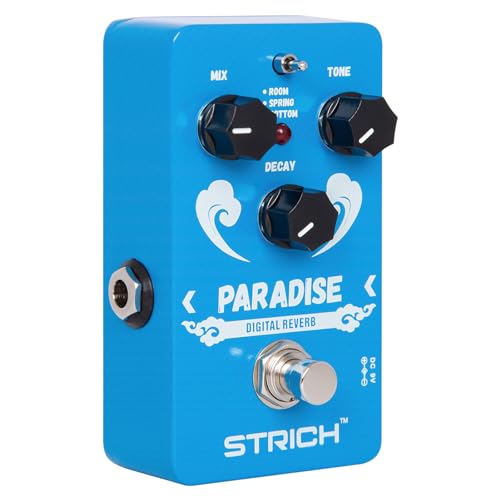
STRICH Paradise Digital Reverb Guitar Pedal
STRICH
Mid-Range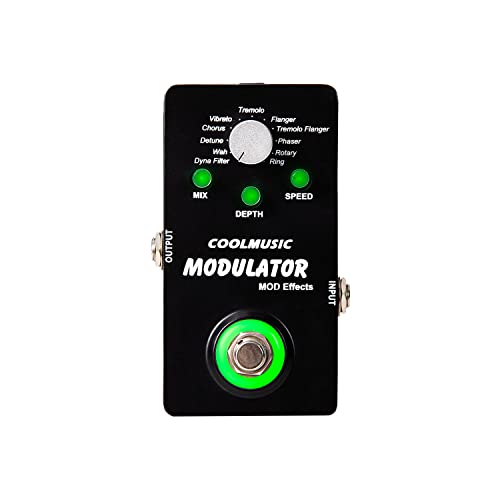
COOLMUSIC A-ME01 Modulator Multi Effects Pedal with 11 Mod Types
COOLMUSIC
Mid-Range
STRICH Tsunami Overdrive Guitar Pedal
STRICH
BudgetRoundups
Frequently Asked Questions
How do I choose between delay, reverb, and combined delay+reverb pedals?
Choose based on the sound roles you need: delay creates distinct repeats and rhythmic echoes, reverb simulates space and ambience, and combined pedals offer both effects for versatility. Consider whether you want independent control over each effect, the types of presets available, and how much pedalboard space and budget you have
What key specifications should I compare when buying a delay or reverb effect?
Compare effect type (analog vs digital), available modes (tape, spring, plate, hall, shimmer, modulation), maximum delay time or reverb decay, control options (knobs, presets, tap tempo, MIDI), input/output options (mono/stereo, true bypass vs buffered), power requirements, and build quality
How much should I expect to spend and what do price tiers generally offer?
Budget pedals under about (price varies) typically offer basic digital algorithms or single-mode delays; mid-range units ($100–$300) add better-sounding algorithms, more controls, and presets; higher-end pedals often provide studio-grade algorithms, stereo I/O, deep editing, and advanced features like MIDI and expression control. Average prices in this category tend to be around the low hundreds
Do I need stereo inputs/outputs and when are they worth it?
Stereo I/O preserves spatial effects for wide ambience and ping-pong delays and is most useful for stereo rigs, keyboards, or recording chains. For mono guitar setups, stereo outputs are optional unless you plan to expand to stereo playback or stereo wet/dry rigs
How important is true bypass vs buffered bypass for delay and reverb pedals?
True bypass passes the signal unaltered when the pedal is off, preserving tone in simple chains, while buffered bypass maintains signal integrity over long cable runs or multiple pedals. If you have many pedals or long cable runs, a buffered pedal or dedicated buffer is generally beneficial
What power and size considerations should I check for pedalboard compatibility?
Check the pedal's power consumption, required supply voltage/polarity, and physical dimensions. Some delay/reverb units need higher current or external adapters; others accept standard 9V pedalboard supplies. Verify spacing for knobs and jacks to avoid crowding on your board
How should I maintain a delay or reverb pedal to maximize lifespan?
Keep the pedal clean and dry, use the recommended power supply to avoid noise or damage, secure knobs and jacks gently, and avoid dropping it. Update firmware if the manufacturer provides safe updates and consult the manual for cleaning and service recommendations