Electric Guitar Equalization Effects
Electric Guitar Equalization Effects covers stompboxes and rack-style EQs used to shape tone and balance frequencies for electric guitars. The 15 indexed products span budget to mid-range prices (average ~(price varies)) and include brands like Jim Dunlop and JOYO. Average rating across the category is 4.43
Top Products
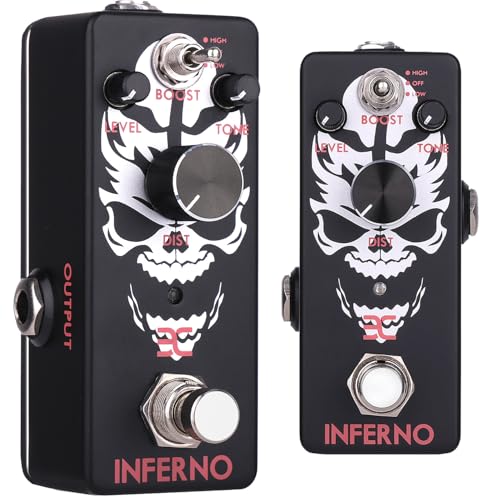
EX Inferno Death Metal Distortion Guitar Pedal
EX
Budget
JOYO 6-Band EQ Pedal for Electric Guitars
JOYO
Budget
EX Classic Distortion Guitar Pedal
EX
Budget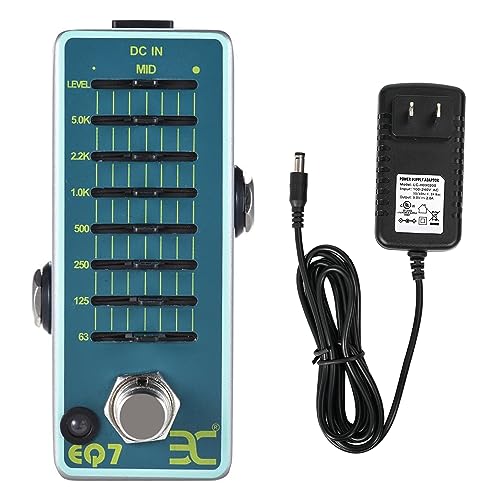
EX 7-Band EQ Mini Guitar Pedal
EX
Mid-Range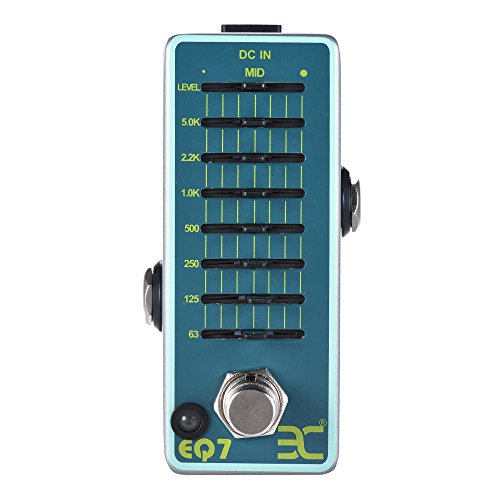
EX 7-Band EQ Mini Guitar Pedal
EX
Budget
Rowin 5-Band Bass EQ Pedal with True Bypass
Rowin
Budget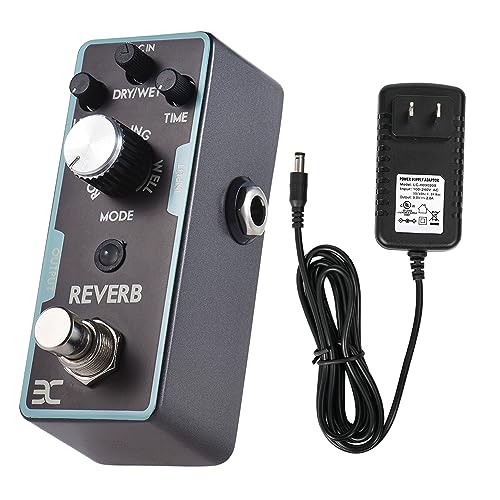
EX Mini Digital Reverb Pedal and Power Supply Pack
EX
Mid-Range
EX-Inferno Metal Distortion Pedal + 9V 2A Power Supply
EX
Mid-Range
EQ Pedal 10-Band Equalizer for guitar & bass
EROK
Mid-Range
Caline CP-24 10-Band EQ guitar effects pedal
Caline
Mid-Range
10-Band Equalizer Pedal for guitars & bass
RVONE
Mid-Range
STRICH 10-Band EQ Pedal for Electric Guitar & Bass
STRICH
Mid-Range
MOOER Micro EQ guitar pedal
MOOER
Mid-Range
MXR Ten Band EQ Guitar Effects Pedal
Jim Dunlop
Mid-Range
BOSS DC-2W WAZA Craft Dimension C Guitar Pedal
BOSS
PremiumRoundups
Frequently Asked Questions
How do I choose the right equalization (EQ) pedal for my electric guitar setup?
Choose an EQ pedal based on the number of bands (graphic EQs with 5–10 bands allow precise frequency shaping; parametric EQs provide selectable center frequency and Q), whether you need boost or cut range for each band, true-bypass versus buffered bypass for signal integrity, and physical size/power requirements to fit your pedalboard and power supply
What are the typical price ranges and what should I expect at each level?
Budget EQ pedals commonly start under $50 and offer basic 5–10 band graphic controls; mid-range pedals around $50–$150 add better components, more precise controls, or parametric bands; higher-end units provide premium parts, expanded frequency control, and studio-grade transparency, with prices rising accordingly
How does an EQ pedal interact with other pedals in my signal chain?
EQ pedals placed before distortion or overdrive shape the guitar's tone fed into gain stages, which can change how overdrive responds; placing EQ after distortion sculpts the overall output; many players use EQ both pre- and post-gain for different effects, and positioning can also affect noise and level sensitivity
Do I need a specific power supply or battery for EQ pedals?
Most guitar EQ pedals use a standard 9V DC adapter with center-negative polarity and low noise; some models require higher voltages (e.g., 12V or 18V) or include internal batteries, so check the pedal's power specifications and ensure your pedalboard power supply provides the correct voltage, current, and isolated outputs if you want minimal noise
What features should I look for if I want to use an EQ pedal for live performance?
For live use, prioritize clear and easy-to-read controls, durable metal housing, true-bypass or high-quality buffering, a mute or bypass LED to confirm status, and preset or footswitchable EQ snapshots if you need quick tone recalls between songs
How do I maintain and care for an EQ pedal to ensure long life?
Keep the pedal dry and free of dust, use the correct power adapter to avoid voltage damage, avoid stepping on knobs or jacks unnecessarily, periodically tighten input/output jacks if they become loose, and store pedals in a padded case when transporting to prevent physical damage
What are the main differences between graphic EQ and parametric EQ pedals for guitarists?
Graphic EQs provide fixed center-frequency sliders for quick, visual adjustments across a band set (good for broad tone shaping and notch filtering), while parametric EQs let you select center frequency, bandwidth (Q), and gain for more surgical adjustments, useful for removing troublesome frequencies or precise tone tailoring