Electric Guitar Noise Gates Effects
Noise gate pedals and rack units for electric guitar that reduce hum and tighten sustain by muting low-level noise. Products span budget to mid-range electronics with about 10 items indexed and an average rating of 4.37; brands include SONICAKE
Top Products

SONICAKE Noise Gate Effects Pedal for guitar
SONICAKE
Budget
SONICAKE Delay Reverb Pedal – 4-Mode Delay & Reverb
SONICAKE
Mid-Range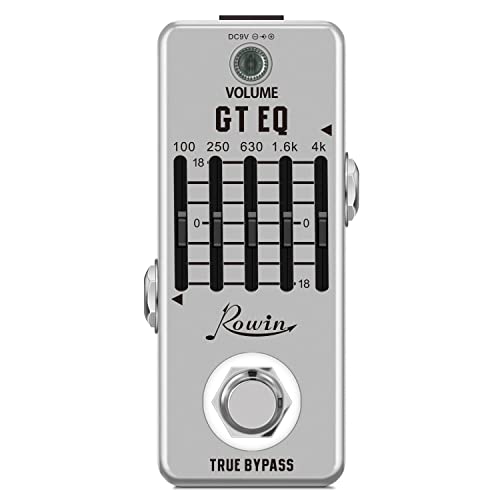
Rowin 5-Band EQ Pedal for Electric Guitar
Rowin
Budget
Rowin Tremolo Pedal Trelicopter for guitar effects
Rowin
Budget
SONICAKE Looper Guitar Pedal - 3 Banks, 24-bit Loops
SONICAKE
Mid-Range
SonicaKE Bitcrusher Guitar Pedal Wave Crush
SONICAKE
Mid-Range
SONICAKE IR Pedal Speaker Cabinet Simulator
SONICAKE
Mid-Range
Rowin Tape Echo Digital Delay Guitar Pedal
Rowin
Mid-Range
STRICH Noise Gate Pedal for Electric Guitar and Bass
STRICH
Budget
Rowin LEF-319 Noise Gate Pedal - Dual Mode
IOppWin
BudgetRoundups
- Best Electric Guitar Noise Gates Effects for Compact Pedalboard Setups (2026)
- Best Electric Guitar Noise Gates Effects Under $200 (2026)
- Best Electric Guitar Noise Gates Effects Under $100 (2026)
- Best Electric Guitar Noise Gates Effects Under $50 (2026)
- Best Electric Guitar Noise Gates Effects (2026 Guide)
Frequently Asked Questions
What is a noise gate pedal and how does it affect my electric guitar tone?
A noise gate reduces or silences signal below a set threshold to eliminate hum, hiss, and amp noise between notes; it preserves played notes above the threshold while muting low-level noise, but aggressive settings can cut sustain or natural decay
How do I choose the right noise gate settings (threshold, decay, range)?
Start by setting the threshold just above your unwanted noise level so quiet noise is cut but played notes remain; adjust decay (or release) for how quickly the gate closes—short for tight muting, longer for natural decay—and range to control how much attenuation occurs when closed
Which features matter when comparing budget noise gate pedals?
Key features include adjustable threshold and decay, true bypass or buffered bypass for signal chain compatibility, input/output level controls, LED indicators for gate status, optional sidechain or mute functions, and sturdy power/jack standards; build quality and whether it runs on standard 9V power are also important
Will a noise gate affect distortion and high-gain amp settings?
Yes—noise gates are commonly used with high-gain amps and distortions to tame increased noise, but setting the gate too aggressively can chop sustained distortion tones and feedback, so balance threshold and decay to retain musical sustain
Can I use a noise gate in front of or after other pedals, and how does placement change its behavior?
Placed before distortion/overdrive, a gate reduces input noise and can tighten pickup dynamics; placed after distortion or in the effects loop, it removes noise produced by gain stages—effects loop placement often yields more effective noise control for amp-driven distortion
Are there compatibility or power concerns I should check before buying?
Check that the pedal uses a common power format (standard 9V DC center-negative) or matches your pedalboard supply, confirm input/output impedance suits your guitar and pedals, and verify whether it offers true bypass if you prefer an uncolored bypassed signal
How do I maintain and troubleshoot a noise gate pedal?
Keep jacks and knobs clean, use the correct power supply to avoid hum, test settings with clean and distorted signals to isolate issues, swap placement in the chain to find optimal performance, and if noisy or unresponsive, try fresh cables and batteries or confirm power adapter voltage and polarity