Electric Guitar Strings
Electric guitar strings for players and technicians, covering nickel, stainless, coated, and specialty sets across gauge options for different tones and play styles. Seventy-three products are indexed with an average rating of 4.74 and price tiers from about $33 to $230; brands include D'Addario, Ernie Ball, Elixir and others
Top Products

Ernie Ball Slinky Electric Guitar Strings 6-pack, 9-42 gauge
Ernie Ball
Budget
Elixir Electric Guitar Strings, 6-String Set, Nickel Plated Steel with OPTIWEB Coating
Elixir
Budget
Elixir Electric Guitar Strings, 6-string set (Light, 10-46) 3-pack
Elixir
Mid-Range
D'Addario XL Nickel Electric Guitar Strings 10-52, 6-String, EXL140-10P
D'Addario
Mid-Range
Elixir Electric Guitar Strings 6-String Set, Nickel Plated Steel with NANOWEB Coating
Elixir
Mid-Range
Elixir guitar strings bundle: electric & acoustic sets
Elixir
Budget
D'Addario XL Electric Guitar Strings 11-49 (10-pack) EXL115-10P
D'Addario
Mid-Range
Elixir Electric & Acoustic Guitar Strings with Polyweb & Nanoweb Coatings
Elixir
Budget
D'Addario NYXL 0942-3P 6-string set, 09-42
D'Addario
Budget
D'Addario XL Electric Guitar Strings, 10-pack
D'Addario
Mid-Range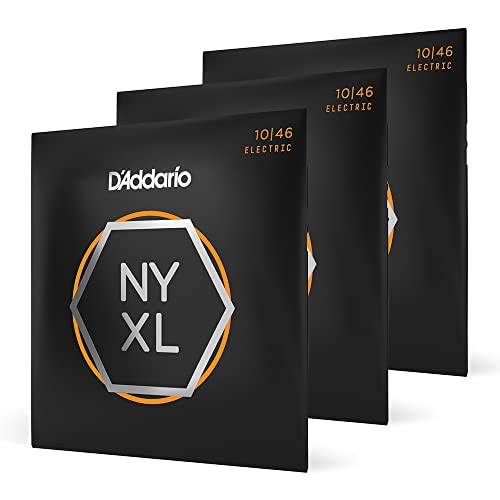
D'Addario NYXL 1046-3P 6-string set, electric strings
D'Addario
Budget
D'Addario NYXL Electric Guitar Strings 11-52 3-pack
D'Addario
Budget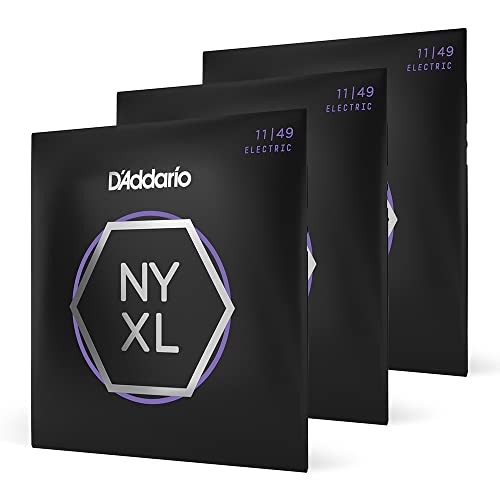
D'Addario NYXL Electric Guitar Strings 11-49 (6-String) Pack of 3
D'Addario
Budget
D'Addario NYXL Nickel Plated Electric Guitar Strings 10-52 (3-pack)
D'Addario
Budget
D'Addario XL Nickel Electric Guitar Strings EXL120-10P, 6-String Set (10-pack)
D'Addario
Mid-Range
D'Addario XT Nickel Electric Guitar Strings 10-46, 3-Pack
D'Addario
Budget
GHS GBZWLO Set Heavyweight Low Tuned Electric Guitar Strings 11-70 (Pack of 10 Sets)
GHS Strings
Mid-Range
GHS Boomers Electric Guitar Strings GBLXL SET 10-38 Light/Extra Light
GHS Strings
Mid-Range
GHS Boomers 11-50 Nickel Guitar Strings – 6-string, Med
GHS Strings
Mid-Range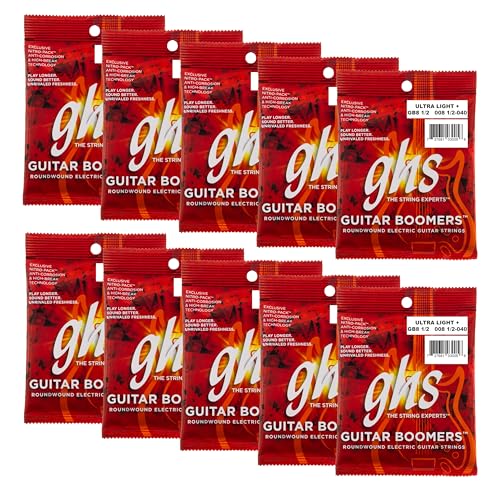
GHS Strings 8.5-40 ULT+ 6-String Boomers, Nickel Plated Steel Electric Guitar Strings
GHS Strings
Mid-Range
GHS Boomers Electric Strings, CLT .009-.046, 10-pack
GHS Strings
Mid-Range
GHS Strings GB10 Light Plus Electric Guitar Strings (10 1/2-48), Pack of 10
GHS Strings
Mid-Range
GHS Boomers 6-String Electric Guitar Strings GBUL UL 8-38 (10 sets)
GHS Strings
Mid-Range
GHS Boomers 11-50 electric guitar strings, 6-string, 10 pack
GHS Strings
Mid-RangeRoundups
- Best Electric Guitar Strings for Practice Sessions (2026)
- Best Electric Guitar Strings for Studio Recording (2026)
- Best Electric Guitar Strings for Short-Scale Guitars (2026)
- Best Electric Guitar Strings Under $200 (2026)
- Best Electric Guitar Strings Under $100 (2026)
- Best Electric Guitar Strings Under $50 (2026)
- Best Electric Guitar Strings (2026 Guide)
Frequently Asked Questions
How do I choose the right gauge for my electric guitar strings?
Choose based on playability and tone: lighter gauges (e.g., .009-.042) are easier to bend and better for lead playing, while heavier gauges (e.g., .010-.052 and up) offer more tension, fuller tone, and tuning stability for lower tunings; consider your guitar setup and playing style and consult a tech for major gauge changes
What are the main differences between coated and uncoated strings?
Coated strings have a thin polymer layer that slows corrosion and can extend usable life with a slightly different feel and sometimes smoother tone, while uncoated strings usually deliver a brighter tone initially and are typically less expensive
Do string materials (nickel, stainless steel, etc.) affect tone and feel?
Yes: nickel-plated steel is warm and balanced and common for electric guitars; stainless steel is brighter, more corrosion-resistant, and often feels slicker; pure nickel offers a vintage, warmer tone—material choice affects brightness, durability, and magnetic response
How often should I change my electric guitar strings?
Change frequency depends on play time and sweat/oil exposure: frequent players may change every 2–4 weeks, moderate players every 1–3 months, and occasional players as needed; replace sooner if you notice corrosion, dull tone, or tuning instability
Will switching string gauges require a setup or adjustment?
Yes; significant gauge changes can alter neck relief, action, and intonation, so a truss rod adjustment, bridge/saddle height, and intonation check are recommended after switching to a substantially lighter or heavier set
Are there differences in strings for different pickup types or playing genres?
While no string is required for a specific pickup, brighter strings (stainless steel) can emphasize high-end on single-coil pickups, and warmer strings (pure nickel) can complement humbuckers; players choose gauges and materials to match their tonal goals for genres like jazz, blues, rock, or metal
What should I look for in terms of value when comparing electric guitar string sets?
Compare material, coating, gauge options, and brand reputation; consider average lifespan and whether coated sets justify higher upfront cost for less frequent changes, and factor personal preference for tone and feel rather than price alone