Electric Guitar Tuning Keys
Replacement and upgrade tuning keys for electric guitars, including sealed-gear and locking tuners for refurbishing or customizing instruments. Average rating 4.54 across ~50 products, price range roughly $32–$130 with brands like Gotoh and Fender represented
Top Products

Fender locking staggered guitar tuners, chrome
Fender
Mid-Range
Grover vintage machine heads guitar tuner (135N)
Grover
Mid-Range
Gotoh SG381-01 Tuners (3 per side) Chrome
Gotoh
Mid-Range
Gotoh-style Chrome Tuners for 6-in-a-line
Gotoh
Budget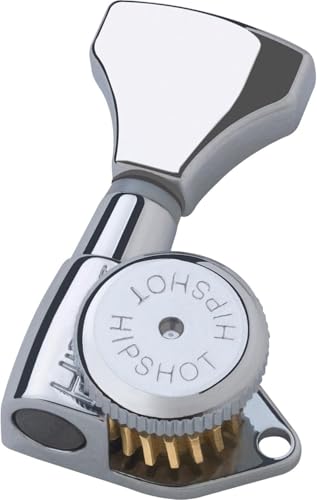
Hipshot 6GLO Grip-Lock Locking Tuning Machines (3+3) with UMP
Hipshot
Mid-Range
V1 Standard Guitar Upgrade for Tuning Stability
The String Butler
Mid-Range
Guyker Guitar Locking Tuners 6 pcs for ST TL style guitars
guyker
Budget
Guyker 3R + 3L Locking Guitar Tuning Keys Set 1:15
guyker
Budget
Guyker 6 In-line Locking Tuners GK434 (Gold/Black)
guyker
Mid-Range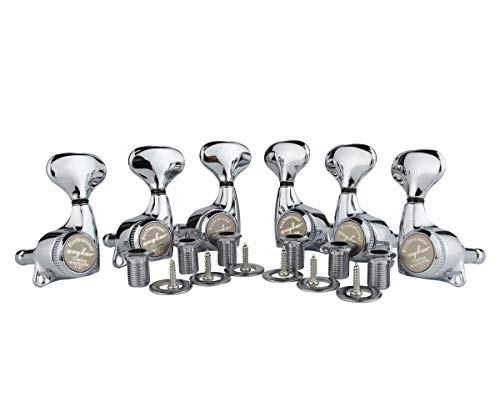
Guyker locking tuners set for electric guitars (3L + 3R) Chrome
guyker
Budget
Guyker 6-in-line Vintage Guitar Locking Tuners for ST/TL style guitars
guyker
Budget
Guyker 6-in-1 Guitar Locking Tuners GK04SP (3L+3R) antique bronze
guyker
Budget
Musiclily 6-in-line locking tuners for Strat/Tele guitars
Musiclily
Budget
Wilkinson 3x3 full-size sealed guitar tuners (gold) for Les Paul & acoustic
Wilkinson
Budget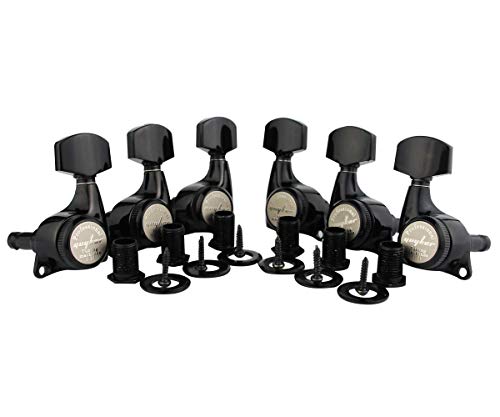
Guyker 6Pcs Locking Tuners (3L + 3R) for LP/SG-Style Guitars, 1:21
guyker
Mid-Range
Guyker 6-in-line locking guitar tuners for ST/TL style guitars
guyker
Mid-Range
Fender 70s-style guitar tuning machines (set of 6) in chrome
Fender
Mid-Range
Grover Acoustic Bass Guitar Tuners (102NV) replacement
Grover
Mid-Range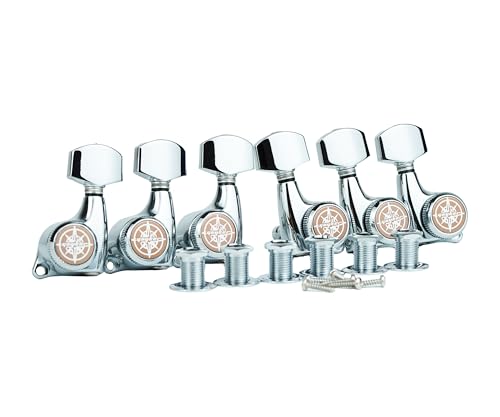
Guyker 6Pcs Locking Guitar Tuners (3L 3R) Chrome
guyker
Budget
Fender Classic Tuning Machine Heads - Chrome
Fender
Mid-Range
Gotoh Schaller-style 6-in-line tuning machines, black
Gotoh
Mid-Range
Guyker 3L + 3R locking tuners (1:21) for electric, folk, or acoustic guitars
guyker
Mid-Range
6 inline EZ-LOK guitar tuners, 19:1, gold
Musiclily
Mid-Range
Guyker 3L + 3R guitar tuners with trapezium handle, 1:21 ratio
guyker
Mid-RangeRoundups
Frequently Asked Questions
How do I choose the right tuning keys for my electric guitar?
Match the tuning keys' post diameter and hole spacing (bushing size and pegboard pattern) to your headstock, choose the correct mounting style (sealed gear vs. open-gear), and consider gear ratio, tuning stability, and weight so they suit your playing style and headstock balance
What gear ratio should I look for and why does it matter?
Higher gear ratios (e.g., 18:1 to 21:1) provide finer tuning precision and are useful for players who need exact pitch control, while lower ratios (e.g., 12:1 to 15:1) move faster but with less fine adjustment; choose based on how precisely you want to tune
Are sealed tuners better than open-gear tuners?
Sealed tuners enclose the gears in a housing for lower maintenance and generally longer service life, while open-gear tuners expose the gears for lighter weight and easier lubrication; neither is universally superior—pick sealed for low upkeep or open-gear for vintage look and easier servicing
Will replacing tuning keys affect my guitar's tuning stability?
Yes—quality tuners with proper fit, appropriate gear ratio, and correct installation can improve stability, but string winding technique, nut condition, and bridge setup also significantly affect tuning performance
What materials and finishes should I consider?
Common materials include plated steel, brass, and die-cast zinc; look for corrosion-resistant finishes (nickel, chrome, black, or gold plating) that match your guitar's aesthetics and resist wear in your playing environment
How do I measure my headstock to ensure compatibility?
Measure the bushing/post hole diameter, the distance between the centers of adjacent post holes (pitch), and the headstock thickness; compare these to the tuners' bushing size, post length, and mounting screw positions before purchase
What maintenance do tuning keys require to last longer?
Keep tuners clean and dry, periodically apply a drop of light machine oil or lubricant to exposed gear surfaces (for open-gear types), tighten loose mounting screws or bushings, and avoid over-torquing the tuning posts when restringing