Electric Guitar Wah & Filter Effects
This category groups electric guitar wah and filter effect pedals and stompboxes used to shape tone and envelope (wah, auto-wah, envelope filter, synth-like filters). It includes 13 indexed products averaging 4.36 stars, with prices spanning roughly $38–$210 and options from brands like Jim Dunlop
Top Products

Dunlop Cry Baby Standard Wah GCB95
Dunlop
Mid-Range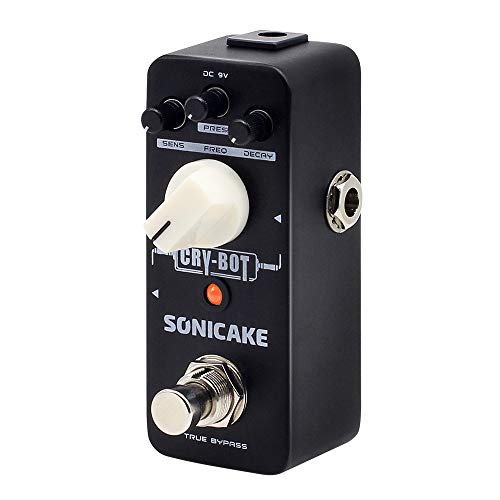
SONICAKE Auto Wah Pedal – Auto Wah Guitar Effect
SONICAKE
Budget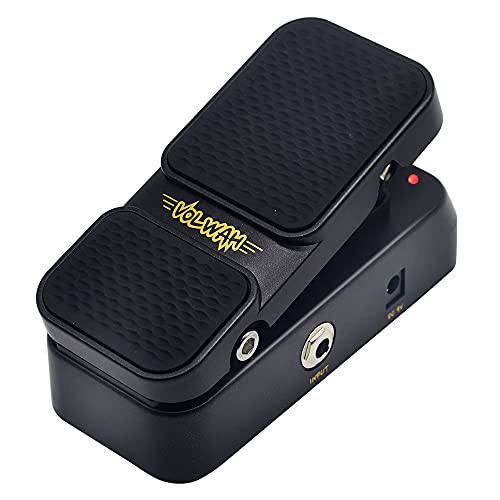
SONICAKE Active Volume & Wah Pedal 2-in-1
SONICAKE
Mid-Range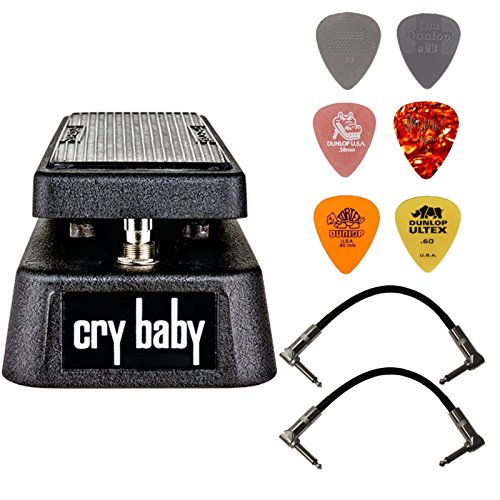
Dunlop Crybaby GCB-95 Wah Pedal Bundle
MXR
Mid-Range
Dunlop Cry Baby Wah 95Q pedal
Jim Dunlop
Mid-Range
MOOER analog envelope filter pedal for guitar and bass
MOOER
Mid-Range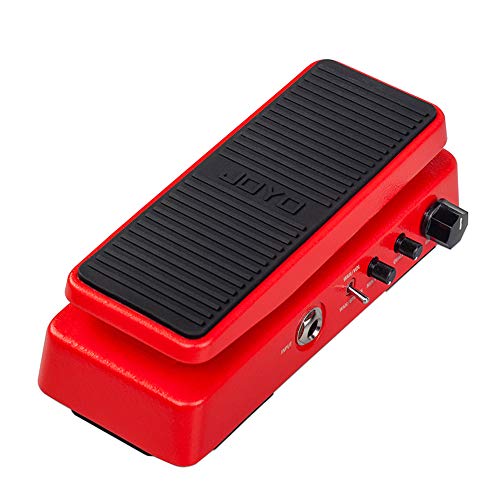
JOYO WAH-II Multimode WAH Pedal
JOYO
Mid-Range
Jim Dunlop 535Q Multi-Wah Guitar Effects Pedal
Jim Dunlop
Premium
CAE Wah by Jim Dunlop
Jim Dunlop
Premium
CBM535AR CryBaby Q Mini Auto Return pedal
Jim Dunlop
Premium
Jim Dunlop Slash Cry Baby Classic Wah
Jim Dunlop
Premium
Dunlop DB01B Dime Crybaby From Hell Wah Pedal
Jim Dunlop
Premium
Behringer B-TRON III Envelope Filter Pedal
Behringer
Mid-RangeRoundups
Frequently Asked Questions
How do I choose between a wah pedal and other filter effects?
Choose a wah pedal if you want a foot-controlled resonant peak that sweeps frequency in real time for vocal-like expression; choose other filter effects (auto-wah, envelope filter, phaser) if you want automated or LFO-driven sweeping, rhythmic modulation, or more subtle tonal shaping without continuous foot control
What should I look for in build quality and controls?
Look for a solid housing and durable rocker mechanism, true bypass or buffered bypass depending on your signal chain, and clear controls for range, Q (resonance), and level; metal enclosures, replaceable potentiometers, and secure footswitches generally last longer under gigging conditions
How do different power options affect performance?
Wah and filter pedals commonly accept 9V batteries or an external DC adapter; adapters provide more reliable power and avoid battery sag, while some pedals require center-negative 9V supplies—check polarity and current draw, and consider isolated power supplies to prevent noise in multi-pedal setups
What tonal differences should I expect across price ranges?
Budget units typically offer simpler circuits and narrower control ranges, mid-range pedals provide more refined filters and additional controls (Q, frequency range), and higher-priced or boutique models often use discrete components or true vintage-style elements for smoother sweep and greater dynamics; average prices in the category are around the low hundreds
Will a wah pedal work well with both single-coil and humbucker pickups?
Yes—wah pedals work with both pickup types, but single-coils may produce a brighter, more pronounced sweep while humbuckers deliver a thicker, smoother response; you may need to adjust the pedal's sweep or guitar tone controls to avoid frequency masking or muddiness
How do I maintain and care for a wah or filter pedal?
Keep the pedal clean and dry, periodically check and tighten hardware, replace worn potentiometers or the battery as needed, and use contact cleaner on jacks and switches if you hear crackling; store pedals in a case or rack to protect the rocker mechanism and housing
How should I integrate a wah or filter into my pedalboard signal chain?
Common practice is to place wah and envelope filters early in the chain, before distortion and modulation effects, to allow the filter to shape the clean signal; experiment with placement—putting it after distortion can produce different, often more pronounced — but potentially less natural — tonal effects