Guitar Amplifier Tubes
Guitar amplifier tubes for valve-based amp repairs, upgrades, and tone tailoring, including preamp and power tubes across budget through premium price tiers. The catalog lists about 50 products averaging a 4.65 rating, with brands like JJ Electronic among top names
Top Products

JJ 6V6S Power Vacuum Tube pair
TubeDepot
Mid-Range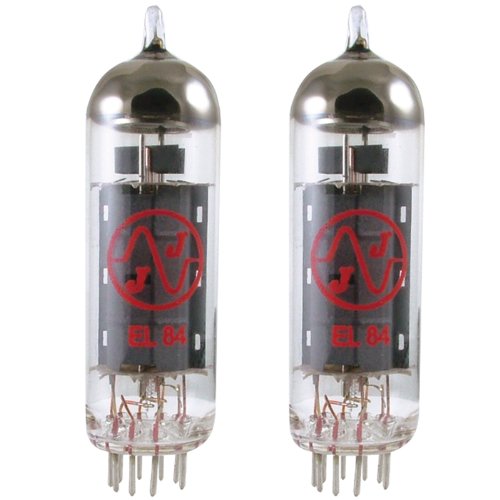
JJ Electronics EL84 tube replacement for guitar amps
JJ Electronics
Budget
Hxeredue YuanKanJu Vacuum Tube Set for Fender Vibro-Champ XD
AP Tubesets
Mid-Range
JJ 6L6GC Power Vacuum Tube pair
TubeDepot
Mid-Range
12AX7 / ECC83 JJ Electronics (4-pack) regular pin
JJ Electronic
Mid-Range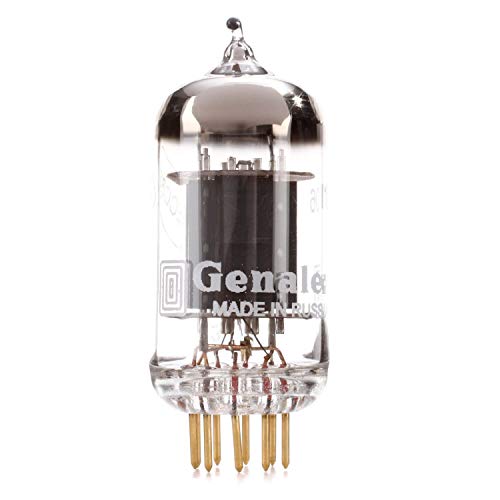
12AX7 ECC83S Genalex Gold Lion tube - single
Genalex Gold Lion
Mid-Range
Vacuum Tube Set for Fender Super Champ X2
Kelecuia
Mid-Range
JJ 6V6 Matched Pair Power Vacuum Tubes by Ruby
Ruby
Mid-Range
PSVANE Horizon Series 12AT7-AT ECC81 Vacuum Tube Pair
PSVANE
Mid-Range
JJ Electronics EL84 tubes for guitar amps
JJ Electronic
Mid-Range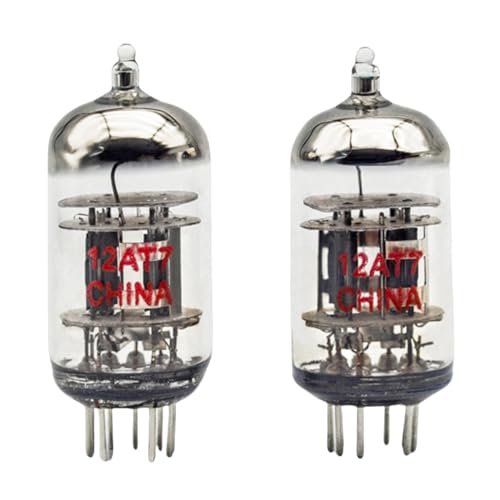
Matched Pair ShuGuang 12AT7 ECC81 Vacuum Tube Amplifier (2024 Upgrade) with Original Box
AMPTATA
Budget
Electro-Harmonix 12AX7 Matched Pair guitar tubes
Electro-Harmonix
Mid-Range
12AX7/ECC83 Gold Pins Preamp Tube
Genalex Gold Lion
Mid-Range
JJ 6L6 Matched Pair Power Vacuum Tube
Ruby
Mid-Range
JJ Electronics T-6V6-S-JJ-MP Vacuum Tube
JJ Electronic
Mid-Range
Matched Pair ShuGuang 12AU7 ECC82 Vacuum Tube Amplifier
AMPTATA
Budget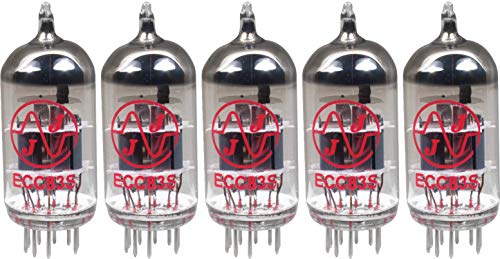
12AX7 / ECC83 JJ Electronics (5-pack) – Regular pin
JJ Electronic
Mid-Range
JJ Electronics EL34/6CA7 matched pair vacuum tubes
JJ Electronic
Mid-Range
JJ Electronics EL84 Vacuum Tube - Burned-in Matched Pair
JJ Electronic
Mid-Range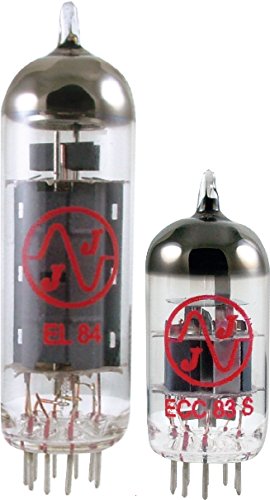
Vacuum Tube Set for Epiphone Valve Jr, JJ Brand
AmplifiedParts
Mid-Range
PSVANE Horizon Series 12AU7-AT / ECC82 Vacuum Tube (Matched Pair)
PSVANE
Mid-Range
Plate Current Matched Pair 6L6GC Vacuum Tubes (2) JJ/Tesla Electronics
JJ Electronic
Mid-Range
PSVANE Horizon Series 12AX7-AT / ECC83 Vacuum Tube (2 Pack)
PSVANE
Mid-Range
Matched Pair ShuGuang 12AX7B ECC83 Vacuum Valve Tube
AMPTATA
BudgetRoundups
Frequently Asked Questions
How do I choose the right tube type for my guitar amplifier?
Match the tube designation (12AX7, EL34, 6L6, 5AR4, etc.) to the amp's manual or the existing tubes; preamp and power tubes are not interchangeable, and physical pinout and heater voltage must match the amp's socket and specifications
Should I buy new production tubes or vintage/ NOS tubes?
New production tubes from reputable makers offer consistent performance and availability, while NOS (new old stock) tubes may have unique tonal characteristics but variable reliability and ; choose based on tolerance for tonal variation and long-term replacement needs
How much should I budget for quality replacement tubes?
Replacement tubes commonly range from budget options under $50 to premium models over $200 each, with most quality preamp and power tubes falling between about $40 and $150; consider buying matched sets for power tubes, which cost more than single tubes
What does 'matched set' mean and do I need one?
A matched set means power tubes are tested and paired for similar gain and characteristics to minimize bias drift and hum; matched sets are recommended for push-pull power amp designs to ensure balanced performance and longer tube life
How do I bias my amp after installing new power tubes?
Some amps have fixed bias and require no adjustment; adjustable-bias amps need biasing with a meter or following the manufacturer's procedure (measuring idle current or plate voltage and adjusting bias pot) and should be done carefully or by a qualified technician to avoid damage
How can I tell when a tube needs replacing?
Signs include excessive crackling or microphonics, loss of output or clarity, unstable tone, visible damage or heater failure, and for rectifier or power tubes, increased hum or bias drift; a tube tester or substitution with a known-good tube confirms diagnosis
What care and handling practices extend tube life?
Allow proper warm-up and cool-down times, avoid dropping or touching pins with bare hands, ensure correct ventilation to prevent overheating, use matched sets for power tubes, and replace tubes in pairs or sets when aging to maintain consistent performance