Guitar Distortion & Overdrive Effects
This category covers guitar distortion and overdrive effects pedals and stompboxes used to add grit, sustain, and tonal coloration to electric guitars. It includes 134 indexed products across budget through premium price tiers (average about (price varies)), with top brands like BOSS represented
Top Products

Donner Distortion Guitar Pedal – 3-mode turbo distortion
Donner
Budget
JOYO Crunch Distortion pedal for electric guitar
JOYO
Budget
BOSS SD-1 SUPER Overdrive Pedal
BOSS
Mid-Range
JOYO Ultimate Drive Overdrive Pedal JF-02 for electric guitar
JOYO
Budget
SonicaKE Overdrive Guitar Pedal Mini Centaur Three Sounds
SONICAKE
Mid-Range
JOYO Distortion Vintage Tube AC30 Amp Simulator Pedal
JOYO
Mid-Range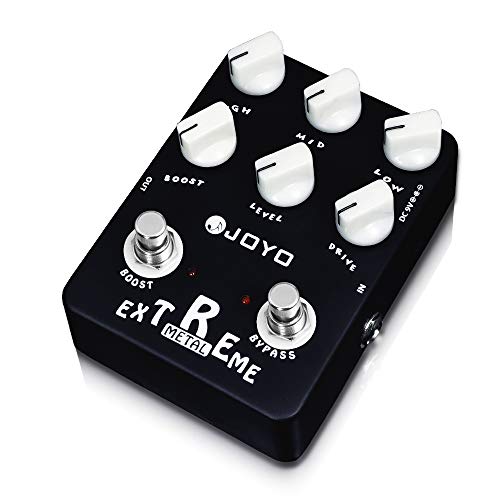
JOYO Extreme Metal distortion pedal with 3-band EQ
JOYO
Mid-Range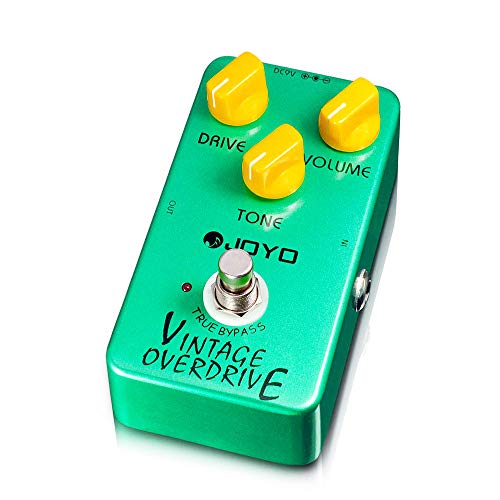
JOYO Vintage Overdrive Pedal JF-01
JOYO
Budget
JOYO Flanger Pedal JF-07 for Electric Guitar
JOYO
Budget
JOYO Tremolo Effect Pedal JF-09
JOYO
Budget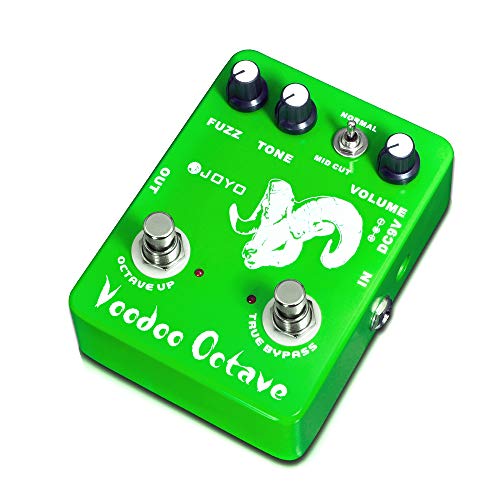
JOYO Octave Fuzz Pedal with Mid-cut for Electric Guitar
JOYO
Mid-Range
JOYO California Sound Overdrive Distortion Pedal
JOYO
Mid-Range
JOYO British Rock Overdrive Pedal (Brit-Rock Era Bluesbreaker) JF-16
JOYO
Mid-Range
Ibanez Tube Screamer Mini Pedal
Ibanez
Mid-Range
SonicaKE Distortion Guitar Pedal – mini high gain, 2 modes
SONICAKE
Mid-Range
AZOR Digital Reverb Guitar Pedal Hall & Church
AZOR
Budget
JOYO UZI Distortion Pedal R Series for Electric Guitar
JOYO
Mid-Range
JOYO Tauren R-01 Overdrive Distortion Pedal for guitar
JOYO
Mid-Range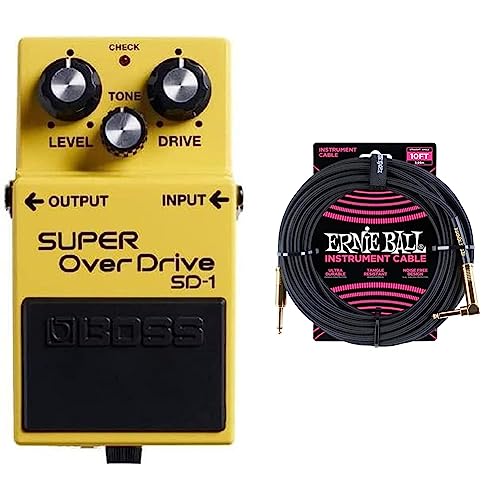
Boss SD-1 Overdrive Pedal & Braided 10ft Instrument Cable
BOSS
Mid-Range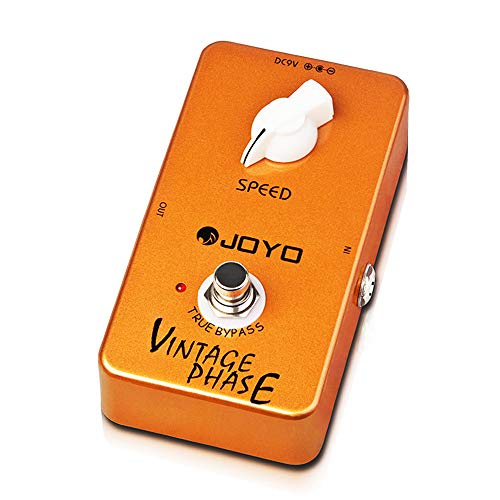
JOYO Vintage Phase Pedal JF-06 for Electric Guitar
JOYO
Budget
JOYO Baatsin 8-in-1 analog OD/DS pedal (R-11) for electric guitar
JOYO
Mid-Range
JOYO R Series Dual Channel Overdrive Pedal
JOYO
Mid-Range
SONICAKE Overdrive Pedal - Analog Tube-Style OD
SONICAKE
Budget
VSN Heavy Metal Muff Distortion Pedal - true bypass, earphone output
VSN
BudgetRoundups
Frequently Asked Questions
How do I choose between distortion, overdrive, and fuzz pedals?
Distortion pedals produce compressed, aggressive clipping for high-gain tones; overdrive emulates amp break-up with dynamic response and smoother clipping; fuzz creates heavily saturated, synth-like clipping and octavey textures. Choose based on the style you play (metal/hard rock = distortion, blues/rock = overdrive, vintage/experimental = fuzz) and how much touch sensitivity you want
What are the most important controls and features to look for?
Key controls include gain/drive (amount of clipping), level/volume (output), and tone/EQ (bass/mid/treble or a single tone knob). Additional useful features are true-bypass switching, buffer option, presence or contour controls for midrange shaping, and a dedicated power input (9V DC common) or battery compartment
How should I budget for a good distortion/overdrive pedal?
Prices vary widely: budget pedals are often under $50, mid-range commonly falls between $50 and $150, and boutique or feature-rich pedals can exceed (price varies). The category average price is roughly around $90, but sound preference and build quality matter more than price alone
Will a distortion or overdrive pedal work with my amp and other pedals?
Yes, they work with most electric guitars and amps, but placement affects tone: overdrives often go before modulation and time-based effects to push the amp, while some players place distortion before modulation too. Consider the pedal’s output level and whether your rig needs a buffer to preserve high-frequency clarity when using many true-bypass pedals
What power options and current draw should I check before buying?
Most pedals use a 9V DC center-negative adapter; check the manufacturer’s stated current draw (mA) to ensure your power supply can handle it. Some pedals require higher voltages (e.g., 12V or 18V) or include internal battery options—confirm compatibility with your existing power rig
How do I maintain and extend the life of a distortion/overdrive pedal?
Keep the unit dry and clean, use a regulated power supply rather than batteries when possible, avoid unplugging cables under load, and periodically check jack and switch connections for wear. Store with knobs protected and remove batteries if storing long-term to prevent leakage
What should I listen for when comparing pedals in this category?
Compare how the pedal responds to pick attack and guitar volume changes (dynamics), the character of the midrange and harmonic content, noise floor at higher gain settings, and how well it stacks with your amp and other pedals. Try A/B tests with the same guitar and amp settings to isolate differences