Guitar Signal Path & Pedal Tuners
This category covers guitar signal-path devices and pedal tuners, including stompboxes, buffer/loopers, and chromatic/tuner pedals for electric and acoustic setups. It aggregates 26 products averaging 4.49 stars, with prices from $33 to $330 and brands like BOSS represented
Top Products

Clip-on chromatic tuner TU-10-BK by BOSS
BOSS
Budget
ABY Pedal A/B Switch - Guitar Signal Splitter/Switcher
Rock Stock
Mid-Range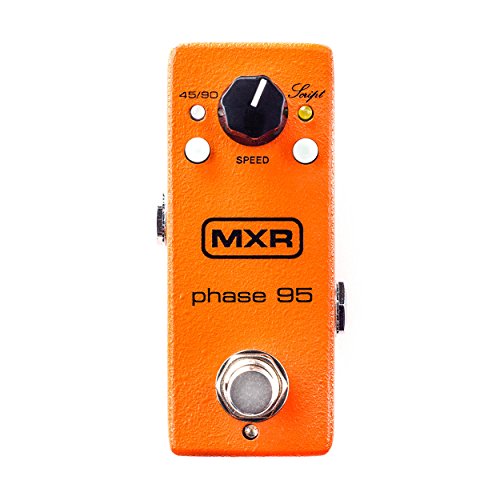
MXR Phase 95 Mini guitar pedal
MXR
Mid-Range
SONICAKE Junction Box for TRS stereo 4-channel pedal line
SONICAKE
Budget
SonicaKe Multifunctional Pedal with AB Line Selection Loop Buffer
SONICAKE
Mid-Range
Nano Tuner Pedal for guitar, bass & mandolin
Rock Stock
Mid-Range
Boss TU-3 Chromatic Tuner Pedal Bundle
BOSS
Mid-Range
Pedal-Booster Combo Kit
Pedaltrain
Mid-Range
HOTONE Volume Expression pedal 2-in-1 passive guitar pedal
HOTONE
Mid-Range
Electro-Harmonix Bad Stone Phase Shifter Pedal
Electro-Harmonix
Mid-Range
JHS Little Black Buffer Guitar Signal Buffer
JHS Pedals
Mid-Range
Korg ST1K Tuner for Analog and Modular Synthesizers
Korg
Mid-Range
Boss BF-3 Flanger Guitar Effects Pedal
BOSS
Mid-Range
MXR JIM DUNLOP EQ pedal M196
MXR
Mid-Range
Boss TU-3 Chromatic Tuner Pedal Bundle
BOSS
Mid-Range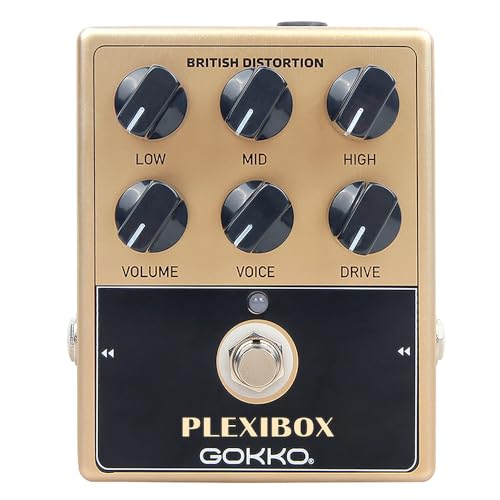
AMPLI PEDAL PLEXIBOX GK-36 - Analog British Tone
GOKKO
Mid-Range
The Bright Switch: USB Light & 9V Pedal Power Station
Rock Stock
Mid-Range
HOTONE Wah Active Volume Pedal 4-in-1 with Expression Switch
HOTONE
Mid-Range
Korg Pitchblack XS Bass Pedal Tuner
KORG
Mid-Range
TC Electronic PolyTune 3 Noir Mini Polyphonic Tuning Pedal
TC Electronic
Mid-Range
Boss GE-7 7-band EQ Pedal & NS-2 Noise Suppressor Pedal
BOSS
Premium
HOTONE 4-in-1 pedal with buffer, tuner, and expression
HOTONE
Mid-Range
Boss OC-5 Octave Pedal
BOSS
Premium
Boss PS-6 Harmonist Bundle
BOSS
PremiumRoundups
Frequently Asked Questions
How do I choose between a pedal tuner and a rack/inline tuner for guitar signal chains?
Choose a pedal tuner if you want stage-friendly foot control and buffer/true-bypass options; choose an inline or rack tuner if you need front-of-chain accuracy for silent tuning or a permanent studio/rig installation. Consider whether you need mute/tuning-out capability, stomp control, and where the tuner will sit in your signal path for optimal accuracy
What tuning accuracy and response should I look for in a guitar pedal tuner?
Look for tuners with at least ±1 cent accuracy and fast detection/response for live use; many compact pedal tuners advertise ±0.1–1 cent for reference, but practical accuracy around ±1 cent is common and sufficient for most guitar work. Also check whether the tuner supports high-visibility displays and strobe mode if extreme precision is required
Does a tuner affect my tone or signal level, and where is best to place it in the signal chain?
A buffered tuner can affect impedance and preserve signal clarity when placed before other pedals; a true-bypass tuner minimizes tone coloration when off. Common placement is first in the chain to tune silently and maintain consistent impedance, or in the amplifier loop for quieter tuning without affecting front-end effects
What power options should I expect and how will they impact performance?
Most pedal tuners run on a standard 9V DC adapter or a single 9V battery; true-bypass models often include battery compartments while some compact units omit batteries. Using a regulated adapter with correct polarity avoids noise and ensures stable LED/display brightness; power consumption is generally low but varies by display type (LED vs. backlit LCD)
Which features matter for live performance versus studio use?
For live use prioritize bright/high-contrast displays, mute/engage footswitching, and fast response; for studio use prioritize accuracy modes (strobe), selectable reference pitch, and low-noise operation. Compact size and durability are helpful for both contexts
Are there common compatibility issues with 7-string, baritone, or alternate tunings?
Many tuners support extended-range and alternate tunings but check specifications for lowest detectable note and selectable reference pitches; some cheap tuners may struggle with very low baritone or 7-string low B notes. If you use drop tunings or non-standard scales, confirm the tuner lists support for those ranges or has configurable reference frequency
How should I care for and maintain a pedal tuner to ensure long life?
Keep the unit dry and clean, use a regulated power supply with correct polarity, and remove batteries when storing long-term to prevent leakage. Periodically check input/output jacks and footswitch operation; avoid rough drops and store in a padded case when transporting