Guitar Slides
Guitar slides are cylindrical or tapered finger covers used to play smooth, sustained notes on electric and acoustic guitars; materials include glass, metal, and ceramic. This Electronics & Gadgets category indexes 14 products (avg rating 4.36) with mid-range pricing (about $33–$40) and brands like Black Mountain and Shubb
Top Products
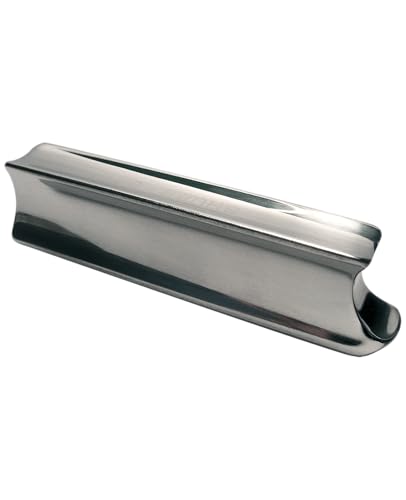
Shubb SP1 Guitar Steel Slide, Stainless Steel, 5 oz
Shubb
Budget
Shubb Guitar Steel Slide with Hardwood Grip
Shubb
Mid-Range
The Rock Slide Green Glass Slide - Medium
The Rock Slide
Budget
Shubb GS1 Guitar Steel Slide with Wooden Handle
Shubb
Mid-Range
Dunlop Moonshine & 222 Brass Guitar Slides, Medium
Jim Dunlop
Budget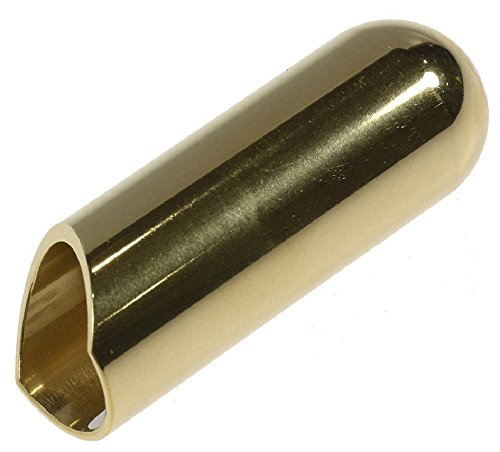
The Rock Slide Polished Brass Balltip Slide - Small
The Rock Slide
Budget
Black Mountain Nickel-Plated Guitar Slide with Spring-Arm (Small)
Black Mountain
Mid-Range
Black Mountain Tungsten Slide Ring for guitar
Black Mountain
Mid-Range
Black Mountain Ultra-Smooth Guitar Slides Nickel Plated
Black Mountain
Mid-Range
Black Mountain Nickel-Plated Spring-Fit Guitar Slide
Black Mountain
Mid-Range
Black Mountain Nickel-Plated Adjustable Guitar Slide
Black Mountain
Mid-Range
Black Mountain Tungsten Slide Ring
Black Mountain
Mid-Range
Black Mountain Nickel-Plated Guitar Slide with Spring-Arm (Small)
Black Mountain
Mid-Range
The Rock Slide Aged Brass Slide - Extra Large
The Rock Slide
BudgetRoundups
Frequently Asked Questions
How do I choose the right material for a guitar slide (glass, metal, ceramic, or nylon)?
Choose material by tone and feel: glass gives warm, smooth tones and a faster feel; metal (steel or brass) produces brighter, louder, and more sustain; ceramic balances warmth and brightness; nylon or Delrin is quieter and gentler on strings. Consider your guitar type and playing style—lighter, smoother slides suit fingerstyle and acoustic, heavier metal slides suit electric and aggressive playing
What sizes and fit options should I consider when buying a slide?
Slides come in different inner diameters and lengths; measure the finger you’ll use and allow a snug but comfortable fit that won’t spin while playing. Shorter slides give more control and partial-slide techniques, while longer slides allow covering multiple strings and open tunings; many brands offer different diameters for index, middle, or ring fingers
Are there budget considerations and typical price ranges for guitar slides?
Guitar slides are available across a wide range — budget options commonly fall under $50, while higher-end or specialty slides may cost more. Material, brand, and craftsmanship affect price, so compare feel and tone rather than only cost
How should I maintain and care for a guitar slide to prolong its life?
Keep slides clean and dry after use to prevent corrosion (for metal) or surface wear (for glass/ceramic); wipe down with a soft cloth and store in a protective pouch. For metal slides, occasional polishing can remove tarnish; check for chips or sharp edges on glass or ceramic that could damage strings
What are the key tonal and playability differences between thick and thin-walled slides?
Thick-walled slides generally produce more sustain and a fuller, louder tone due to greater mass, while thin-walled slides tend to be lighter with a brighter, more immediate attack. Wall thickness also affects weight and balance—heavier slides suit sustained lead lines, lighter slides favor agility and subtlety
Can I use any slide on acoustic and electric guitars, or are there recommended options?
Most slides work on both acoustic and electric guitars, but material choice impacts suitability: glass and ceramic often pair well with acoustic warmth, while metal slides complement electric guitars for cutting tone and sustain. Also consider string gauge and action—higher action and heavier strings tolerate slides better
How do I know if I should choose a full-length slide or a short/partial slide?
Pick a full-length slide if you plan to cover entire fretboard notes and use standard slide technique; choose a short or partial slide for hybrid techniques where you need to fret behind the slide or play normally with the same finger. Your preferred playing style and the tunings you use will guide the choice