Handheld Wireless Microphones & Systems
Handheld wireless microphones and systems for live sound, presentations, and recording, including single mics, dual handheld kits, and receiver packs. The 304 indexed products span budget through premium options (avg $144) and feature brands like Shure alongside newer makers such as Bietrun
Top Products

Bietrun Wireless Microphone System (UHF) with Rechargeable Receiver
Bietrun
Mid-Range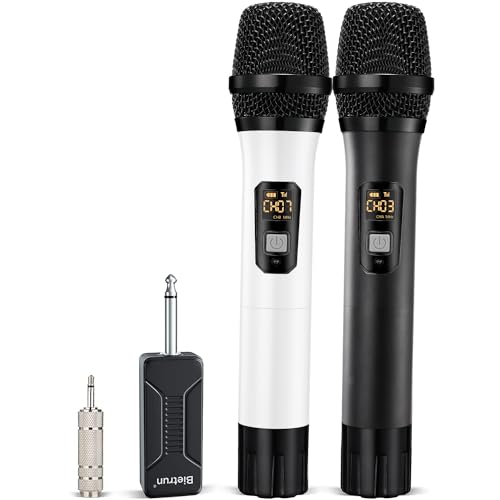
Wireless UHF handheld mic system with rechargeable receiver
Bietrun
Mid-Range
Bietrun Wireless Microphone System with Rechargeable Receiver
Bietrun
Mid-Range
Wireless UHF handheld mic system with rechargeable receiver
Bietrun
Mid-Range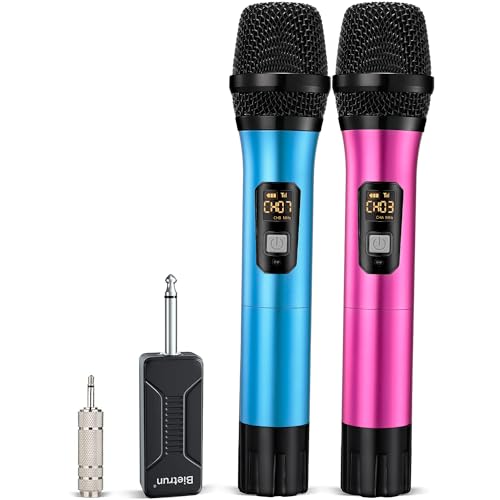
Wireless UHF handheld mic system with rechargeable receiver
Bietrun
Mid-Range
Wireless UHF Dual Handheld Mic System with Rechargeable Receiver
Bietrun
Mid-Range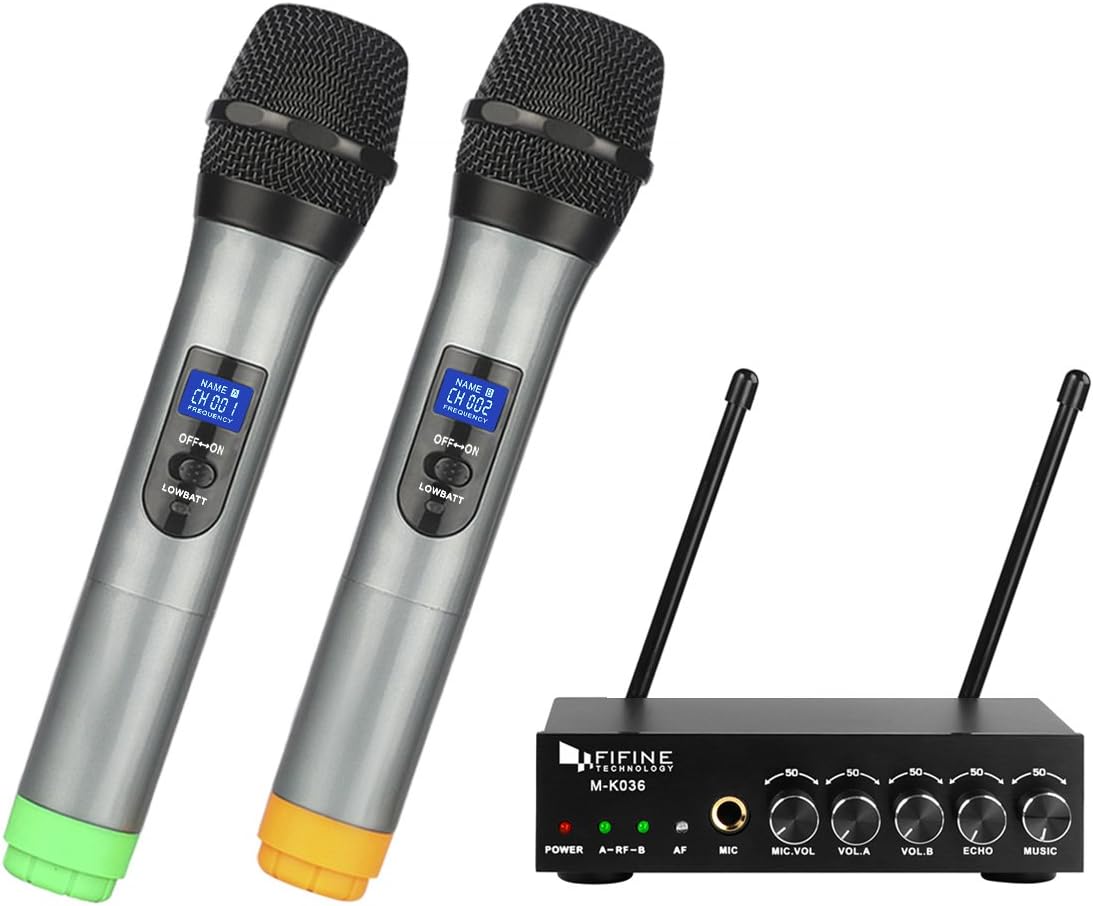
FIFINE UHF Dual-Channel Wireless Handheld Microphone System
FIFINE
Mid-Range
Bietrun wireless handheld microphone with 160 ft range
Bietrun
Budget
Bietrun XLR Wireless Microphone Set (UHF Dual, 160 ft, Rechargeable Receiver)
Bietrun
Mid-Range
Wireless UHF dual microphone system for karaoke
HWWR
Mid-Range
Wireless Microphones K602-BW Dual Karaoke System
talomen
Budget
TONOR Wireless UHF Dual Microphone System
TONOR
Mid-Range
DJI Mic 2 Transmitter wireless microphone
DJI
Mid-Range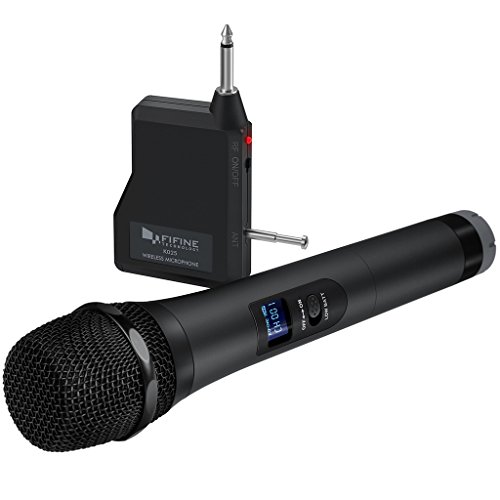
Wireless handheld dynamic mic system for karaoke and parties
FIFINE TECHNOLOGY
Budget
StageSound 5-in-1 Wireless Karaoke Microphone
StageSound
Mid-Range
Bietrun Wireless UHF Microphone with Rechargeable Battery
Bietrun
Mid-Range
TAKSTAR 2-in-1 Wireless Microphone & Voice Amplifier
TAKSTAR
Mid-Range
TAKSTAR 2-in-1 Bluetooth handheld mic & voice amplifier
TAKSTAR
Mid-Range
Wireless Bluetooth Karaoke Microphone 5-in-1
StageSound
Mid-Range
Bietrun Wireless Microphone Set, UHF Dual Handheld
Bietrun
Budget
Bietrun Wireless Microphone System with Echo, Treble, Bass, Bluetooth
Bietrun
Mid-Range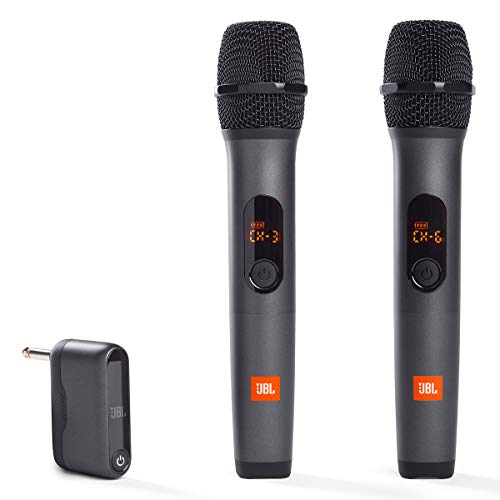
JBL wireless dual-channel microphone system with receiver
JBL
Mid-Range
Wireless microphone system 2.4G dual handheld with receiver
talomen
Budget
LEKATO Wireless Microphone Dual System
LEKATO
Mid-RangeRoundups
- Best Handheld Wireless Microphones & Systems for Public Speaking (2026)
- Best Handheld Wireless Microphones & Systems for Church Services (2026)
- Best Handheld Wireless Microphones & Systems for Party Singing (2026)
- Best Handheld Wireless Microphones & Systems for Weddings (2026)
- Best Handheld Wireless Microphones & Systems for Karaoke (2026)
- Best Handheld Wireless Microphones & Systems Under $200 (2026)
- Best Handheld Wireless Microphones & Systems Under $100 (2026)
- Best Handheld Wireless Microphones & Systems Under $50 (2026)
- Best Handheld Wireless Microphones & Systems (2026 Guide)
Frequently Asked Questions
How do I choose between a wired handheld microphone and a wireless handheld system?
Choose wired for simplicity, lower cost, and zero RF interference; choose wireless for mobility and stage freedom. Consider venue size, need for movement, and potential radio-frequency congestion when deciding
What wireless system features matter most for live performance or presentations?
Key features are reliable RF transmission (frequency range and diversity/dual-channel operation), battery life and indicators, microphone capsule type (dynamic vs condenser), and receiver connectivity options (XLR, 1/4"). Look for systems with frequency scanning and adjustable gain for varied environments
How much should I expect to spend and what do different price ranges generally offer?
Entry-level systems commonly fall under $100 and typically offer basic one-channel wireless and limited range; mid-range systems (roughly $100–$300) add better RF stability, longer battery life, and improved capsules; professional systems over $300 tend to include multi-channel receivers, advanced interference management, and higher-quality capsules
Are rechargeable batteries or disposable batteries better for wireless handheld microphones?
Rechargeable batteries reduce long-term cost and waste and are convenient when paired with a charger or integrated charging dock; disposable alkaline batteries offer easy replacement and longer shelf life for infrequent use. Choose based on usage frequency, access to charging, and total cost of ownership
What microphone capsule type should I pick for vocals versus spoken word?
Dynamic capsules are robust and handle high sound pressure well, making them a good general choice for vocals and live stages; condenser capsules are more sensitive and capture more detail, often preferred for studio vocals and spoken word in controlled environments
How do I avoid interference and dropouts with wireless microphone systems?
Select frequencies with low local RF congestion, use systems with automatic channel scanning or frequency diversity, keep line-of-sight between transmitter and receiver when possible, and maintain adequate distance from other wireless devices and large metal obstructions
What regular maintenance and care do handheld wireless microphones need?
Regularly clean the grille and windscreen, check and replace worn foam, keep battery contacts clean, store units in protective cases, and periodically verify transmitter and receiver firmware and connections to ensure reliable operation