Headphone Extension Cords
Extension cords and adapters for headphones and audio gear, including stereo extension cables, headphone extension reels, and balanced audio leads. The category lists 14 products across budget to mid-range prices (average ~(price varies)) and features brands like Shure
Top Products

Shure MMCX replacement cable for SE earphones, 64 inches, black
Shure
Mid-Range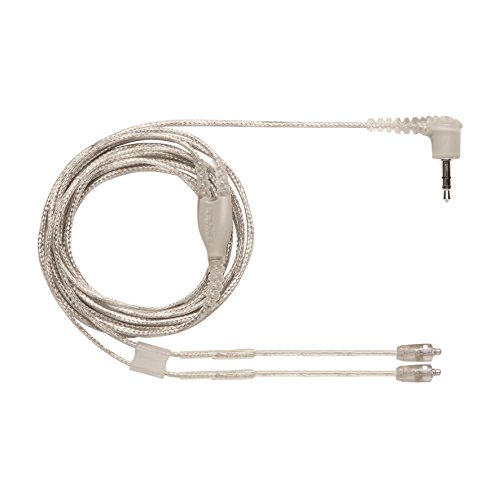
Shure MMCX replacement cable 46in crystal clear
Shure
Mid-Range
Shure 64-inch detachable earphone cable for SE-series
Shure
Mid-Range
NewFantasia 4.4mm Balanced Cable for Sennheiser with 6N OCC Copper
NewFantasia
Budget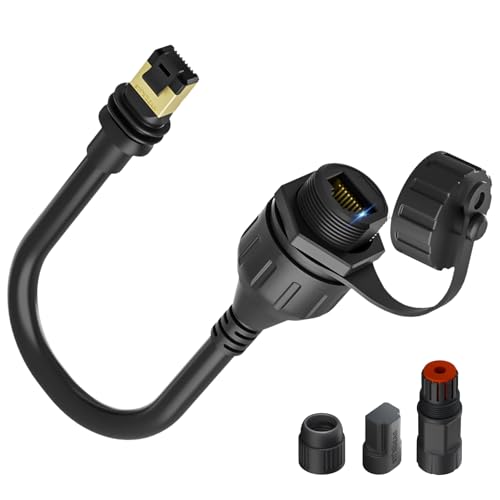
Starlink Ethernet Adapter for Gen 3/Mini
STARGEAR
Budget
Linsoul Tripowin Nova monitor headphone cable 4.4mm/3.5mm dual-plug, 2m, OCC hybrid
Linsoul
Budget
Elite Core wired body pack with passive volume control
Elite Core
Budget
NewFantasia 4.4mm OCC Copper Silver Plated Cable for Sennheiser HD series
NewFantasia
Mid-Range
NewFantasia 4.4mm Balanced Cable for Sennheiser HD headphones
NewFantasia
Budget
Starlink Gen 3 Flat Ethernet Cable 32.8ft
EAZUSE
Mid-Range
Linsoul DUNU Lyre Mini 24AWG OCC Earphone Cable 2Pin
Linsoul
Mid-Range
Starlink Gen 3 Cable 150FT/64M, Waterproof Ethernet Extension (Yolesty)
Yolesty
Mid-Range
NICEHCK FirstTouch IEM Cable – 6N OFC Silver-Copper Alloy
NICEHCK
Budget
MEZE AUDIO 99 Series Silver Plated 2.5mm Balanced Headphone Cable
MEZE AUDIO
Mid-RangeRoundups
- Best Headphone Extension Cords for Home Listening Setup (2026)
- Best Headphone Extension Cords for Studio Monitoring (2026)
- Best Headphone Extension Cords Under $200 (2026)
- Best Headphone Extension Cords Under $100 (2026)
- Best Headphone Extension Cords Under $50 (2026)
- Best Headphone Extension Cords (2026 Guide)
Frequently Asked Questions
How do I choose the right length and connector type for a headphone extension cord?
Measure the distance between your audio source and listening position and pick a length that avoids tight stretches; common lengths are 3–25 feet. Match the connector types and sizes (3.5mm TRS, 6.35mm/1/4" TRS, TRRS for headsets, or XLR for balanced rigs) and check whether you need male-to-female, male-to-male, or gender adapters
Will an extension cord affect sound quality or introduce noise?
Short and well-built extension cords typically have negligible impact, but very long unshielded cables can add capacitance that slightly rolls off high frequencies and increase susceptibility to interference. Choose cables with adequate shielding and, for high-impedance or professional gear, consider balanced (TRS/XLR) extensions to minimize noise
What materials and build features should I look for to ensure durability?
Look for strain relief at the connectors, molded or metal housings, braided or thick jacketed cables, and gold- or nickel-plated plugs for corrosion resistance. Reinforced ends and flexible jackets reduce breakage from bending and repeated plugging
Are there compatibility concerns with TRRS headset controls or microphone lines?
Yes—TRRS connectors carry microphone and control signals in addition to stereo audio, and not all TRRS pinouts match across devices. Use an extension explicitly labeled for TRRS/headset use or confirm the wiring standard (CTIA vs OMTP) to preserve mic and inline control functionality
Can I use an unbalanced 3.5mm extension with studio equipment that uses balanced outputs?
No—unbalanced 3.5mm extensions do not carry balanced signals correctly and can cause phase and noise issues. For balanced connections use appropriate balanced cables/adapters such as 1/4" TRS or XLR extensions
How should I care for and store headphone extension cords to maximize lifespan?
Avoid tight coils and sharp bends; loosely loop cables using the over-under method, keep them dry and away from heat, and unplug by gripping the plug rather than pulling the cable. Regularly inspect connectors for corrosion or loose fit and replace if damaged
What price range should I expect and how does cost relate to performance?
Headphone extension cords typically span budget options under $20 to higher-end or specialty balanced adapters upwards of $50–$100; higher cost usually reflects better materials, shielding, connectors, and build quality rather than dramatic audio improvements for casual use