Home Audio Subwoofers
Home audio subwoofers are dedicated low-frequency speakers designed to add bass depth to home theater and music systems, with options from compact sealed units to large ported enclosures. This Electronics & Gadgets niche lists 66 products averaging 4.46 stars, spanning budget through premium price points (avg $356) and includes brands like Klipsch
Top Products
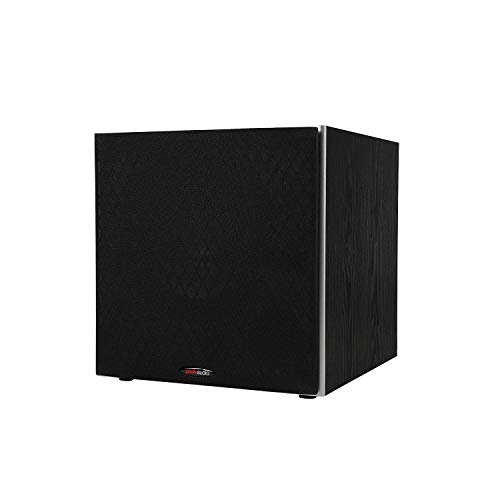
Polk Audio PSW10 10" Powered Subwoofer
Polk Audio
Premium
Klipsch R-100SW 10" Subwoofer
Klipsch
Premium
Klipsch R-120SW Subwoofer, Black
Klipsch
Premium
Klipsch Synergy Black Label Sub-100 10in Front-Firing Subwoofer
Klipsch
Premium
Klipsch Synergy Black Label Sub-120 12-in Front-Firing Subwoofer
Klipsch
Premium
Polk Monitor XT10 Subwoofer
Polk Audio
Premium
Yamaha 10" 100W Powered Subwoofer NS-SW100BL
Yamaha
Premium
Klipsch SUB-100-BLACK Synergy Subwoofer
Klipsch
Premium
Dayton Audio SUB-800 8" Powered Subwoofer
Dayton Audio
Mid-Range
Edifier T5 powered subwoofer with 8" driver
Edifier
Premium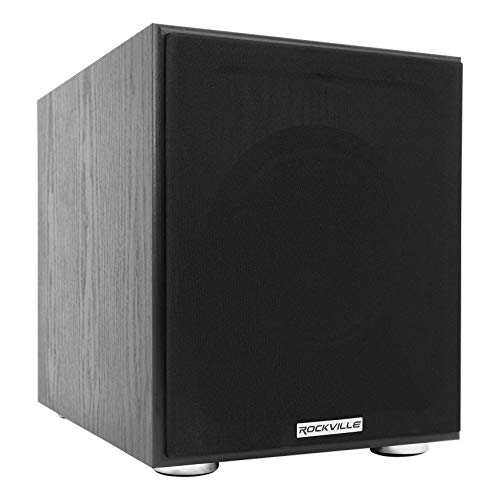
Rockville 8" Powered Subwoofer (Rock Shaker 8) 400W sub with RCA/speaker inputs
Rockville
Mid-Range
Rockville 8-inch powered subwoofer with wooden enclosure
Rockville
Mid-Range
Rockville Rock Shaker 8-Inch 400W Subwoofer
Rockville
Mid-Range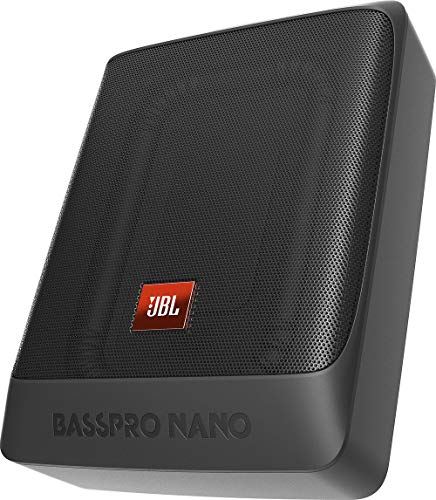
JBL BassPro Nano 6" Powered Subwoofer
JBL
Premium
Rockville Rock Shaker 6.5" 200W Subwoofer
Rockville
Mid-Range
Klipsch R-8SW Surround Subwoofer (8-inch, 150W peak)
Klipsch
Premium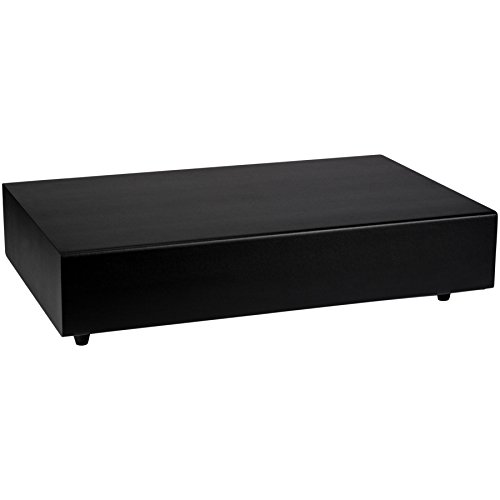
Dayton Audio 10" Low Profile Subwoofer
Dayton Audio
Premium
Rockville 10" powered subwoofer with 600W amp
Rockville
Mid-Range
Dayton Audio SUB-1200 12" Powered Subwoofer
Dayton Audio
Premium
Rockville 8" 400W Powered Subwoofer, Deep Bass, MDF Enclosure
Rockville
Mid-Range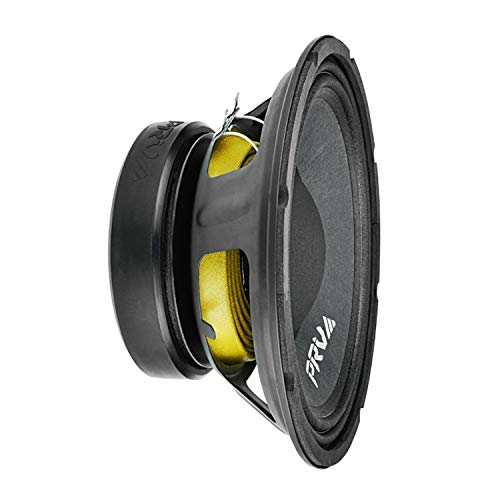
PRV Audio 10 Inch Woofer 650W Pro Audio Speaker
PRV AUDIO
Mid-Range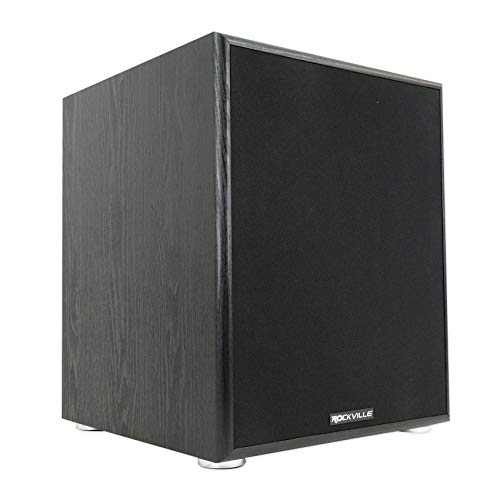
Rock Shaker 12 800W Subwoofer
Rockville
Premium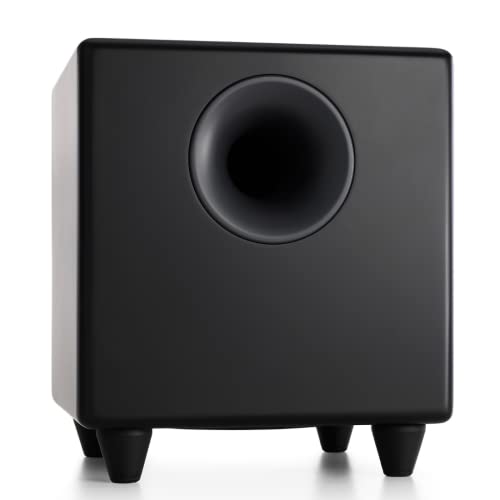
Audioengine S8 Powered Subwoofer Speaker (8-inch, 250W)
Audioengine
Premium
Rockville Rock Shaker 10 Wood Subwoofer
Rockville
Mid-RangeRoundups
Frequently Asked Questions
How do I choose the right subwoofer size and power for my room?
Match subwoofer size and amplifier power to room volume and listening preferences: smaller rooms (under ~200 sq ft) often suit 8"–10" drivers with 100–300 watts, while larger rooms benefit from 12"–15" drivers and 300+ watts. Also consider sealed vs ported enclosures for tighter vs deeper bass and use placement/testing to address room modes
What connections and inputs should I look for to ensure compatibility with my system?
Look for line-level (RCA/LFE) inputs for home theater receivers and speaker-level inputs if you need to connect without a dedicated subwoofer output. Some models include digital inputs, wireless transmitters, or phase and crossover controls to integrate with different speakers and processors
How do I set the crossover, phase, and volume for a smooth blend with my main speakers?
Set the subwoofer crossover near the lower end of your main speakers' frequency response (commonly 60–120 Hz), adjust phase (0/180 or variable) to minimize cancellations at the crossover, and set volume by ear or with a sound level meter so bass balances with the mains without boominess
What are typical price ranges and what should I expect at different budgets?
Entry-level subwoofers are often found under $200 and suit small rooms or casual listening; mid-range units ($200–$800) typically offer better drivers, amps, and build quality; higher-end models above that range focus on very low extension, higher output, and advanced DSP or build materials
Should I choose a sealed or ported subwoofer for music and movies?
Sealed subwoofers provide tighter, more accurate bass preferred for music and smaller rooms, while ported (vented) designs deliver greater low-frequency output and efficiency that often benefit movie soundtracks and larger rooms, at the cost of slightly looser transient response
Do I need multiple subwoofers, and what are the benefits?
Multiple subwoofers can smooth room bass response, reduce nulls and peaks, and allow lower listening levels with consistent bass distribution; two compact subs often outperform one large sub in evenness across the listening area