Home Audio & Theater Products
Home Audio & Theater Products covers speakers, receivers, soundbars, subwoofers and related electronics for home listening and movie setups, with offerings from budget through premium. The category includes 37 indexed products averaging a 4.44 rating and brands like Polk Audio among others
Top Products

Polk Audio RC55i In-Wall Speakers (Pair) 5.25"
Polk Audio
Mid-Range
OSD Outdoor Patio Speaker Pair 150W with Weather Resistance
OSD Audio
Mid-Range
Singing Wood BT27 Powered Bluetooth Bookshelf Speakers
SINGING WOOD
Mid-Range
Pyle 6.5 in-wall / in-ceiling speakers (pair)
Pyle
Mid-Range
Rockville 8" 70V in-ceiling speaker, white
Rockville
Mid-Range
SINGING WOOD BT27 Active Powered Bluetooth Bookshelf Speakers
SINGING WOOD
Mid-Range
Rockville 4" outdoor/indoor wall mount speakers (8-ohm, 360W peak)
Rockville
Mid-Range
Rockville outdoor/indoor wall mount speakers 8-ohm 420W pair
Rockville
Mid-Range
Rockville HP4S-8 4-Inch 360W Outdoor/Indoor Speakers, 8 Ohm
Rockville
Mid-Range
Razer Leviathan V2 X PC Soundbar
Razer
Mid-Range
Rockville RockTower 68B Passive Tower Speaker, 8 Ohm, 3-Way
Rockville
Mid-Range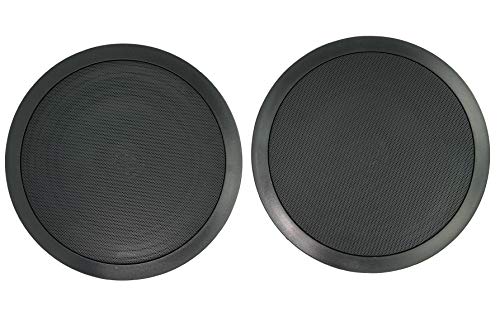
Rockville 8" Commercial Ceiling Speaker 70V 20W
Rockville
Mid-Range
Rockville 6.5" Ceiling Speaker, 70V/8Ω, 20W Tap, Paintable Grill
Rockville
Mid-Range
Rockville CC65T 6.5" 70V Ceiling Speakers (Pair)
Rockville
Mid-Range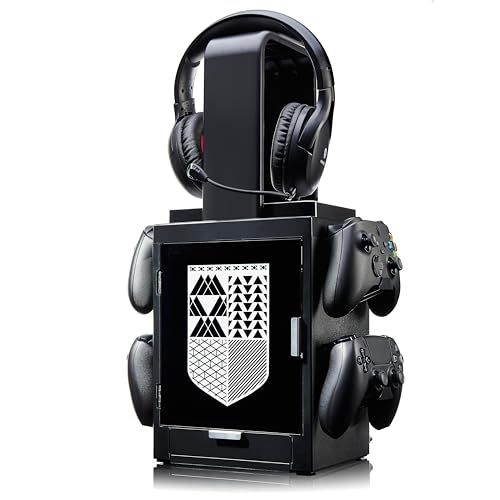
Destiny LED Light Locker for PS4/PS5 & Xbox – Controller & Headset Stand
Numskull
Mid-Range
HiVi-Swans M10 Plus White Bookshelf Speaker System
HiVi-Swans
Mid-Range
OSD Audio 6.5" Outdoor Patio Speaker Pair AP650
OSD Audio
Premium
Rockville MC80 8" Ceiling PA Speakers, 70V/25V, 20W RMS
Rockville
Mid-Range
5 CORE 8" x 16" Outdoor PA Horn Speaker 40W RMS 10Ω
5 CORE
Mid-Range
OSD Audio 6.5
OSD Audio
Premium
Rockville RockTower 68C 3-Way Passive Tower Speakers, 8 Ohm
Rockville
Premium
Gemini Sound outdoor powered Bluetooth speakers (6.5", pair, white)
Gemini Sound
Premium
Victrola S1 Subwoofer: 6.5" front‑firing woofer, 70W amp, Bluetooth 5.0
Victrola
Mid-Range
Rockville 70V 5" Ceiling Speaker with Paintable Grills
Rockville
Mid-RangeRoundups
Frequently Asked Questions
How do I choose the right home audio or theater product for my room size and layout?
Match speaker type and power to room size: compact bookshelf or soundbars suit small rooms, while floorstanding speakers and subwoofers fit medium to large rooms. Check speaker sensitivity and amplifier power to ensure adequate volume, and consider placement (front, surround, or in-ceiling) and room acoustics when planning layout
What features should I prioritize when comparing home audio systems and components?
Prioritize core features like connectivity (Bluetooth, Wi‑Fi, optical, HDMI ARC/eARC), supported audio formats (Dolby Digital, DTS, etc.), amplifier power/output, number of channels, and subwoofer support. Also consider build quality, included cables or mounts, and whether you need streaming, voice control compatibility, or app-based setup and calibration
What is a reasonable budget range for different quality levels in this category?
Budget options for basic speakers and soundbars often fall under $100–$200; mid-range systems and powered bookshelf speakers commonly range from $200–$600; higher-end integrated systems, AV receivers, and multi‑speaker packages typically start around $600 and go upward. Average price across similar products in this niche is roughly in the low hundreds
How important is impedance and power matching between speakers and an amplifier or receiver?
Very important: match speaker impedance (commonly 4–8 ohms) with an amplifier that supports that impedance to avoid poor performance or damage. Ensure the amplifier's continuous RMS power per channel is within the speaker's recommended power handling range for reliable, distortion‑free sound
What maintenance or care keeps home audio equipment performing well over time?
Keep equipment dust‑free, avoid exposing drivers and electronic components to moisture and extreme temperatures, regularly check and tighten connections, and use surge protectors. For speakers, avoid prolonged clipping/distortion and occasionally inspect speaker surrounds and cables for wear
Do I need a subwoofer, and how do I integrate one with my existing system?
A subwoofer is recommended if you want deeper, fuller bass for movies and music; it relieves main speakers of low-frequency duties. Integrate using an LFE or line‑level/subwoofer output on your receiver or processor, set the crossover (typically 80–120 Hz) to blend with your main speakers, and adjust volume and phase for seamless bass response
What connectivity options should I look for to ensure future compatibility?
Look for HDMI ARC/eARC for TV integration, optical/coaxial inputs for legacy sources, Wi‑Fi and Bluetooth for streaming, and analog inputs for older gear. Multiple input types and support for common codecs/formats improve flexibility and future‑proofing