Home Theater Systems
Home theater systems for living rooms and dedicated media rooms, including AV receivers, soundbars, speaker packages, and subwoofers. The 17 indexed products span budget through premium options (average price ~(price varies)) and average a 4.35 rating; notable brands include Sony
Top Products

Acoustic Audio 2.1 Bluetooth Speaker System (AA2172) 2.1-channel
Acoustic Audio by Goldwood
Mid-Range
Saiyin 5.0 Home Theater System with 5.0 channel speakers
Saiyin
Mid-Range
Yamaha 5.1-Channel Home Theater System with Bluetooth
Yamaha
Premium
Rockville TM80D 2x8" Subwoofers, 4 full-range, Bluetooth
Rockville
Premium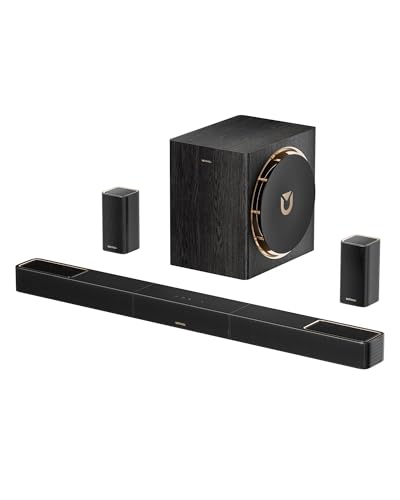
ULTIMEA Skywave X50 5.1.4ch Wireless Surround System
ULTIMEA
Premium
ProCinema 6D compact 5.1 channel home theater system
Definitive Technology
Premium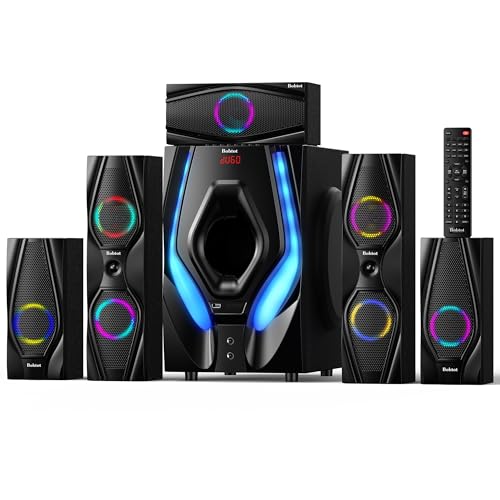
Bobtot 5.1/2.1 Channel Home Theater System with 1200W
Bobtot
Premium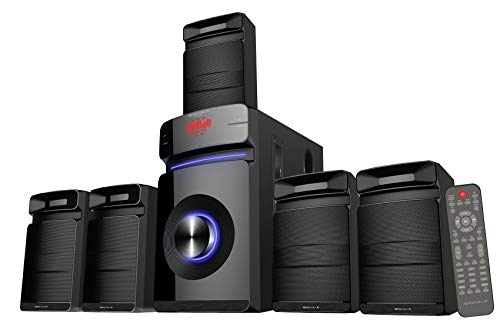
Rockville 5.1 Channel Home Theater System
Rockville
Mid-Range
ULTIMEA Skywave X70 7.1.4ch Wireless Surround System
ULTIMEA
Premium
Rockville HTS820 1500W 5.1 Channel Home Theater System
Rockville
Premium
Yamaha 5.1-Channel Home Theater System with 50W Subwoofer
Yamaha
Premium
Sony BRAVIA Theater Bar 8 Sound Bar with SA-SW5 Subwoofer
Sony
Premium
Sony BRAVIA Theater Bar 9 with SA-SW5 Subwoofer
Sony
Premium
Sony BRAVIA Theater Bar 9 Sound Bar system
Sony
Premium
Sony BRAVIA Theater Quad Home Theater System with SA-SW3 Subwoofer
Sony
Premium
Sony BRAVIA Theater Quad Home Theater System with SA-SW5 Subwoofer
Sony
Premium
Klipsch Reference 5.2 Home Theater System bundle
Klipsch
PremiumRoundups
Frequently Asked Questions
How do I choose the right home theater system for my room size?
For small rooms (under ~200 sq ft) a compact soundbar or 2.1 bookshelf setup provides clear dialogue and modest bass; medium rooms (200–400 sq ft) benefit from a 5.1 receiver-based system or larger soundbar with wireless rear speakers; large rooms or open plans often require a 7.1 or 5.1.4 Dolby Atmos setup and a more powerful AV receiver to achieve even SPL and immersive surround. Measure room dimensions, note seating positions, and match speaker power and dispersion to those factors
What are the features to look for in a home theater system?
Key features include AV receiver support for current surround formats (Dolby Atmos, DTS:X), HDMI 2.0+ inputs with eARC for high-bitrate audio passthrough, sufficient power output per channel, room calibration or EQ, and subwoofer integration for low-frequency extension. Also consider wireless speaker options, streaming app compatibility, and future expandability
How should I budget for a home theater system?
Entry-level systems and compact soundbars typically start in the low hundreds; midrange receiver-based setups with good speakers often fall in the several-hundred to low-thousands range; high-end multi-channel or Atmos systems can exceed that. Given an average category price near (price varies), plan budget to include speakers, an AV receiver or processor, cables, and possible room treatment
Wired or wireless speakers — which is better for home theater?
Wired speakers usually deliver more consistent latency, higher sustained power delivery, and lower cost per performance, making them preferable for primary front and surround channels. Wireless or powered speakers offer easier placement and cleaner installs for rears or zones, but check for audio latency, network stability, and compatibility with your receiver or hub
How important is room acoustic treatment and speaker placement?
Very important: untreated rooms can produce reflections, standing waves, and muddy bass that reduce clarity and imaging. Position front left/right speakers at ear height and angled toward the listening position, center speaker directly under/over the screen, surrounds slightly above ear level, and place the subwoofer where bass is even; add diffusers/absorbers at first reflection points for best results
What maintenance or care do home theater systems require?
Keep electronics dust-free and in a ventilated area to prevent overheating, tighten loose speaker connections periodically, update firmware on receivers and smart components for compatibility and security, and inspect speaker grilles and subwoofer cones for damage; use surge protection to protect components from power spikes
How do I verify compatibility between an AV receiver and speakers?
Match the receiver's power output per channel (RMS watts at specified impedance) with speaker power handling and nominal impedance (usually 4–8 ohms); ensure the receiver provides the necessary channel count and decoding formats for your desired speaker configuration, and confirm available inputs/outputs (HDMI, pre-outs) for sources and subwoofers