Instrument Cables
Instrument cables for guitars, basses and other electric instruments, covering straight and coiled instrument-to-amp leads, patch cables and adapters. The category lists 165 products with an average rating of 4.63 and price range roughly $32–$230, featuring brands like Fender
Top Products

Fender 25ft Instrument Cable, Straight/Angle, Black
Fender
Budget
Fender 15ft Instrument Cable, Straight/Angle, Black
Fender
Mid-Range
Ernie Ball braided instrument cable, 25ft, purple/black
Ernie Ball
Budget
Ernie Ball Braided Instrument Cable, 10ft
Ernie Ball
Budget
Fender Performance Series Microphone Cable
Fender
Budget
Fender Instrument Cable, 18.6ft, Straight/Straight
Fender
Mid-Range
Fender Tweed Instrument Cable 10ft, straight ends
Fender
Budget
Fender Performance Series Instrument Cable
Fender
Mid-Range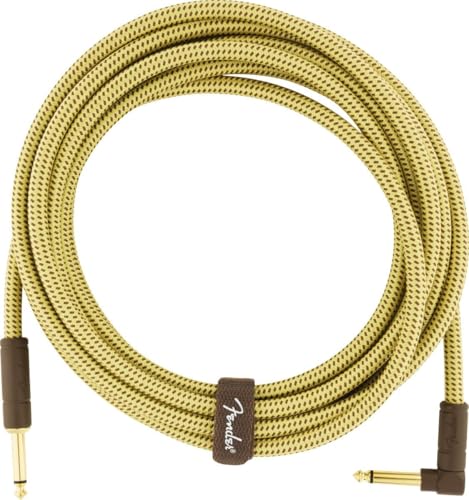
Fender Deluxe Series Instrument Cable, 15ft Tweed
Fender
Mid-Range
Ernie Ball braided instrument cable, straight/angle, 25ft
Ernie Ball
Budget
Braided instrument cable, 18ft, neon green/black
Ernie Ball
Budget
Ernie Ball braided instrument cable – 18ft, neon pink
Ernie Ball
Budget
Ernie Ball braided instrument cable 18ft pumpkin pie (straight/angle)
Ernie Ball
Budget
Ernie Ball braided instrument cable, straight/angle, 18ft
Ernie Ball
Budget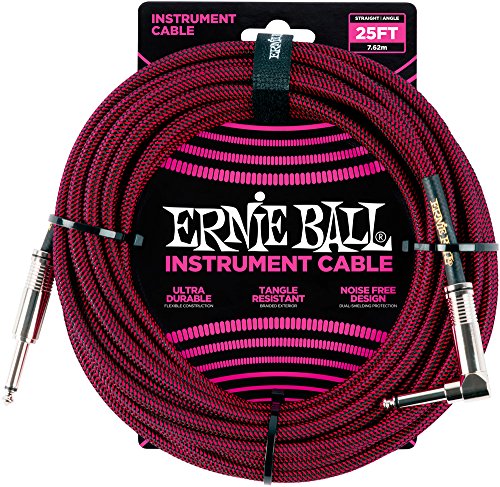
Ernie Ball braided instrument cable, straight/angle, 25ft, red/black
Ernie Ball
Mid-Range
Fender Tweed Instrument Cable, 15ft, Straight/Straight
Fender
Mid-Range
Hosa IRG-600.5 Low-Profile Right-Angle Guitar Patch Cable, 6 Inch (6-Pack)
Hosa
Budget
Fender Tweed Instrument Cable, 18.6 ft, straight/straight
Fender
Mid-Range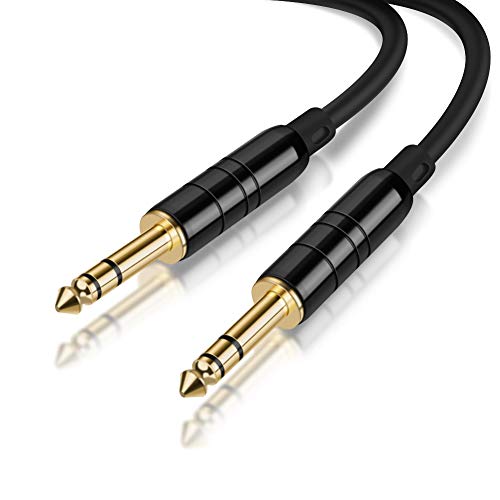
CableCreation 1/4 TRS Cable 2-Pack 50FT 6.35mm Stereo Cable
CableCreation
Mid-Range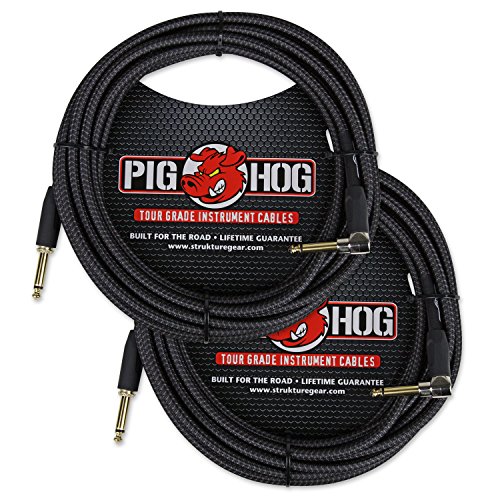
Pig Hog PCH20BKR Black Woven Instrument Cable (2 pack) 20 ft
Pig Hog
Mid-Range
Braided XLR microphone cable, 5ft, black
Ernie Ball
Budget
Ernie Ball braided XLR microphone cable, 15ft, black
Ernie Ball
Budget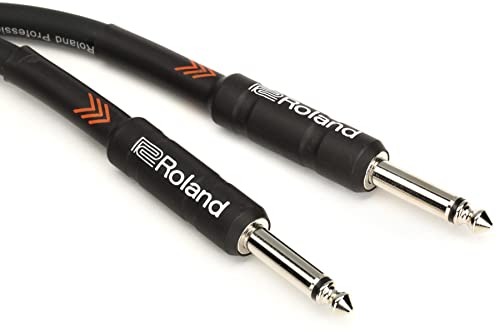
Roland 1/4-Inch Instrument Cable, Straight–Straight, 15 ft
Roland
Budget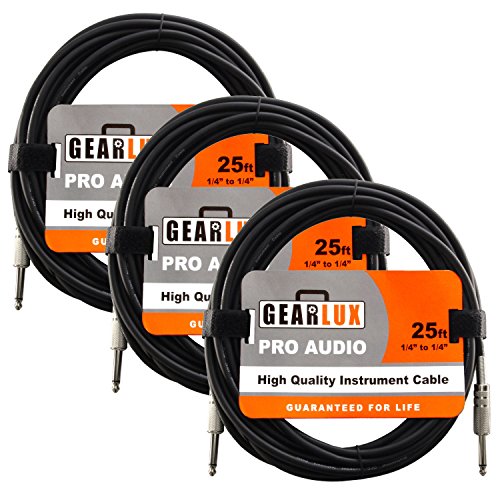
Gearlux 25ft Instrument Cable 3-Pack, 1/4" Straight
Gearlux
BudgetRoundups
- Best Instrument Cables for Pedalboard Connections (2026)
- Best Instrument Cables for Stage Performance (2026)
- Best Instrument Cables for Studio Recording (2026)
- Best Instrument Cables Under $200 (2026)
- Best Instrument Cables Under $100 (2026)
- Best Instrument Cables Under $50 (2026)
- Best Instrument Cables (2026 Guide)
Frequently Asked Questions
How do I choose the right length for an instrument cable?
Pick a length that balances reach and signal quality: shorter cables (3–10 ft) minimize signal loss and noise for pedalboards and close setups, while longer cables (10–25+ ft) give mobility on stage but can introduce capacitance and potential high-frequency roll-off; measure your setup and allow a little slack for movement
What connector types and plugs should I look for?
Most instrument cables use 1/4" TS (tip-sleeve) plugs for guitars, basses, keyboards and many pedals; TRS (tip-ring-sleeve) is used for balanced signals or stereo applications; ensure plugs are solidly built, match the equipment jack size, and consider right-angle plugs for tight spaces like pedalboards
Does cable construction affect tone and durability?
Yes — conductor material (typically copper), shielding type (braid, spiral, or foil), and cable capacitance affect signal clarity and high-frequency response, while strain-relief, soldered or molded plugs, and jacket material determine durability and resistance to kinks or wear
Are expensive or premium cables worth the price?
Higher-priced cables often offer better shielding, lower capacitance, superior connectors, and longer warranties, which can reduce noise and last longer; for short runs and casual use a midrange cable may suffice, while professionals or long runs may benefit more from premium construction
How should I care for and store instrument cables to prolong life?
Coil cables using the over-under or loose circular method, avoid tight bends and kinks, keep connectors clean and dry, unplug by pulling the plug (not the cable), and store them hung or in a bag to prevent crushing or tangling
What should I check if my cable is noisy or intermittent?
Test with another known-good cable and different gear to isolate the issue; inspect plugs and solder joints for loose connections, check shielding continuity and bends near the connector, and replace cables showing broken conductors, crackling, or exposed wires
How do shield type and capacitance affect my signal?
Better shielding (tight braid or foil+braid) reduces hum and RF interference, important in noisy environments, while higher capacitance can roll off treble over long runs; look for cables with low capacitance if you need long lengths and preserved high-frequency response