Instrument Condenser Microphones
This category covers condenser microphones designed for recording instruments and acoustic sources, spanning budget to mid-range options with varied polar patterns and connectivity. Seventeen products average a 4.48 rating and prices run about $34–$190, with brands like SquarockTek appearing among top sellers
Top Products
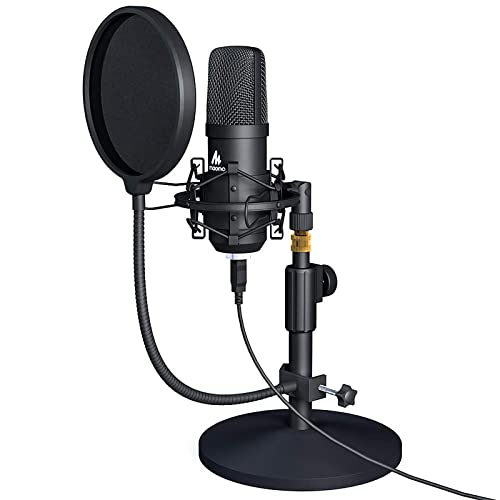
MAONO USB Condenser Microphone Kit AU-A04T
MAONO
Mid-Range
MAONO USB Condenser Microphone AU-A04
MAONO
Mid-Range
AKG Perception 170 Instrumental Microphone
AKG
Mid-Range
Purple Panda Lavalier Microphone Kit for cameras & mobile devices
Purple Panda
Budget
FIFINE USB Podcast Microphone with Boom Arm Kit
FIFINE
Mid-Range
Phenyx Pro PDM35 Overhead Condenser Drum Mic
Phenyx Pro
Budget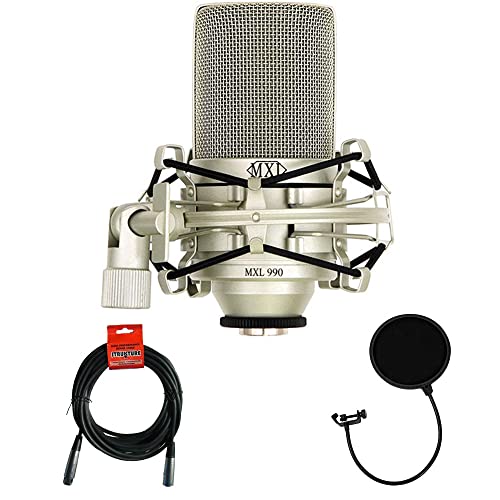
MXL 990 Condenser Microphone
MXL
Mid-Range
FIFINE USB Condenser Podcast Microphone (K669PRO1) with Mute Button
FIFINE
Mid-Range
Shure PGA98H Condenser Microphone with Cardioid Pattern
Shure
Mid-Range
Audio-Technica PRO 35 Cardioid Condenser Clip-on Microphone
Audio-Technica
Mid-Range
Shure PGA98H Condenser Microphone with Cardioid Pick-up
Shure
Mid-Range
BETA 98 H/C Clip-on Sax Mic for Shure Saxophone
Generic
Mid-Range
Podcast Equipment Bundle: Dual XLR-3.5 Condenser Mic
SquarockTek
Mid-Range
happymusic CM2 Pencil Condenser Microphone Kit (Stereo) for instruments
happymusic
Mid-Range
Podcast dual-mic condenser bundle for recording
SquarockTek
Premium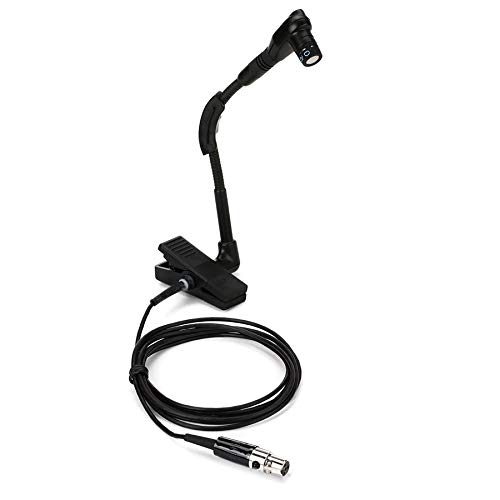
Clip-on sax mic for wireless systems
Generic
Mid-Range
Podcast 2-user 48V XLR condenser mic bundle with pop filters
SquarockTek
PremiumRoundups
- Best Instrument Condenser Microphones for Live Streaming (2026)
- Best Instrument Condenser Microphones for Podcast Recording (2026)
- Best Instrument Condenser Microphones for Podcasting (2026)
- Best Instrument Condenser Microphones Under $200 (2026)
- Best Instrument Condenser Microphones Under $100 (2026)
- Best Instrument Condenser Microphones Under $50 (2026)
- Best Instrument Condenser Microphones (2026 Guide)
Frequently Asked Questions
How do I choose the right condenser microphone for recording instruments?
Choose based on pickup pattern (cardioid for single sources, omnidirectional for room/ensemble), frequency response (flat for accurate capture, tailored for specific instruments), sensitivity/noise floor for quieter sources, and build/connectivity needs (XLR with preamp vs USB for direct computer use)
What budget should I expect for a quality instrument condenser microphone?
Instrument condenser microphones commonly fall into broad tiers: budget options under $100, mid-range between about $100–$300, and professional models above that; many useful instrument mics are available around the lower to mid-range average
Should I use a small-diaphragm or large-diaphragm condenser for instruments?
Small-diaphragm condensers generally offer faster transient response and are preferred for acoustic guitars, pianos, and cymbals, while large-diaphragm condensers provide a fuller low-end and are often used for vocals and fuller-bodied instruments—choose based on the instrument's tonal characteristics and the sound you want
Do condenser microphones require special interfaces or power?
Most professional condenser microphones use XLR and require 48V phantom power provided by an audio interface, mixer, or dedicated phantom supply; some models are USB and draw power from the computer, which eliminates the need for external phantom power
What accessories should I buy with a condenser microphone for instruments?
Essential accessories include a shock mount to reduce handling noise, a suitable mic stand and clamp for positioning, a pop filter or windscreen for directional use, an XLR cable and an audio interface with clean preamps if using an XLR mic
How should I position a condenser mic to record common instruments like acoustic guitar or piano?
For acoustic guitar, start 6–12 inches from the 12th fret angled toward the soundhole and adjust for balance; for piano, place small-diaphragm condensers above the soundboard or a pair over the strings, and move gradually to find the preferred blend of attack and body
How do I care for and maintain a condenser microphone?
Store in a dry, dust-free case, avoid moisture and abrupt temperature changes, use a windscreen for outdoor or close work, and periodically check cables and mounts; service or repair is recommended if you notice increased noise or changing sensitivity