Instrument Microphones & Systems
Instrument microphones and systems for amplifying and recording acoustic and electric instruments, including clip-on mics, contact pickups, and wireless kits. The category spans budget through premium options (29 products, avg rating 4.47) with average price around $159 and brands like Xvive represented
Top Products

Hollyland Lark M2 Wireless Lavalier Microphone
Hollyland
Mid-Range
Hollyland Lark M2 wireless mic (2TX + 3RX) for iPhone/Camera
HollyView
Mid-Range
FW2D Wireless Guitar System with 2.4 GHz Transmitter Receiver
flatsons
Mid-Range
Wireless Microphone with auto-pairing and long distance reception
ECHOMUSSY
Mid-Range
Wireless Dual Handheld Microphones with Rechargeable Receiver
LUVUMVLT
Budget
Wireless Clip-On Saxophone & Trumpet Microphone System
SGPRO
Mid-Range
KIMAFUN 2.4G Wireless Saxophone Microphone
KIMAFUN
Mid-Range
UHF wireless XLR transmitter/receiver system for dynamic/condenser mics
YXG
Mid-Range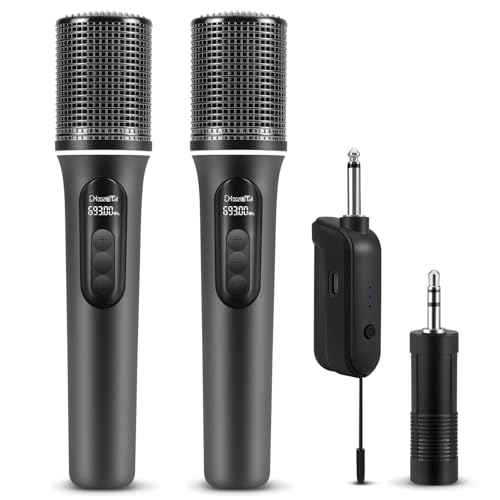
Wireless Microphones with 5-level volume control & RGB lighting
LUVUMVLT
Mid-Range
UHF wireless instrument microphone for saxophone, trumpet, clarinet
XIAOKOA
Mid-Range
Wireless guitar system with 7-channel UHF receiver
XIAOKOA
Mid-Range
Sondery Wireless Transmitter/Receiver System for 7 Channels
Sondery
Mid-Range
XIAOKOA Wireless Instrument Microphone for Saxophone
XIAOKOA
Mid-Range
UHF wireless violin microphone system VT-5
ACEMIC
Mid-Range
Fender Telepath Wireless System
Fender
Premium
Xvive A58 Wireless Guitar System (5.8GHz) transmitter & receiver
Xvive
Mid-Range
UHF Wireless Saxophone Microphone System with Clip-On Transmitter
POGOLAB
Mid-Range
Xvive A58 5.8GHz Wireless Guitar System (Mahogany)
Xvive
Mid-Range
NUX B-6 Saxophone Wireless System with Charging Case
NUX
Premium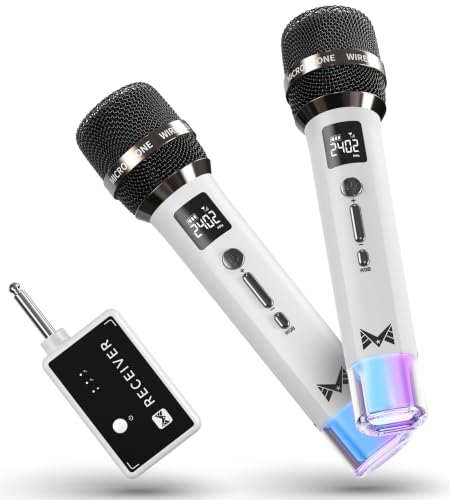
Wireless Microphone with LED Lights and 200 Ft Range
ECHOMUSSY
Mid-Range
2.4G Wireless Flute Microphone Tie-On
JCWY
Mid-Range
XIAOKOA Wireless Microphone for wind instruments
XIAOKOA
Mid-Range
Phenyx Pro Wireless Conference Microphone System (Quad Channel)
Phenyx Pro
Premium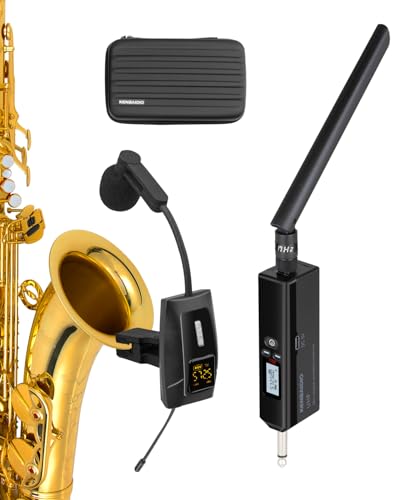
Saxophone Wireless Microphone System with Transmitter & Receiver
KENBAIDIO
Mid-RangeRoundups
- Best Instrument Microphones & Systems for Karaoke Nights (2026)
- Best Instrument Microphones & Systems for Live Performances (2026)
- Best Instrument Microphones & Systems Under $200 (2026)
- Best Instrument Microphones & Systems Under $100 (2026)
- Best Instrument Microphones & Systems Under $50 (2026)
- Best Instrument Microphones & Systems (2026 Guide)
Frequently Asked Questions
How do I choose the right instrument microphone or wireless system for my instrument?
Match the microphone type to the instrument: clip-on condensers and contact mics work well for acoustic guitars, brass, and woodwinds; small-diaphragm condensers suit acoustic instruments and percussion; dynamic mics handle high-SPL sources like guitar amps and drums. For wireless systems, check latency, operating range, battery life, and compatibility with your mixer or amp (XLR, 1/4" or instrument input)
What microphone features matter most for live performance versus studio recording?
For live use prioritize rugged build, feedback rejection (cardioid or supercardioid patterns), and low-latency wireless if applicable; for studio use prioritize flat frequency response, low self-noise, and the specific polar pattern that captures the instrument’s tone. Wired mics generally offer lower latency and consistent power; wireless systems add mobility but require channel planning and battery management
What budget should I expect for quality instrument microphones and systems?
Entry-level wired instrument microphones and clip-ons often start under $50, mid-range options commonly fall between $50 and $200, and higher-end or professional wireless systems can range several hundred dollars. Consider total system cost including mounts, cables, stands, and spare batteries
How do I manage interference and signal problems with wireless instrument systems?
Choose systems that operate on stable frequency bands, use units with automatic channel scanning or frequency diversity, maintain line-of-sight when possible, and avoid crowded RF environments. Keep transmitters charged, use fresh or recommended batteries, and perform a frequency scan before a gig to select the clearest channel
What specifications should I check on a microphone spec sheet?
Look at polar pattern, frequency response, sensitivity, maximum SPL, signal-to-noise ratio (or self-noise), impedance, and connector type. For wireless systems also check latency, operating range, number of selectable channels, and battery life
How should I care for and maintain instrument microphones and wireless gear?
Store mics in a dry, dust-free case, use pop filters or windshields where needed, avoid dropping or exposing capsules to moisture, wash or replace windshields periodically, and follow manufacturer guidelines for battery care and firmware updates for wireless units
Can I use instrument microphones with my existing mixer or audio interface?
Yes if the microphone or transmitter outputs match your inputs: XLR for most wired mics and many wireless receivers, 1/4" or instrument-level outputs for some systems. Phantom power is required for many condenser mics, so ensure your mixer or interface supplies it or use an external phantom power supply