Lab Compound Binocular Microscopes
Lab compound binocular microscopes for laboratory and hobby use, offering magnified optical imaging with binocular viewing heads, mechanical stages, and variable illumination. The category spans budget to premium instruments (35 products, average price ~(price varies)) from brands like OMAX and AmScope and averages 4.45 stars
Top Products

SWIFT SW380B binocular compound microscope
SWIFT
Premium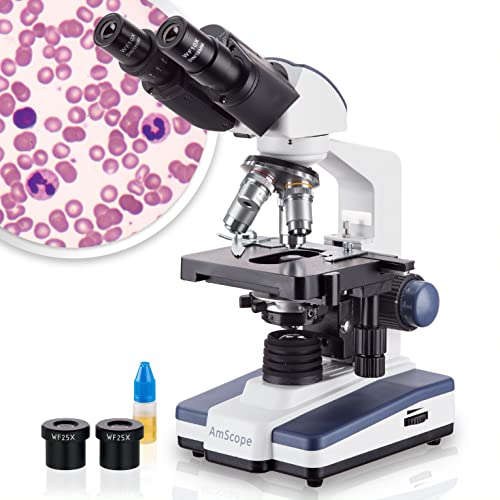
AmScope B120C Series LED Binocular Microscope
AmScope
Premium
SWIFT SW380B Binocular Microscope 40X-2500X with 1.3MP Camera Kit
SWIFT
Premium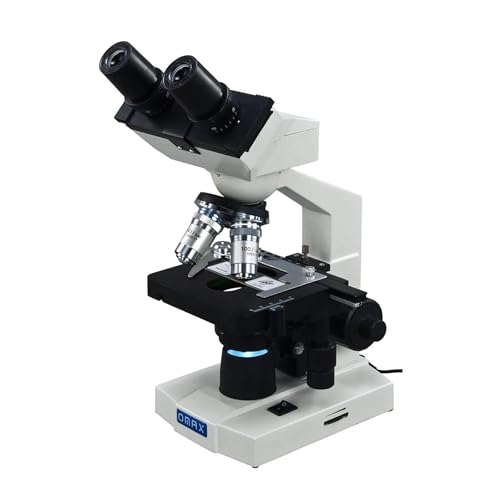
OMAX M82E Series LED Binocular Compound Microscope
OMAX
Premium
SWIFT SW380B Compound Binocular Microscope 40X-2500X with 5MP USB Camera
SWIFT
Premium
Swift Binocular Compound Microscope SW350B 40X-2500X
SWIFT
Premium
Compound binocular microscope for kids & students
PalliPartners
Premium
Binocular microscope for home education with slides and prep kits
LAKWAR
Mid-Range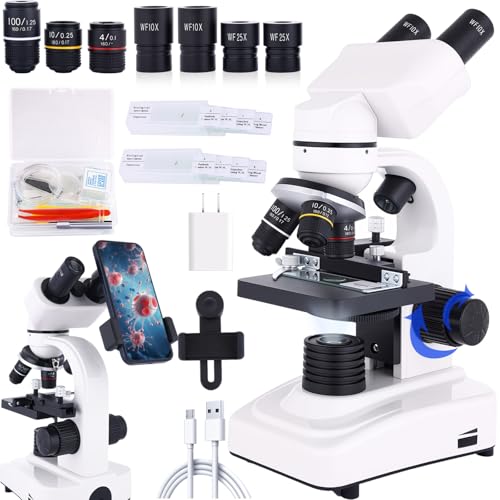
Binocular Microscope 40X-2500X with dual illumination
OOZSTAR
Mid-Range
HSL Compound Binocular Microscope 40x-2500x, Siedentopf head
HSL
Premium
Binocular Compound Microscope 40X-2000X, dual stage
Poothoh
Mid-Range
Microscope for adults with WF10x/WF25x eyepieces, 40X-2000X USB camera
Woehrsh
Mid-Range
Microscope with WF eyepieces and HD USB camera, 40X-2500X
Woehrsh
Premium
OMAX 40X-2500X Lab Binocular Microscope with Digital Camera
OMAX
Premium
Compound Microscope with dual LED lighting and wide eyepieces
Herwicm
Mid-Range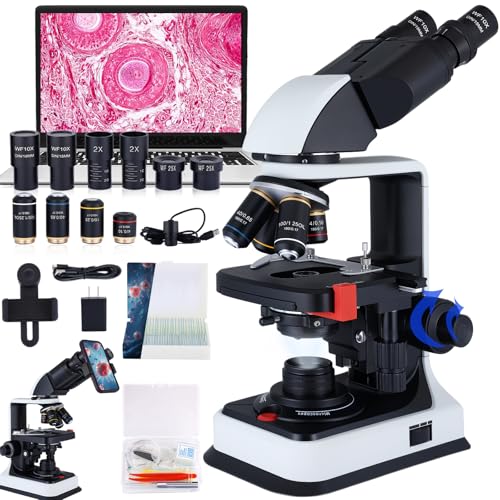
Binocular Microscope with WF eyepieces and LED illumination
OOZSTAR
Premium
OMAX Binocular Compound Microscope 40X-2000X with book and slides
OMAX
Premium
Microscope for Adults with WF10x/WF25x, USB Camera, 40X-2000X
Woehrsh
Premium
OMAX 40X-2500X Lab Compound Microscope with USB Camera
OMAX
Premium
OMAX 40X-1000X Digital Lab Binocular Microscope
OMAX
Premium
Microscope for Kids 40X-1500X Binocular Adults/Children
NIUEN
Mid-Range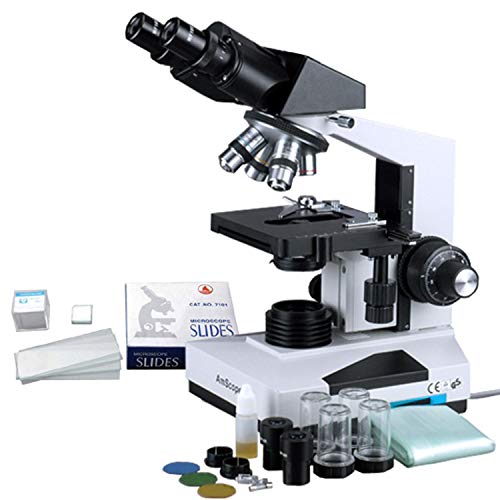
AmScope 40x-2000x Binocular Microscope with slides & coverslips
AmScope
Premium
40X-2500X Microscope for education with LED and 3D stage
Herwicm
Premium
Binocular microscope for education with 40-2500X magnification
JECONE
Mid-RangeRoundups
Frequently Asked Questions
How do I choose the right magnification and optics for a lab compound binocular microscope?
Select objectives that cover the range of specimens you will examine (common sets: 4x, 10x, 40x, 100x oil). Ensure the eyepiece magnification multiplies with objective power to reach your needed total magnification, and prefer achromatic or plan objectives for corrected color and flat-field imaging if you need accurate detail across the view
What features are most important for electronics and gadgets inspection?
Look for good working distance at high magnification, a mechanical stage with fine X–Y control for precise component positioning, bright adjustable LED illumination (Köhler or condenser with iris recommended), and optional trinocular heads or camera ports if you plan to capture images or stream inspections
What budget should I expect for a reliable lab compound binocular microscope in this category?
Models in this category typically span from lower-cost educational/prototyping units to mid-range lab microscopes, with many offerings clustered in the few-hundred-dollar range; expect to pay more for better optics, mechanical stages, and camera capability
Do I need oil immersion and when should I use it?
Oil immersion (usually with a 100x objective) is necessary when you need maximum resolution at the highest numerical apertures, such as inspecting very fine solder joints or semiconductor features; it requires special immersion oil and careful cleaning after use to avoid damage
How do I maintain and clean a compound microscope safely?
Turn off and unplug illumination, use lens paper or lint-free wipes with appropriate lens cleaner for optics, avoid touching glass with bare fingers, clean immersion oil with lens cleaner or lens-safe solvents, and keep mechanical parts lightly lubricated following the manufacturer's maintenance guidance
Is a trinocular head or integrated camera necessary for electronics work?
A trinocular head or built-in camera is useful if you need to document, annotate, or share images and videos; if you only perform hands-on inspection, binocular viewing suffices, but a camera adds value for documentation and remote troubleshooting
What should I check regarding illumination and power options?
Confirm the microscope provides stable, adjustable LED illumination with good color rendering and sufficient brightness control; check power options (AC adapter, DC, or battery) and whether the condenser and diaphragm allow contrast techniques needed for your samples