Lab Compound Monocular Microscopes
Lab compound monocular microscopes are single‑eyepiece optical instruments for lab, hobbyist, and electronics inspection tasks, offered from budget to mid‑range price points (about $50–$900, avg $145). The category includes 47 indexed products with an average rating of 4.44 and brands like AmScope among the top sellers
Top Products

PalliPartners Compound Microscope for Education
PalliPartners
Mid-Range
Compound microscope kit for kids and adults with prepared slides
PALOBIL
Mid-Range
Compound monocular microscope 40X-2000X for education
HUTACT
Mid-Range
AmScope M150 portable LED monocular microscope
AmScope
Mid-Range
AmScope M102C-PB10 40X-1000X Biological Microscope for Students
AmScope
Mid-Range
Microscope for students and adults with 100-2000x magnification
MAXLAPTER
Mid-Range
Compound microscope with dual LED illumination, 40x-2000x
Herwicm
Mid-Range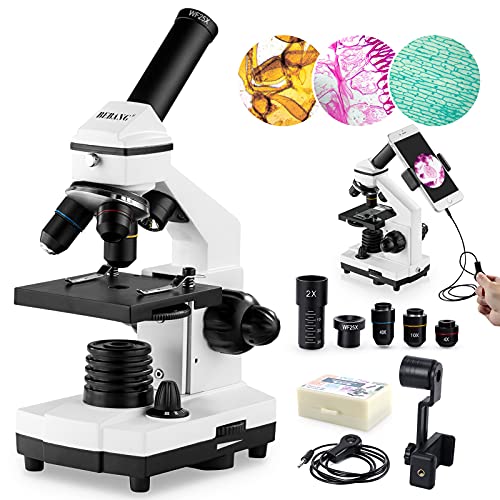
BEBANG compound microscope for kids and adults
BEBANG
Mid-Range
USCAMEL Microscope for students and adults
USCAMEL
Mid-Range
Microscope for education, 100X-2000X, metal body
LaMulaAuto
Mid-Range
Temery microscope for kids and adults, 40X-2000X monocular
Temery
Mid-Range
Beginners Microscope Kit 40X-1000X for Kids & Students
vanstarry
Mid-Range
HSL Microscope for kids 40X-2000X monocular
HSL
Mid-Range
Microscope for students with slides set and adapters
SEDUMIC
Mid-Range
ESAKO Microscope 40-2000x with mechanical stage
ESAKO
Mid-Range
Microscope kit for home use with 40X-2000X magnification
Fitense
Mid-Range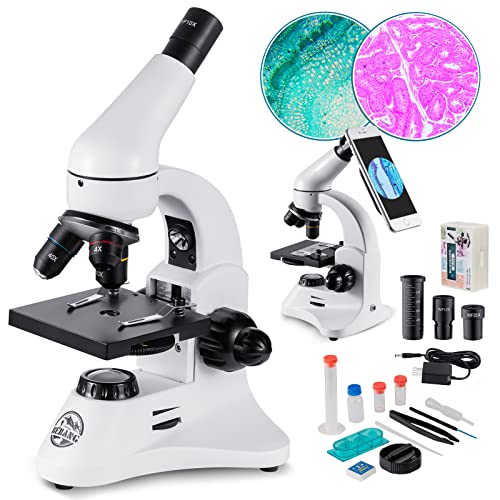
Microscope for beginners with dual illumination and 2000x magnification
BEBANG
Mid-Range
Microscope for adults & students: high-power compound microscope
Qniuco
Mid-Range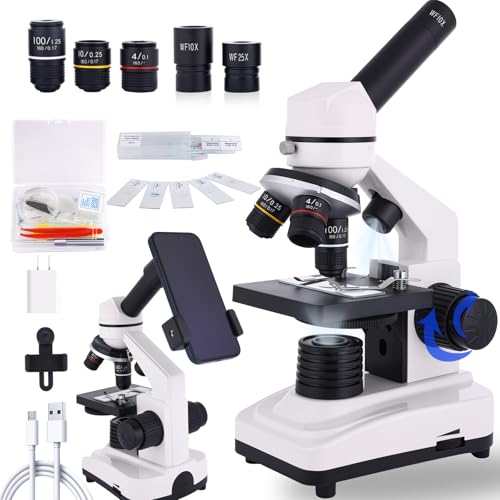
Compound Microscope 40x-2500x with dual illumination
OOZSTAR
Mid-Range
Microscope for adults & kids, 40X-2500X with slides & phone holder
JECONE
Mid-Range
Educational monocular microscope 40x-2000x with phone adapter
Poothoh
Mid-Range
HSL Microscope 1000x 2000x Monocular Kit for Students
HSL
Mid-Range
Kids Adults Microscope 40X-2000X with LED Illumination
eLabPal
Mid-Range
Metal Body Compound Microscope for Students (40X-2000X) with Dual LED
MicroMarvels
Mid-RangeRoundups
Frequently Asked Questions
How do I choose the right monocular microscope for electronics and hobbyist inspection?
Look for a monocular microscope with at least 20x–40x magnification for PCB inspection, adjustable focus and illumination (LED ring or coaxial), a stable stand or boom arm for hands-free work, and good working distance to fit probes and soldering irons
What magnification and optics features matter for soldering, component inspection, and repair?
For soldering and component-level work, 20x–80x is typically sufficient; choose coated glass optics for clearer images, adjustable diopter if multiple users will share it, and a long working distance (50–150 mm) to allow tool access
Are digital monocular microscopes worth it compared with optical-only models?
Digital models provide live on-screen viewing and image capture useful for documentation and teaching; however, they may have lower optical resolution than equivalent glass eyepieces and can introduce lag or compression—evaluate sensor resolution, frame rate, and software compatibility
What should I expect to pay for a reliable lab compound monocular microscope for electronics use?
Prices vary by features: basic hobby optical monoculars start under $100, mid-range lab-quality models with better optics and stands are commonly in the $100–$300 range, and more advanced digital or specialized lab units can cost more
How important is illumination, and which lighting options are best for electronics work?
Uniform, adjustable LED illumination is important to reveal fine solder joints and component details; coaxial light or ring lights reduce shadows, and adjustable intensity helps prevent glare on shiny PCB surfaces
What maintenance and care do monocular microscopes require to keep optical performance?
Keep lenses clean with a soft brush and lens tissue or microfiber and optical-grade cleaner, cover the microscope when not in use to prevent dust, check and tighten mechanical parts periodically, and replace batteries for LED lighting as needed
Which accessories should I consider buying with a monocular microscope for electronics projects?
Useful accessories include a stable boom stand or articulated arm, spare eyepieces or objective lenses for different magnifications, a camera adapter for digital capture, anti-static mat and wrist strap for ESD protection, and additional LED lighting or diffusers