Lab Compound Trinocular Microscopes
Lab compound trinocular microscopes for laboratory and electronics inspection, offering stereo viewing plus a trinocular port for camera attachment. This category spans budget through premium models (about 30 listings, average rating 4.42) with brands like OMAX represented
Top Products

Professional compound microscope for education with 2000x magnification
ZOVVTRON
Mid-Range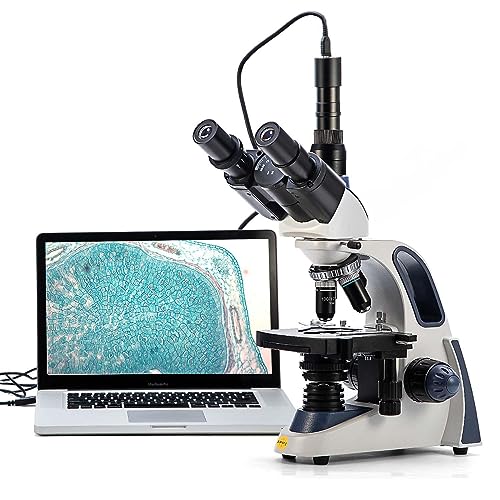
Swift SW380T trinocular microscope 40X-2500X with camera
SWIFT
Premium
SWIFT trinocular compound microscope with wide-field eyepieces
SWIFT
Premium
Trinocular Microscope 40X-5000X with HD USB Camera
Woehrsh
Premium
SWIFT SW380T compound trinocular microscope, 40X-2500X
SWIFT
Premium
Swift Compound Trinocular Microscope SW380T
SWIFT
Premium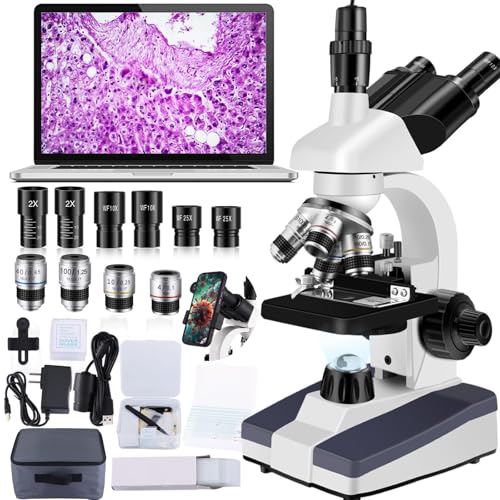
Trinocular Microscope 40X-5000X with Dual Mechanical Stage
Woehrsh
Premium
OMAX 40-2500X LED Digital Trinocular Microscope
OMAX
Premium
Microscope for adults with dual stages and HD USB camera
Woehrsh
Premium
SWIFT SW400 Trinocular Compound Microscope 40X-2500X
SWIFT
Premium
Trinocular compound microscope with electronic eyepieces
Woehrsh
Premium
Compound Trinocular Microscope with USB camera, 40X-5000X
Poothoh
Premium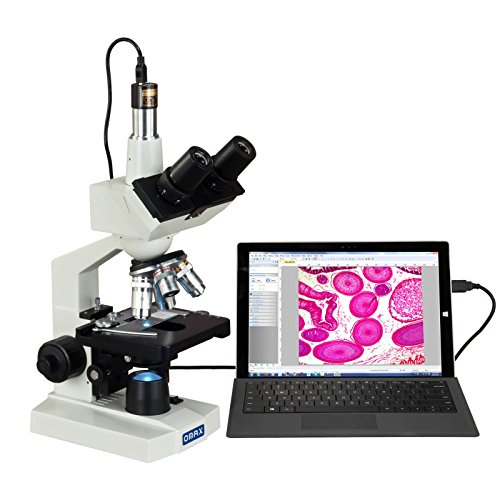
OMAX 40X-2500X Lab Compound Microscope with 1.3MP Camera
OMAX
Premium
OMAX M837ZL-A191 Dry Darkfield Trinocular Microscope 40X-2500X
OMAX
Premium
Vabiooth Lab Compound 5MP Microscope Trinocular 40X-2500X
Vabiooth
Premium
Compound Trinocular Microscope 40X-5000X, LED Illumination, USB Camera
Herwicm
Premium
OMAX Lab Compound Trinocular Microscope with 5MP Camera
OMAX
Premium
OMAX 40X-2000X Lab Compound Trinocular Microscope
OMAX
Premium
OMAX 40-2500X LED Digital Trinocular Microscope
OMAX
Premium
Vabiooth Lab Compound Trinocular Microscope 40X-2500X with 7" LCD
Vabiooth
Premium
OMAX 40X-2000X Lab Trinocular Microscope with 1.3MP Camera
AmScope
Premium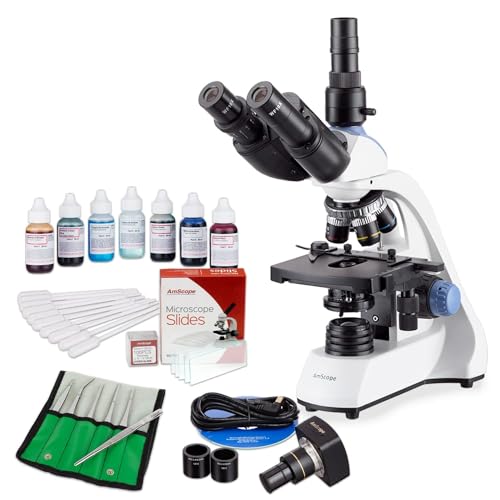
AmScope 40X-2500X Trinocular Microscope with 5MP Camera and Vital Stain Kit
AmScope
Premium
OMAX 40X-2000X Compound Trinocular Microscope
OMAX
Premium
AmScope 2000X compound microscope for professional research
AmScope
PremiumRoundups
Frequently Asked Questions
How do I choose the right trinocular microscope for lab work vs hobby use?
For lab use prioritize optical quality (achromatic or plan objectives), mechanical stability, a metal mechanical stage with vernier controls, and a trinocular port for camera attachment; for hobby or educational use you can prioritize simpler illumination, lower magnification ranges, and lighter build to reduce cost
What magnification and objective types should I look for?
A standard lab compound trinocular microscope typically offers objective lenses from 4x to 100x (often including a 100x oil immersion) and eyepieces 10x–20x; choose achromatic or plan achromatic objectives for routine lab imaging and plan apochromats if you need higher flat-field color correction and resolution
Do trinocular microscopes include cameras or how do I add imaging capability?
Trinocular microscopes have a dedicated vertical camera port sized for C-mount adapters; many sellers offer compatible C-mount cameras separately, so check the port diameter and required adapter, sensor size, and software compatibility before purchasing
What illumination types are available and which is best for electronics and biological samples?
Common illumination options are LED and halogen; LEDs are energy-efficient, cool-running, and stable for general lab and electronics inspection, while halogen provides warmer light and sometimes higher color rendering; choose Kohler-capable illumination for even field and better contrast control
How important is build quality and warranty for a trinocular microscope?
Build quality—metal body, precision mechanical stage, quality focus mechanism—affects durability and imaging stability; a warranty and access to spare parts or technical support are valuable for laboratory environments where continuous, reliable performance is required
What maintenance and care does a trinocular microscope require?
Regular maintenance includes keeping optics covered when not in use, cleaning lenses with lens tissue and appropriate cleaner, periodically lubricating stage and focus gears per manufacturer guidance, and avoiding touching optical surfaces or immersing parts in liquids
What price range should I expect and how do features scale with price?
Entry-level trinocular microscopes start in the low hundreds with basic optics and illumination; mid-range lab models with better objectives, mechanical stages, and camera readiness commonly sit in the mid-hundreds to low thousands; higher prices generally reflect improved optics, build, and imaging capabilities