Lab Stereo Microscopes
Lab stereo microscopes for electronics and gadgets inspection, offering stereo viewing heads, variable magnification, and illumination for PCB, soldering, and small-part work. Catalog of 36 products spans budget through premium options (avg $482) with top brands like AmScope represented
Top Products

Aomekie stereo microscope 20X-50X with 10 slides
AOMEKIE
Mid-Range
Wearable 4X Pocket Stereoscope – Lightweight Microscope (2PCS)
MUTOOP
Mid-Range
AmScope Binocular Stereo Microscope with boom arm
AmScope
Premium
Jewelers Microscope 7X-45X with 60 LED light and ball vise
CTISMICE
Premium
AmScope Cordless LED Stereo Microscope 20x-40x
AmScope
Premium
Swift S41-20 Dissecting Binocular Stereo Microscope
SWIFT
Premium
Micro Inlaid Mirror Microscope with Spring Bracket 7X-4.5X
VEVOR
Premium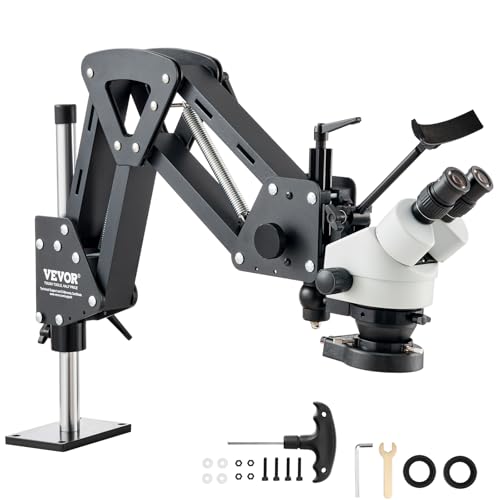
VEVOR multi-directional microscope with adjustable stand
VEVOR
Premium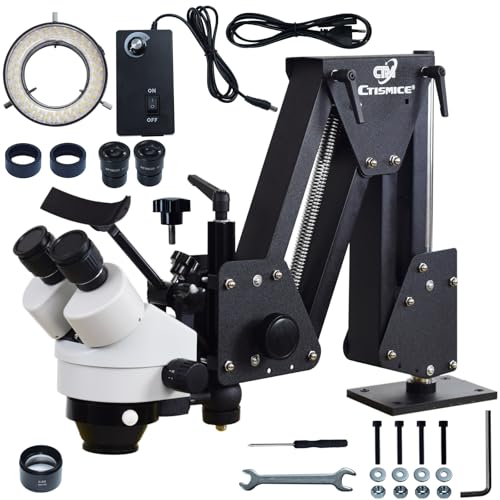
Jewelry Microscope 7X-45X with 60-LED Ring Light & Dimmer
CTISMICE
Premium
IQCrew AmScope M50C-B14-WM-E1 40X-1000X Microscope (Blue) - 1.3MP Eyepiece, Slide Prep Kit
iQcrew
Mid-Range
DZQ Jewelers Microscope 7X-45X with 60-LED Ring Light
DZQ
Premium
AmScope trinocular stereo zoom microscope with boom stand
AmScope
Premium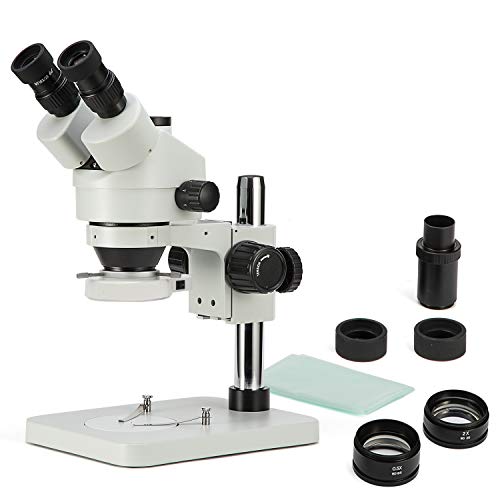
SWIFT Trinocular Stereo Zoom Microscope with LED Ring Light
SWIFT
Premium
OMAX cordless binocular stereo microscope with dual LED lights and USB camera
OMAX
Premium
AmScope Trinocular Stereo Zoom Microscope with Boom Stand
AmScope
Premium
TOAUTO multi-directional microscope with 7X-50X zoom
TOAUTO
Premium
OMAX 10X-20X-30X-60X LED Binocular Microscope
OMAX
Premium
Mounted Binocular Stereo Microscope with 30x mag, LED lighting
ESSLNB
Mid-Range
AmScope 3.5X-90X Inspection Dissecting Zoom Stereo Microscope
AmScope
Premium
Jewelry Microscope with multi-directional arm
tekstap
Premium
AmScope SE400-X Binocular Boom Arm Stereo Microscope
AmScope
Premium
AmScope LED-80S Microscope with 80 LED Ring Light (built-in dimmer)
United Scope, LLC
Mid-Range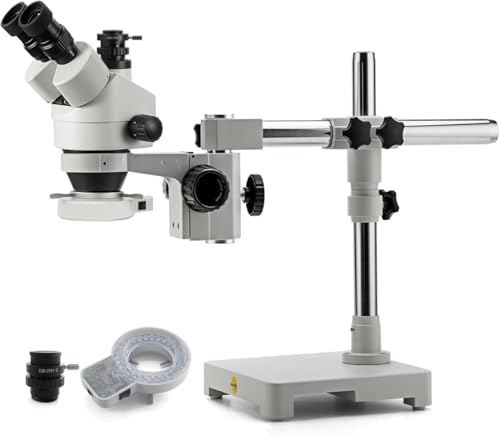
SWIFT S7 Stereo Microscope with 10X Eyepieces and 7X-45X Zoom
SWIFT
Premium
8X-50X trinocular stereo microscope with top & bottom LED lights
AmScope
PremiumRoundups
Frequently Asked Questions
How do I choose the right magnification and objective type for a lab stereo microscope?
Choose magnification based on the size of the specimens; stereo microscopes commonly offer 7x–45x total magnification with zoom or fixed objectives. Use lower magnification (7x–20x) for larger tasks like circuit inspection and higher magnification (20x–45x) for detailed work; check working distance and objective quality to ensure sufficient clearance and sharpness
What lighting options should I look for in a stereo microscope for electronics work?
Look for adjustable LED top (incident) and bottom (transmitted) illumination so you can light reflective circuit boards and translucent samples independently. Brightness dimming, color temperature around neutral white, and uniform lighting without hot spots improve contrast and reduce eye strain
How important are working distance and binocular head type when inspecting electronics?
Working distance is critical—longer distances (80–200 mm) provide room for probes, tweezers, and soldering irons. An adjustable binocular or trinocular head with an inclined tube helps maintain comfortable posture and allows attachment of a camera without compromising eyepiece use
What should I expect to pay for a lab-quality stereo microscope and how do prices vary?
Prices vary by optical quality, magnification range, illumination, and features; entry-level models start under $100, mid-range lab microscopes typically range from a few hundred to around $1,000, and higher-end research or industrial stereo microscopes cost more. Consider average ratings and feature sets rather than price alone to match needs
Do stereo microscopes require special maintenance or calibration?
Maintenance is minimal: keep optics clean with lens-safe cleaning materials, cover the microscope when not in use, and periodically check and adjust focus and zoom mechanisms. For cameras or digital attachments, ensure firmware updates and secure connections; calibration of measurement reticles or camera scaling should be performed when precise measurements are needed
Is a trinocular port necessary and how do I use a camera with a stereo microscope?
A trinocular port is recommended if you plan to capture images or stream video while still using the eyepieces; it provides a dedicated optical path for a camera. Use a compatible C-mount or adapter, match sensor size to the optical path, and adjust camera gain/exposure for clear images without vignetting
What accessories are useful for electronics and gadget inspection?
Useful accessories include a boom or articulated stand for flexible positioning, anti-static specimen stages, polarized light or coaxial illumination for glare reduction, metric reticles for measurements, and USB/HD cameras for documentation and collaboration