Lens Extension Tubes
Lens extension tubes are simple, adapter-style accessories that increase a lens-to-sensor distance for closer macro photography without adding optics. This Electronics & Gadgets category lists 19 products averaging a 4.32 rating and mid-range prices (about $33–$79), with brands like JJC and Meike commonly represented
Top Products

MEIKE AF Macro Extension Tube Ring (10mm+16mm) for Sony E
Meike
Budget
MK-Z-AF1 11mm 18mm Macro Ext Tube Kit for Nikon Z
HK Meike
Mid-Range
JJC E Mount Macro Extension Tube Set for Sony (ZV-E10 II, A6000, A6100, A6300, A6400, A6500, A6600, A6700, ZV-E1, A1, A7 series, A9)
JJC
Mid-Range
JJC X Mount Auto Focus Macro Extension Tube Set for Fuji
JJC
Mid-Range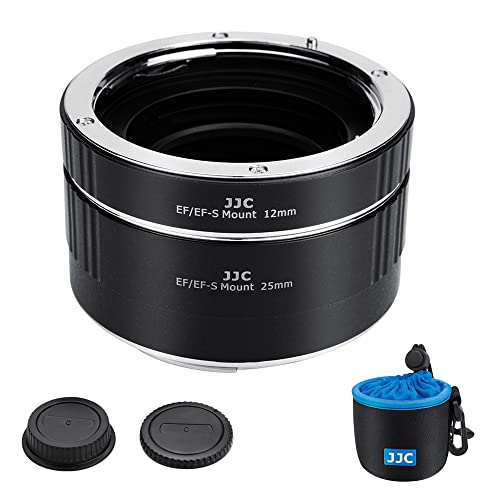
JJC EF/EF-S Mount Auto Focus Macro Extension Tube Set
JJC
Mid-Range
Meike Nikon Z auto focus macro extension tube (11mm + 18mm)
Meike
Mid-Range
JJC RF Mount Auto Focus Macro Extension Tube Ring Set for Canon RF
JJC
Mid-Range
JJC Micro 4/3 Auto Focus Macro Extension Tube Set
JJC
Mid-Range
Meike AF Macro Extension Tube Kit for RF EOS-R
Meike
Mid-Range
Mcoplus 12mm 20mm 36mm Auto Focus Macro Extension Tube Set for Nikon
mcoplus
Budget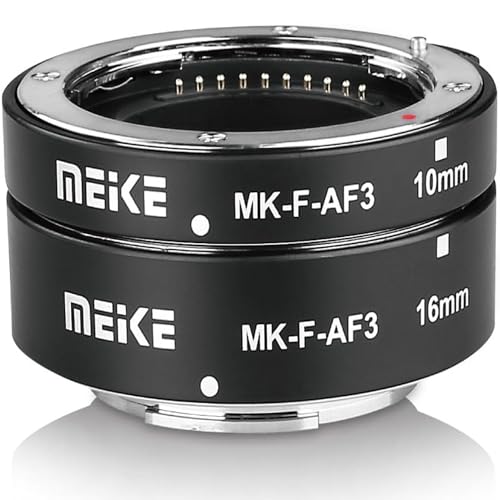
Meike Auto Fucus Macro Extension Tube for Fuji X-Mount
YIDOBLO
Mid-Range
extension tube for micro 4/3 system camera (10 16 21mm)
mcoplus
Mid-Range
DG-C Auto-Focusing Macro Lens Extension Tube for Canon EF/EF-S
VILTROX
Mid-Range
K40 Adjustable Focus Head Upgrade (38.1mm) W/Nozzle
American Photonics
Mid-Range
24mm ZnSe Lens Tube Kit with Alignment Tool
American Photonics
Mid-Range
Lens Focuser: M42-to-M42 Adjustable Helicoid Adapter Ring
fo sa
Budget
24mm Lens Tube with ZnSe Focus Lens Kit + Alignment Tool
American Photonics
Mid-Range
K40 adjustable focus head upgrade with laser alignment tool
American Photonics
Mid-Range
Pomya auto focusing macro extension lens tube (12mm+20mm+36mm) - metal
Pomya
Mid-RangeRoundups
Frequently Asked Questions
What are lens extension tubes and how do they work?
Lens extension tubes are hollow spacers that fit between a camera body and lens to increase the lens-to-sensor distance, allowing the lens to focus closer and achieve greater magnification for macro photography without additional optics
How do I choose the right extension tube length and set?
Choose tubes by the total extension needed for the desired magnification; common sets include combinations like 12mm, 20mm, and 36mm so you can mix lengths. Shorter total extension keeps working distance and light loss lower, while longer extension increases magnification but reduces effective aperture and autofocus performance
Will extension tubes affect autofocus and exposure metering?
Using extension tubes typically reduces or disables autofocus, especially with longer extension, and causes light loss requiring longer exposures or higher ISO; tubes with electronic contacts retain lens-to-camera communication for aperture control and metering, while purely mechanical tubes do not
Are extension tubes compatible with my camera and lens?
Compatibility depends on mount type and whether the tube set matches your camera's mount (e.g., Canon EF, Nikon F, Sony E). Check that the tube maintains the correct electronic contacts for your lens if you need aperture control or autofocus; physical fit and flange focal distance are important for infinity focus—extension tubes eliminate infinity focus by design
What are the trade-offs between cheap and higher-end extension tubes?
Lower-cost tubes usually perform the same optical function but may have looser fit, weaker mount durability, or lack electronic contacts; higher-end tubes tend to have more precise mounts, reliable electronic connections, and solid construction but cost more
How do I use and care for extension tubes to avoid damage or performance loss?
Attach and remove tubes in a clean, dry environment to avoid dust on the sensor or lens, store them with caps on, periodically clean contacts with a dry lint-free cloth if present, and avoid overtightening mounts to protect bayonet flanges and electronic pins