Metronomes
Mechanical and electronic metronomes for tempo practice and timing, including clip-on, desktop, and app-compatible units. Nineteen products indexed with an average rating of 4.42 and mid-range prices (about $35–$105, avg $52). Top brands represented include MATRIX and SEIKO
Top Products
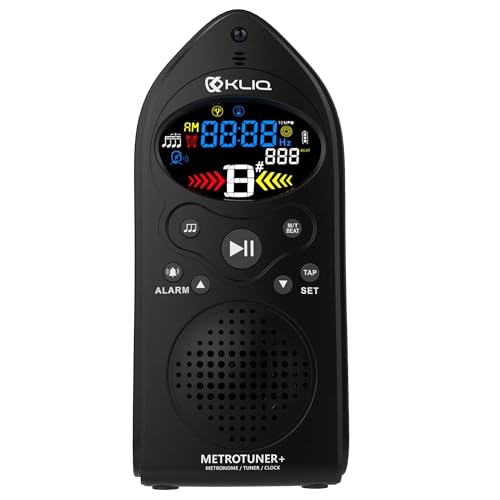
KLIQ MetroTune+ 3-in-1 USB Metronome-Tuner-Clock (Black)
KLIQ Music Gear
Budget
KLIQ MetroPitch Metronome Tuner with 3-in-1 device
KLIQ Music Gear
Mid-Range
KLIQ MetroPitch-PRO Rechargeable Metronome Tuner
KLIQ Music Gear
Mid-Range
Seiko SQ50-V Quartz Metronome
SEIKO
Mid-Range
Mechanical Metronome for Piano, Guitar, Violin (Transparent)
HOSEYIN
Mid-Range
Seiko SQ50-V Metronome and Piano Adventures Primer Level
SEIKO
Mid-Range
Korg Metronome KDM3WH
KORG
Mid-Range
Seiko metronome DM51B, black
SEIKO
Budget
TERENCE Mechanical Metronome for Piano, Guitar, Violin, Bass, Drum
TERENCE
Mid-Range
Matrix Tuner (MR600) Metronome
MATRIX
Mid-Range
Yamaha MP-90BK metronome
Yamaha
Mid-Range
Matrix Tuner (MR800) metronome
MATRIX
Mid-Range
Wittner Metronome System Maelzel, plastic casing, without bell
Wittner
Mid-Range
Matrix Matrix Quartz Deluxe Metronome MR-500
MATRIX
Mid-Range
Matrix Quartz Deluxe Metronome MR-800
MATRIX
Mid-Range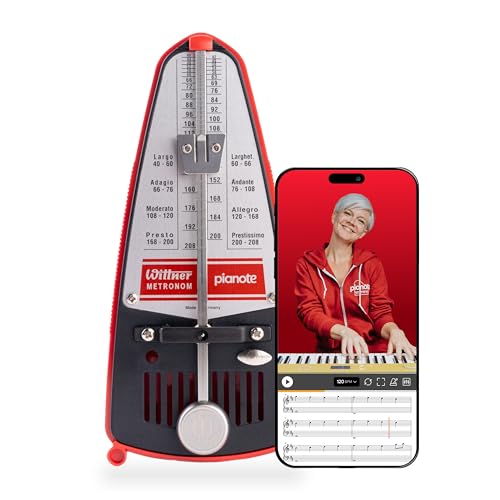
Pianote Metronome by Wittner
Pianote
Mid-Range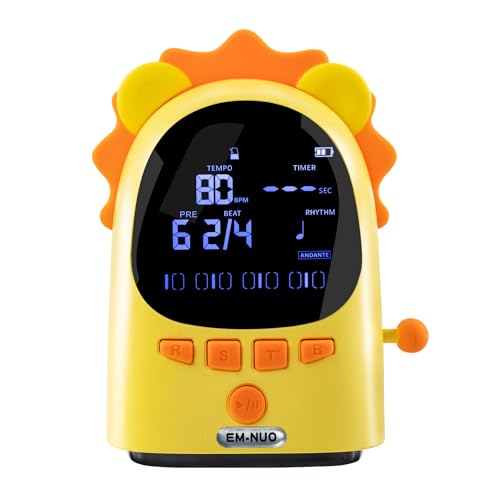
Easy Control Cute Cartoon Metronome for Acoustic Guitar Violin Ukulele
ENO MUSIC
Mid-Range
Tama RW200 Rhythm Watch - Metronome for Drummers
Tama
Mid-Range
Aklot Vibrating Metronome Watch
AKLOT
Mid-RangeRoundups
Frequently Asked Questions
How do I choose between analog (mechanical) and electronic metronomes?
Choose based on features and use: mechanical metronomes are simple, battery-free or wind-up, and show tempo visually; electronic metronomes offer precise BPM settings, multiple sounds, subdivisions, tap-tempo, and often a tuner or visual LEDs. For practice versatility and accurate subdivisions, electronic models are more flexible; for tactile teaching of pulse and simplicity, mechanical can be sufficient
What tempo range and time signature features should I look for?
Look for a BPM range that covers common practice needs (typical electronic metronomes offer ~30–250 BPM) and support for common and compound time signatures or beat subdivisions (e.g., 2/4, 3/4, 4/4, triplets). If you work with complex rhythms, choose a unit that provides adjustable subdivision patterns, accent beats, and programmable meters
How important are sound options and volume for practice and performance?
Sound options matter: clear, adjustable-volume clicks or tones help maintain audible tempo over your instrument; some units include multiple click sounds, headphone outputs, or visual LEDs for silent practice. For ensemble or stage use, ensure the metronome has sufficient volume and a headphone or line-out jack to integrate with monitors or mixers
What battery or power considerations should I be aware of?
Electronic metronomes commonly use AA/AAA batteries, internal rechargeable batteries, or USB power; check runtime and charging method if portability matters. Mechanical metronomes require no batteries but need winding and can be less convenient for long sessions or precise tempo changes
Are compact or clip-on metronomes accurate enough for serious practice?
Compact and clip-on metronomes can be accurate and convenient for practice if they list precise BPM settings and stable timing, but verify they provide clear accents/subdivisions and sufficient volume or a headphone output. For studio or advanced practice, a full-featured electronic unit with precise controls is generally preferred
How do I care for and maintain a metronome to ensure longevity?
For electronic models, keep contacts clean, remove batteries when storing long-term, and protect the unit from moisture and impact; follow manufacturer instructions for charging cycles if rechargeable. For mechanical metronomes, avoid over-winding, keep them level during use, and store in a dry place to prevent internal wear
What price range should I expect and how does price relate to features?
Metronomes range from budget options under $30 to more feature-rich electronic units above $100; higher-priced models typically offer better build quality, more sounds, advanced subdivision and programmable patterns, and extras like tuners or connectivity. Consider which features you need (portability, accuracy, subdivisions, outputs) to match your budget