Microphone Preamps
Microphone preamps for recording and live sound, ranging from compact USB/portable units to rackmount and studio-grade analog designs. The category spans budget through premium options (25 products, average rating 4.51) with prices from $35–$779 and brands like Rodyweil represented
Top Products

Cloudlifter CL-1 Mic Activator
Cloud Microphones
Mid-Range
Xvive P1 Phantom Power Supply for Microphones
Xvive
Mid-Range
Coda MB-1 Microphone Preamplifier
Coda Music Technologies
Mid-Range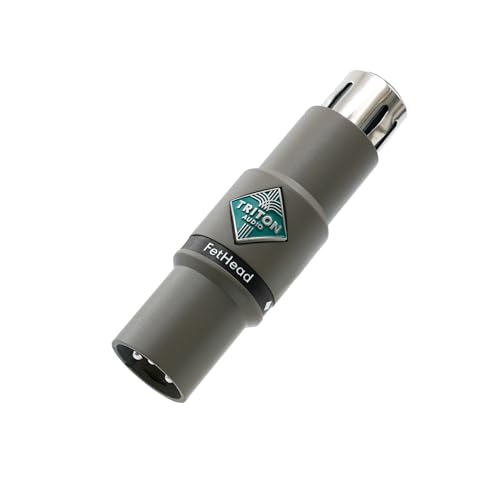
Triton Audio FetHead in-Line Microphone Preamp
TritonAudio
Mid-Range
StudioMan DPM1 XLR Dynamic Microphone Preamp
StudioMan
Mid-Range
Cloudlifter CL-X Transformer Mic Activator
Cloud Microphones
Premium
RO-04 Pro Mic Preamp with Gain, Hi-Z, 48V, HPF, Phase
Rodyweil
Mid-Range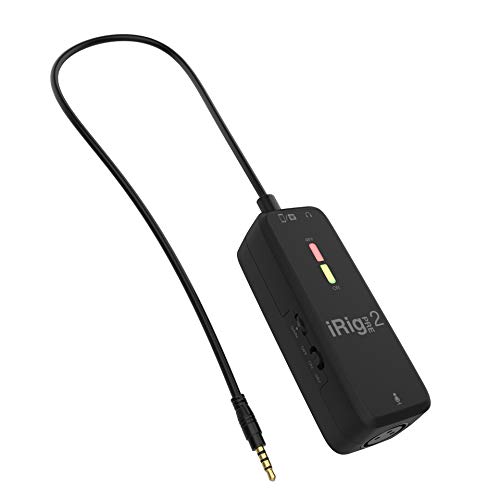
IK Multimedia iRig Pre 2 mic preamp for mobile devices
IK Multimedia
Mid-Range
In-line Microphone Pream, 28dB gain for dynamic/ribbon mics
MANAYO
Budget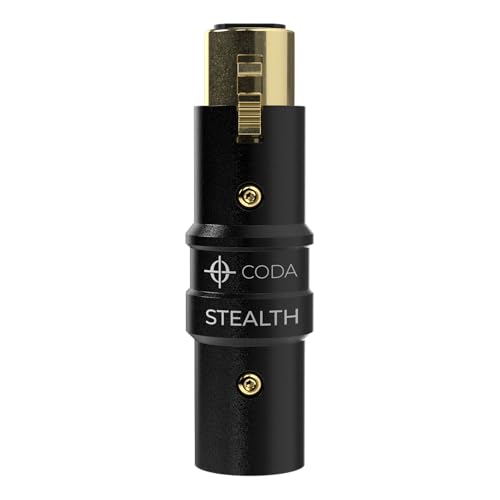
Coda Stealth Inline Mic Preamp
Coda Music Technologies
Mid-Range
Mic preamp with adjustable gain and balanced outputs
Rodyweil
Mid-Range
XTUGA XIC1 Microphone Preamp with 2 Inputs and 75 dB Gain
XTUGA
Mid-Range
Presonus TubePre v2 Tube Preamplifier DI Box
PreSonus
Premium
4 Channel In Line Mic Preamp for Dynamic & Ribbon Mics
Rodyweil
Mid-Range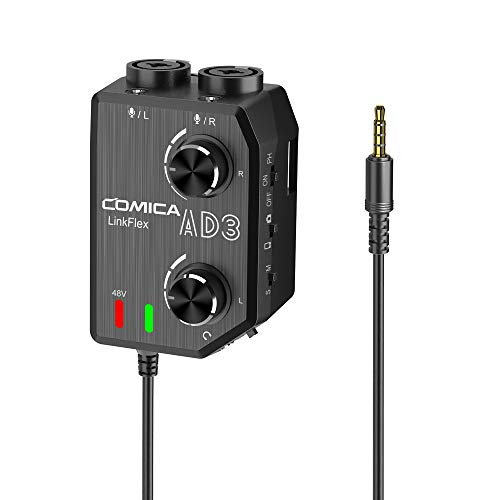
Comica LINKFLEX AD3 dual-channel audio preamp mixer
COMICA
Mid-Range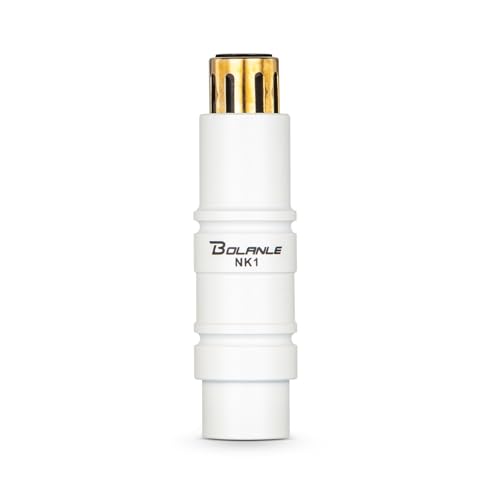
Bolanle XLR Preamp 28dB Gain with 48V Phantom for mics
Bolanle
Budget
Mic preamp FC-1 for low-output mics
Chkenono
Mid-Range
OFCOSH Microphone Preamp in-line booster
OFCOSH
Mid-Range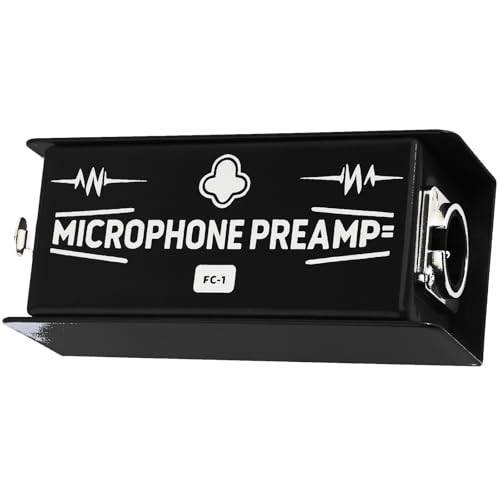
Mic Preamp FC-1: gain booster for studios
Chkenono
Mid-Range
Comica LINKFLEX.AD3 2-Channel Mic Preamp Mixer
COMICA
Mid-Range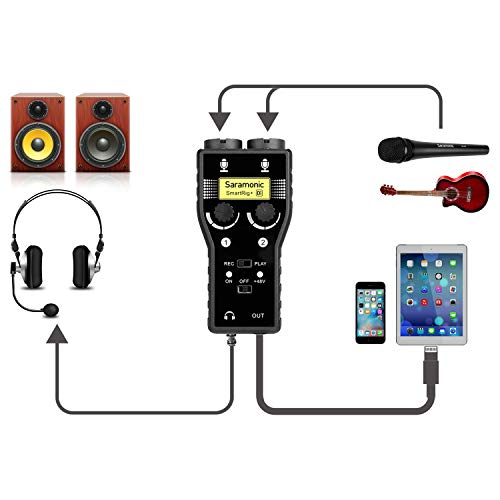
Saramonic SmartRig+ Di 2-Channel Lightning Microphone Interface
Saramonic
Mid-Range
Midas DL16 16-input stage box with 8 outputs and ULTRANET
MIDAS
Premium
STM-1 Microphone Preamplifier (Radio Design Labs)
Radio Design Labs
Mid-Range
BEHRINGER S32 32-channel rackmount audio interface
Behringer
PremiumRoundups
Frequently Asked Questions
How do I choose the right microphone preamp for my setup?
Match the preamp's inputs and outputs to your microphone and audio interface (XLR, TRS, or digital), check gain range to ensure enough clean boost for dynamic or ribbon mics, and consider features you need such as phantom power, pad, phase invert, and built-in DI or high-pass filters
What’s the difference between budget and higher-end preamps?
Lower-cost preamps typically offer essential gain, phantom power, and basic metering, while higher-end units add lower noise, more headroom, discrete circuitry, transformer balancing, more precise controls, and extra I/O or processing; choose based on required sound quality, noise floor, and workflow features rather than brand alone
Do I need a preamp if my audio interface already has mic inputs?
An interface preamp may be sufficient for many home and project-studio needs, but a dedicated external preamp can provide cleaner gain, different tonal character, lower noise, or specific features (e.g., vintage coloration or extra headroom) that improve signal quality for demanding mics or professional recordings
What specifications should I compare when shopping?
Compare gain range (dB), equivalent input noise (EIN) or noise floor, total harmonic distortion (THD), input impedance, maximum input level/headroom, presence of +48V phantom power, and available I/O and routing options to match performance to your microphones and recording goals
Are preamps compatible with condenser, dynamic, and ribbon microphones?
Most preamps support dynamic and condenser microphones; for condensers you need +48V phantom power, and for passive ribbon mics use preamps with sufficient gain and avoid phantom power unless the ribbon mic requires it; check the preamp’s gain and input impedance to ensure compatibility
How important is noise performance and how is it measured?
Noise performance affects clarity, especially when applying large gain; it’s measured as equivalent input noise (EIN) or noise floor in dBu/dBV—lower numbers indicate less noise—so look for preamps with low EIN and adequate headroom for your mic and source level
What maintenance or care do microphone preamps require?
Keep units dust-free, ensure proper ventilation to avoid heat buildup, use quality cables and stable power to prevent noise or damage, switch off phantom power before connecting/disconnecting mics when possible, and follow the manufacturer's instructions for firmware or calibration if applicable