Microscope Lenses
Microscope Lenses covers replacement and specialty optics for hobbyist and laboratory microscopes, including oculars, objective lenses, and lens sets for digital and stereo scopes. The 19 indexed products average a 4.75 rating and span budget to mid-range prices (about $32–$190), with brands like AmScope and OMAX represented
Top Products
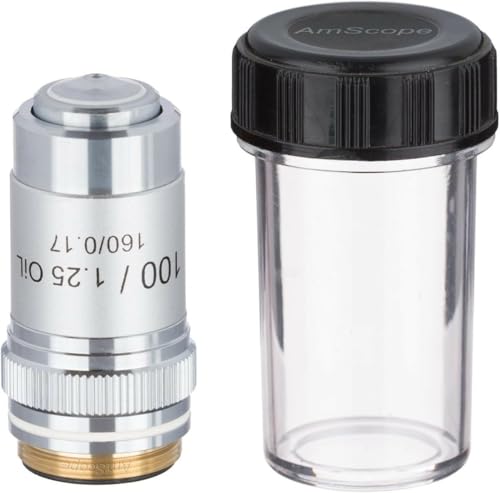
AmScope A100X 100X Achromatic Microscope Objective
AmScope
Budget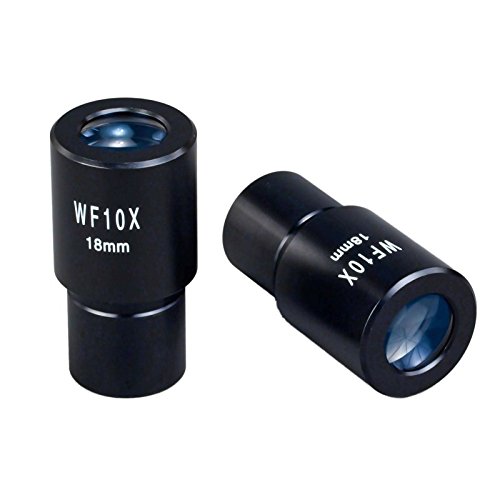
WF10X/18 Widefield Microscope Eyepieces, 23.2mm dia
OMAX
Mid-Range
OMAX 40X Achromatic Objective Lens for Compound Microscopes
AmScope
Mid-Range
OMAX 40X Achromatic Objective Lens for Microscopes
OMAX
Mid-Range
OMAX WF10X/20 Eyepiece, 30.0mm dia, widefield
OMAX
Budget
8X to 100X C Mount CCD Microscope Lens
EBTOOLS
Budget
AmScope 4X Infinity Achromatic Microscope Objective (DIN-standard)
AmScope
Budget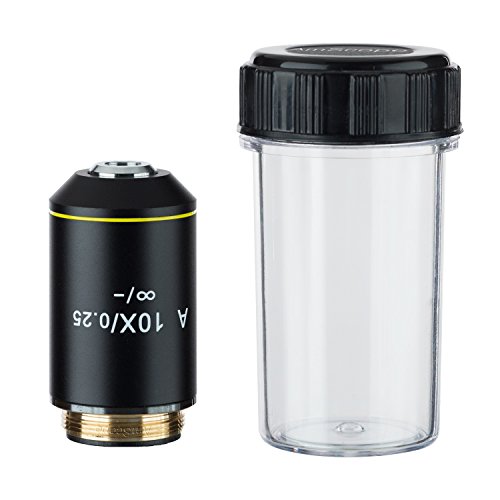
AmScope 10X Infinity Achromatic Microscope Objective (DIN)
AmScope
Mid-Range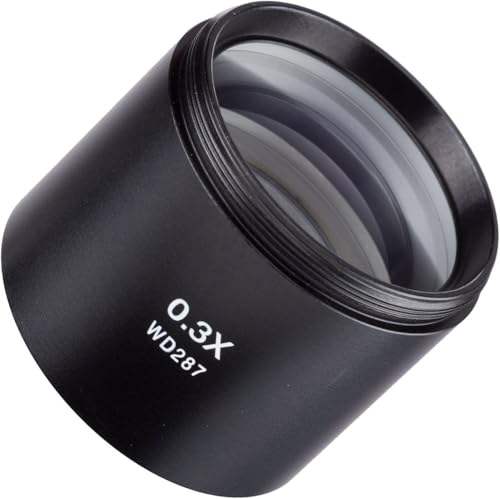
AmScope 0.3X Barlow Lens for SM/SW Stereo Microscopes
AmScope
Mid-Range
WF20X/10 Wid efield Eyepieces for Microscope (30.0 mm)
OMAX
Mid-Range
0.5X Barlow Lens for SF Series Stereo Microscopes (54mm)
United Scope, LLC.
Mid-Range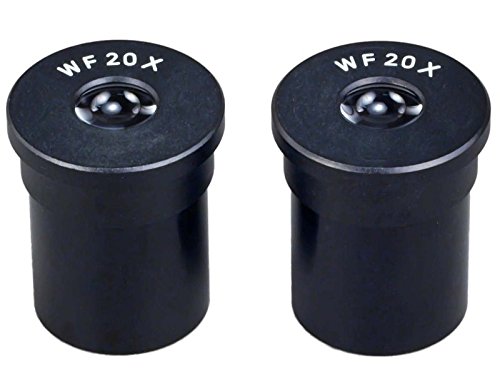
AmScope OMAX WF20X Microscope Eyepiece, 23.2mm mounting
AmScope
Mid-Range
180X magnification lens for industry microscope camera
GOLDEN BLUE
Mid-Range
Ep15x30F pair of focusable extreme widefield eyepieces
United Scope LLC.
Mid-Range
AmScope A40X-INF-B 40X Infinity Achromatic Microscope Objective
AmScope
Mid-Range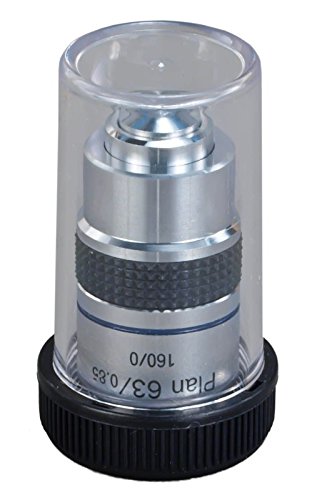
OMAX 63X PLAN objective DIN 160/0.17 microscope lens
OMAX
Mid-Range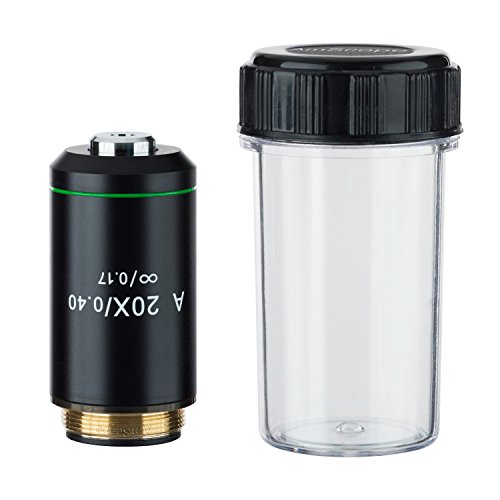
AmScope A20X-INF-B 20X Infinity Achromatic Microscope Objective
AmScope
Mid-Range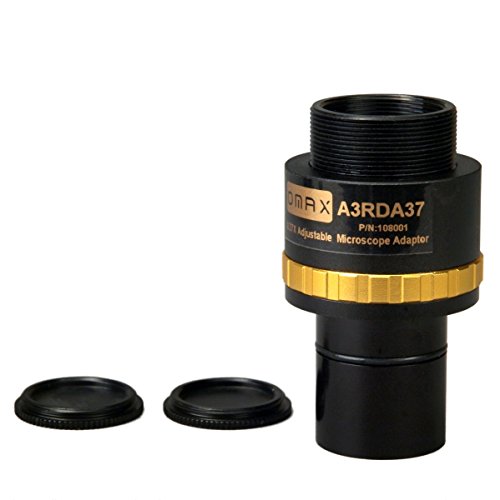
OMAX 0.37X Adjustable Reduction Lens for Microscope Camera
OMAX
Mid-Range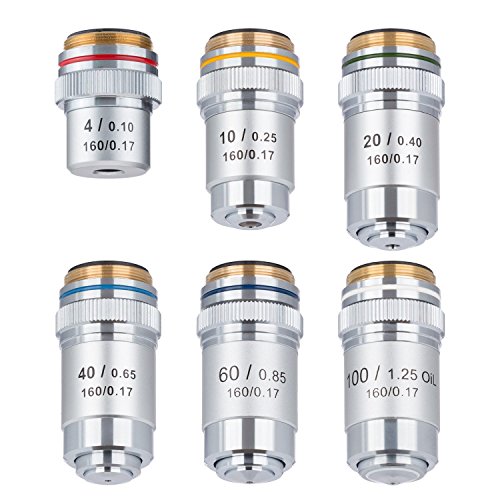
AmScope six achromatic objective lens set
AmScope
PremiumRoundups
Frequently Asked Questions
How do I choose the right microscope objective lens for my application?
Select objectives based on magnification, numerical aperture (NA), and intended specimen type: low magnifications (4x–10x) for large/overview samples, mid-range (20x–40x) for cells and circuitry, and high magnifications (60x–100x) for fine detail or high-resolution imaging; choose a higher NA for better resolution and light-gathering, and match the lens to the microscope’s mounting (e.g., RMS, DIN) and the imaging medium (air, water, oil)
What optical specifications should I prioritize for electronics and gadget inspection?
Prioritize numerical aperture (higher NA for finer detail), working distance (longer for probing or soldering), magnification suited to the task (10x–40x common for PCB inspection), and lens coatings that reduce reflections and improve contrast; also check compatibility with binocular/trinocular heads and camera adapters if you plan to capture images
Are there budget-friendly microscope lenses that still offer good performance?
Yes; budget options commonly fall under $50–$100 and can provide adequate optical quality for routine electronics inspection and hobby use, but expect compromises in coatings, durability, and higher aberrations compared with professional-grade objectives that cost more
How do I maintain and clean microscope lenses to keep optical quality?
Handle lenses by the barrel, blow off dust with a bulb blower, then gently wipe with lens tissue or a microfiber cloth moistened with lens-cleaning solution or isopropyl alcohol in a circular motion; avoid touching optical surfaces and store lenses in a dry, dust-free case to prevent fungus and scratches
What mounting standards and compatibility should I check before buying replacement or add-on lenses?
Confirm the objective thread or mount type (common standards include RMS 20.32 mm and DIN), tube lens or parfocal requirements for infinity-corrected vs. finite systems, and whether the lens is rated for your microscope’s imaging mode (brightfield, darkfield, phase contrast) to ensure mechanical and optical compatibility
Can I use microscope objectives with digital cameras or inspection cameras?
Yes; many objectives can be used with C-mount or other camera adapters, but you must match the objective’s optical design (infinity vs. finite) to the camera adapter and ensure correct flange focal distance or tube lens to achieve focus and correct magnification without vignetting
What differences exist between achromatic, semi-plan, and plan objectives for imaging electronics?
Achromatic objectives correct for color and spherical aberration at limited fields, semi-plan improve flatness over more of the field, and plan objectives provide the flattest image across the entire field; for inspecting PCBs or components where edge-to-edge sharpness matters, semi-plan or plan objectives are preferable