Multieffects Processors
Multieffects processors for guitar, bass and studio use combine multiple effects (distortion, delay, reverb, modulation) and routing options into a single unit for live and recording setups. This category (14 products, avg rating 4.39) spans budget to premium models, with brands like MOOER represented
Top Products

MOOER PE100 Portable Desktop Guitar Multi Effects Headphone Amp
MOOER
Mid-Range
Zoom A1 FOUR Acoustic Instrument Multi-Effects Processor Pedal
Zoom
Mid-Range
GE200 Plus intelligent multi-effects guitar processor
MOOER
Premium
Depusheng REV3900 KTV Pre-Effector with USB/Bluetooth, 2-mic pre-effect
Depusheng
Mid-Range
K-6 Professional KTV Digital Pre-Stage Effector with 4 mics, USB/Bluetooth Karaoke Mixer
FULODE
Mid-Range
Kadjuh LX9 KTV Digital Pre-stage Reverberator
Kadjuh
Mid-Range
KTV digital pre-stage audio processor with USB Bluetooth
FULODE
Mid-Range
dbx DriveRack PA2 2x6 PA loudspeaker management system
dbx
Premium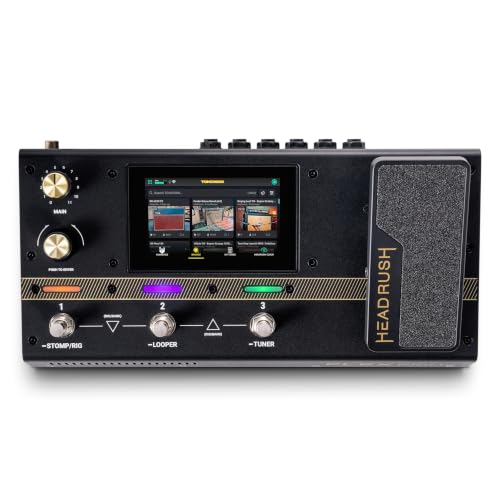
HeadRush Flex Prime multi-effects pedal and amp modeller
HEADRUSH
Premium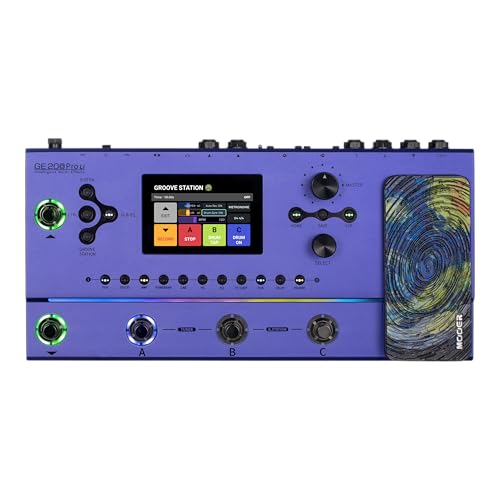
GE200 Pro Li Amp Modelling Guitar Multi Effects Pedal
MOOER
Premium
KT900DSP Feedback Suppressor Preamp Preamplifier
micfuns
Mid-Range
HeadRush Prime guitar & vocal multi effects pedal
HEADRUSH
Premium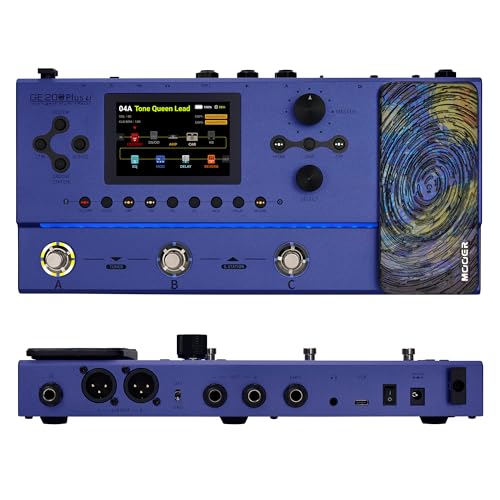
GE200 Plus Li Guitar Multi-Effects Processor
MOOER
Premium
HeadRush Core: guitar & vocal multi fx processor
HEADRUSH
PremiumRoundups
Frequently Asked Questions
How do I choose the right multieffects processor for my instrument and playing style?
Match the processor's input type (guitar, bass, microphone, line) and amp/modeling features to your instrument and preferred tones; check available effects (delay, reverb, modulation, distortion), signal routing (serial/parallel, FX loop), and whether presets/patches and user editing suit live vs. studio use
What budget should I expect for a decent multieffects processor and what differences come with higher price points?
Entry-level units and compact pedals are commonly found at lower price tiers, while mid-to-higher priced processors (hundreds of dollars on average in this category) typically add more high-quality amp modeling, finer effect algorithms, larger preset storage, better I/O and build quality; choose based on the features you actually need rather than price alone
Which inputs, outputs, and connectivity options are important for recording and live performance?
Look for balanced XLR or TRS outputs for FOH/PA connections, dedicated headphone outputs for monitoring, USB audio/MIDI for direct recording and editor integration, and an FX loop or send/return for integrating external pedals or amps; true stereo I/O is important if you plan to use stereo effects or rigs
How important is amp modeling and cabinet simulation in a multieffects processor?
Amp and cab simulation lets you go direct to PA or recording interfaces with a familiar amp sound and reduces need for miking a cabinet; its importance depends on whether you need consistent direct tone, plan to use real amps, or prefer reamping and separate mic'd cab options
What should I consider about preset management and editing interfaces?
Evaluate the number of onboard presets, ease of creating and switching patches, on-device controls versus companion software/phone apps, and whether the workflow supports live scene changes or quick footswitch access
How durable and serviceable are multieffects processors, and what maintenance is needed?
Most units are designed for gigging with metal or rugged plastic housings; maintain them by keeping connectors clean, protecting them from moisture and impact, using a stable power supply, and checking firmware updates from the manufacturer for bug fixes and feature improvements
Can I integrate a multieffects processor with external pedals, amps, and DAWs?
Yes—use the FX loop or send/return to insert pedals or amp channels, DI/line outputs or speaker-emulated outputs to feed mixers or interfaces, and USB/MIDI connections for DAW recording, tempo sync, preset control, and automation