Photographic Film
Photographic Film in Electronics & Gadgets covers roll and instant films for analog cameras, including color, black-and-white, and specialty formats from brands like Fujifilm and KODAK. The category aggregates 114 indexed products with an average rating of 4.65 and price tiers from about $33 to $425, spanning budget through premium options
Top Products
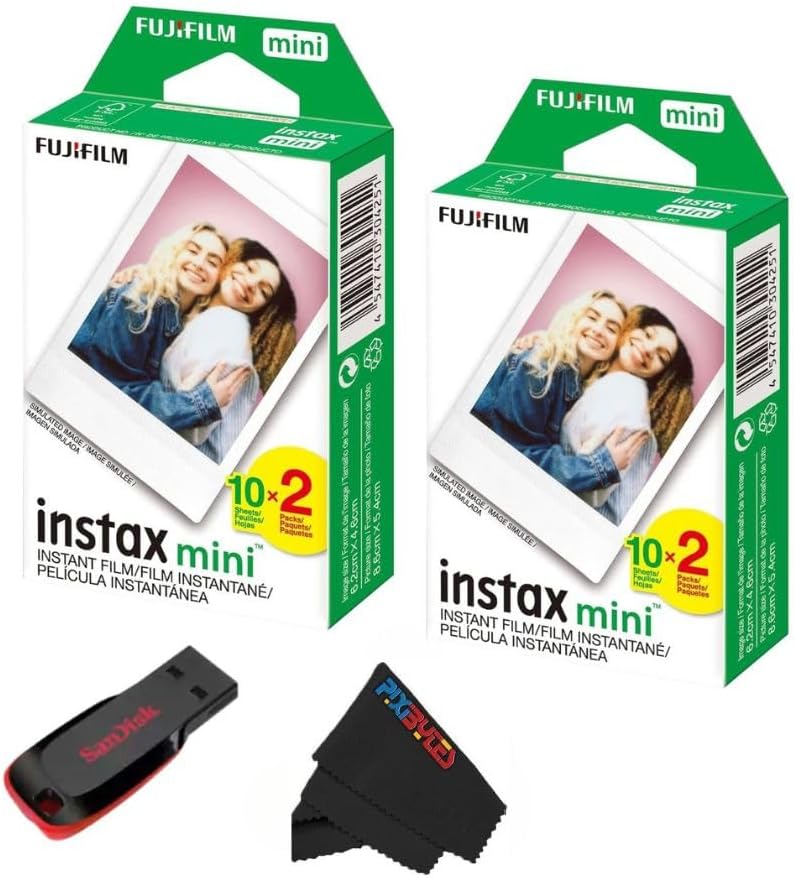
Fujifilm Instax Mini Daylight Instant Film for Mini Cameras (2 x Twin Packs + USB)
Fujifilm
Mid-Range
Fujifilm Instax Mini Twin Pack Instant Film, 40 sheets
Fujifilm
Mid-Range
Fujifilm Instax Mini Daylight Film Twin Packs
Fujifilm
Mid-Range
Fujifilm Mini Instant Film 10 Sheets Pack
Fujifilm
Mid-Range
Fujifilm Instax Mini Film 5-Pack for Mini Cameras
Fujifilm
Mid-Range
Polaroid I-Type Color Film Double Pack (16 photos)
Polaroid
Budget
Fujifilm Instax Wide Twin Pack Film (40 Exposures) with Cloth
Fujifilm
Mid-Range
Fujifilm Instax Mini Black Frame Film 3-Pack
Fujifilm
Mid-Range
Kodak Colorplus 200 4x 36-exposure rolls
KODAK
Mid-Range
Fujifilm instax SQUARE Instant Film 20 Exposures
Fujifilm
Mid-Range
Ilford HP5+ 35mm 5-roll multi-pack (36 exp each)
Ilford
Mid-Range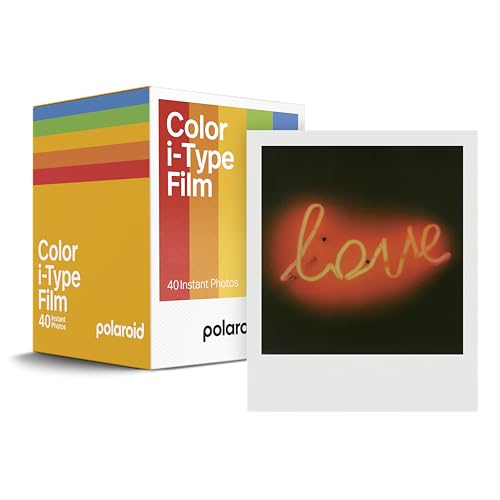
Polaroid I-Type Film 40 Photos (40x) 6010
Polaroid
Mid-Range
Fujifilm Wide Instant Film Twin Pack (40 sheets) + cleaning cloth
Fujifilm
Mid-Range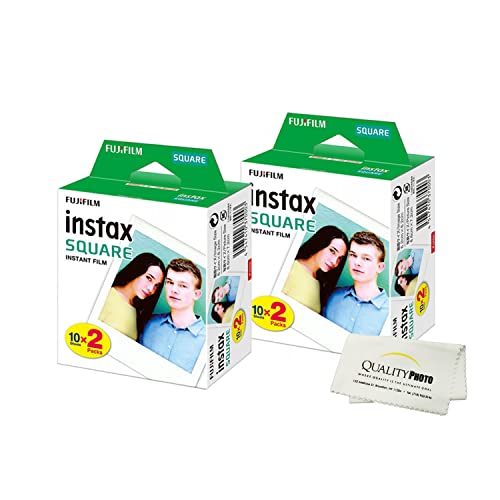
Fujifilm instax SQUARE Instant Film, 40 Exposures
Fujifilm
Mid-Range
Fujifilm instax Wide Instant Film (40 sheets) for Wide cameras
Fujifilm
Mid-Range
Ilford HP5 400 120 Film – 5 rolls
Ilford
Mid-Range
Fujifilm Instax Mini Instant Film Kit (40 sheets) + Frames & Stickers
Fujifilm
Mid-Range
Fujifilm Mini Instant Film (White) for Mini 8/9/11 + Frame Stickers
Fujifilm
Budget
Fujifilm 400 Color Negative Film (35mm, 36 exposures, 3-rolls) + microfiber cloth
Fujifilm
Mid-Range
Fujifilm Instax Mini Film with Cleaning Cloth (5 twin packs) USB
Fujifilm
Mid-Range
Impossible/Polaroid Color Film for Polaroid 600 & i-Type (2 Pack)
The Imaging World
Mid-Range
Kodak Gold 200 35mm Film 3-pack with 108 digital scans
RAW 135
Mid-Range
Fujifilm Instax Mini Film Twin Pack with Moshify Sticker Frames
Moshify
Mid-Range
Fujifilm Instax Mini Monochrome Film, 20 Exposures
Fujifilm
BudgetRoundups
Frequently Asked Questions
How do I choose the right type of photographic film for my camera?
Match the film format to your camera (35mm, 120/medium format, or instant formats like SX-70/i-Type); then pick color vs. black-and-white and film speed (ISO) based on lighting—ISO 100–200 for bright light and fine grain, ISO 400 for general-purpose use, ISO 800+ for low light or fast action
What are the main differences between color negative, color slide, and black‑and‑white film?
Color negative film produces negatives that are scanned or printed and offers wide exposure latitude; color slide (reversal) film yields positive transparencies with higher contrast and saturated colors but tighter exposure tolerance; black‑and‑white film gives monochrome tones and is often processed in standard black‑and‑white chemistry or sent to labs for scanning
How should I store unused and exposed photographic film to preserve quality?
Store unused film in a cool, dry, and dark place—refrigeration helps long-term storage (in sealed bags to prevent condensation) and keep exposed film refrigerated until processing to slow degradation; avoid heat, humidity, and strong magnetic fields
What should I consider about film speed (ISO) when planning a shoot?
Choose lower ISO for maximum detail and fine grain in bright or controlled lighting, mid ISO (around 400) for versatility, and higher ISO for low light or fast shutter speeds; remember higher ISO often increases visible grain and may affect contrast and color saturation
Can I process all film types at home, and what basic equipment do I need?
Black‑and‑white film is the easiest to develop at home with a developing tank, chemicals (developer, stop bath or water, fixer), thermometer, and a timer; color negative (C‑41) and slide (E‑6) processes are more complex but doable with temperature control and specific chemistry; instant films generally cannot be processed at home beyond following manufacturer handling instructions
How many exposures should I expect per roll and how does that affect cost per image?
Typical roll capacities are 24 or 36 exposures for 35mm and 10–16 for many medium‑format rolls; cost per image depends on film price and processing/scanning costs—shooting more frames or choosing lower‑cost film reduces per‑image expense
Are there compatibility concerns between brands and specific cameras or equipment?
Most films follow standard formats and are compatible across cameras that accept those formats, but check that instant film matches your instant camera type (e.g., SX‑70 vs. i‑Type); also confirm film backing paper and spool dimensions for some older medium‑format or specialty cameras