Photographic Light Meters
Handheld photographic light meters and exposure meters for still and video work, ranging from basic incident meters to multifunctional spot and ambient meters. The category averages 14 indexed products, a 4.33 rating, and mid-range pricing (about $34–$130, avg $54); brands include Dr.meter and UNI-T
Top Products

LX1330B Digital Illuminance Light Meter (0-200000 Lux)
Dr.meter
Budget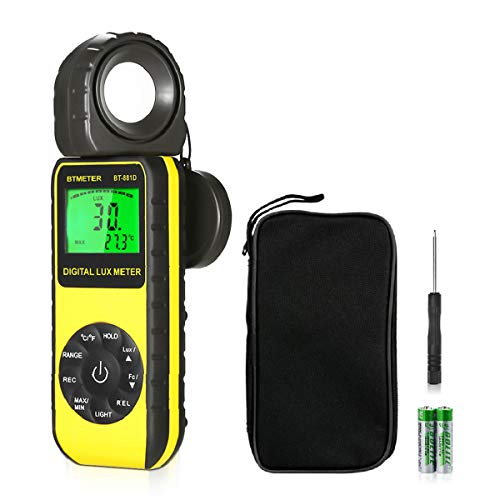
BTMETER BT-881D Digital Illuminance Light Meter
BTMETER
Mid-Range
UNI-T UT383BT Lux Meter with Bluetooth
UNI-T
Budget
AP-881E Light Meter for Lux, 0.01-300k Lux, 270° Rotated Sensor
AOPUTTRIVER
Budget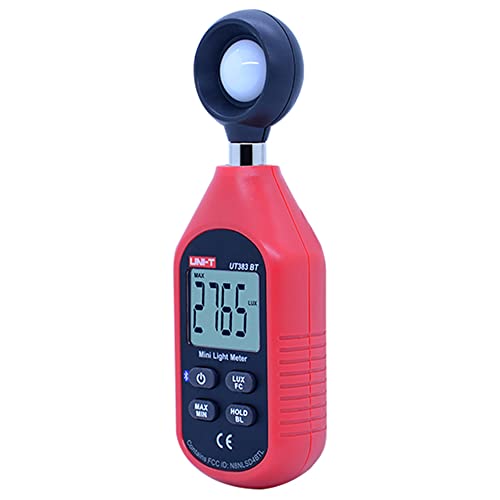
UNI-T UT383BT Digital Illuminance Light Meter
UNI-T
Budget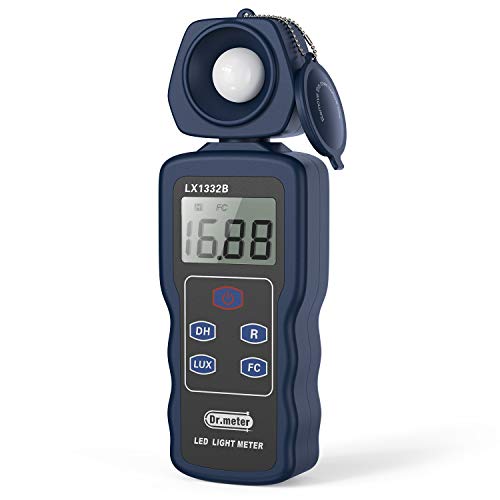
Professional LED Light Meter with 0-200,000 lux range
Dr.meter
Budget
HOLDPEAK Illuminance Light Meter with Bluetooth
H HOLDPEAK
Budget
Illuminance meter with color temp measurement SK-8201/SK-8202
BSEWO
Budget
KE-881D Digital Illuminance Meter 0.1–400,000 Lux
Kethvoz
Mid-Range
LightMate Lite 2R Light Meter for Cameras
LightNova
Mid-Range
PEAKMETER Digital Light Meter PM6612L Lux Meter
Akozon
Budget
MH LX-1010B Digital Luxmeter with LCD display
Maximum Horticulture
Mid-Range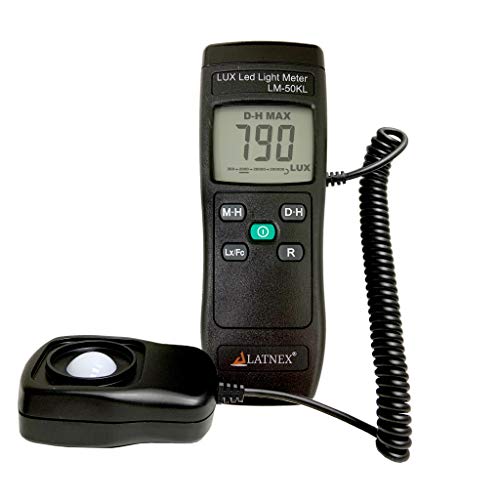
LATNEX LM-50KL Light Meter for Lux/Foot-Candles
LATNEX
Mid-Range
OLED Light Meter Brass Dial
DOOMO MADE
Mid-RangeRoundups
Frequently Asked Questions
How do I choose the right type of light meter for photography?
Decide between incident meters (measure light falling on the subject) and reflected meters (measure light reflected from the scene); incident meters are better for consistent exposure of subjects, while reflected meters are useful for spot readings and high-contrast scenes. Also consider features like spot measurement angle, EV/lux ranges, exposure modes (aperture/shutter/ISO readouts), and size/ergonomics for your workflow
What measurement ranges and accuracy should I look for?
Look for a meter with an EV or lux range that covers low-light to bright conditions (typical meters cover roughly EV -2 to 20 or lux equivalents) and ±1/3 to ±1/2 stop accuracy for reliable exposures. Check if the meter supports the ISO values you use and if it provides spot readings for precise highlights or shadows
Are there budget-friendly options that still perform well?
Yes — many affordable meters in the consumer electronics niche offer incident and reflected modes and essential exposure readouts; budget models commonly fall under $50–$100, while more feature-rich or professional units cost more. Prioritize core measurement accuracy and required features over extra bells to get good value
Do light meters require calibration or regular maintenance?
Most handheld light meters are stable and don’t require routine calibration, but you should keep the sensor and white dome clean, replace batteries as needed, and avoid exposing the sensor to extreme moisture or heat; if accuracy seems off, check against a known reference or consult the manufacturer for calibration procedures
What connectivity or display features matter for ease of use?
Readable, backlit displays and simple menus improve usability in the field; some meters offer memory recall, exposure averaging, or USB/Bluetooth for data transfer, which can be helpful for tethered workflows or logging measurements. Prioritize features that match your shooting style—compact simplicity for run-and-gun work, or connectivity for studio and data tracking
Can a light meter help with flash and mixed lighting situations?
Yes — many meters include flash or strobe measurement modes (trigger or sync) and guide number calculations for flash exposure; for mixed lighting, take separate incident and reflected readings or use spot metering to balance key areas, then adjust exposure or use gels to match color temperature