Portable & Arranger Keyboards
Portable and arranger keyboards include compact digital pianos, MIDI controller-style portable boards, and feature-rich arranger workstations for live performance and composition. The category spans budget through premium models (217 indexed, avg rating 4.42) and features brands such as Casio and Yamaha
Top Products
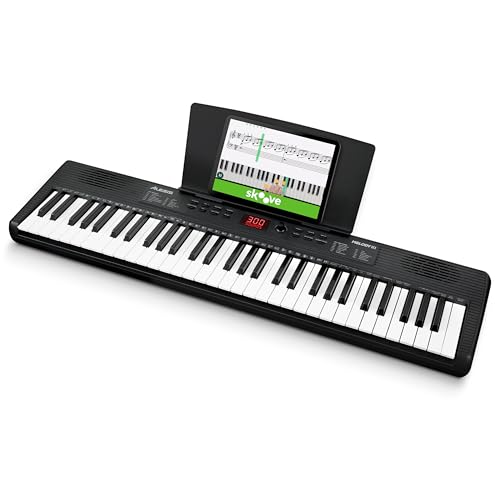
Alesis Melody 61 MK4 Keyboard for Beginners
Alesis
Mid-Range
RockJam 49 Key Keyboard Piano with Stand & Lessons
RockJam
Mid-Range
Pyle 49-key Portable Keyboard with Karaoke & Mic
Pyle
Budget
RockJam 49 Key USB Keyboard Piano with Lessons & Keynote Stickers
RockJam
Mid-Range
RockJam 61-key keyboard kit with stand, bench, headphones
RockJam
Mid-Range
RockJam 49 Key USB Keyboard Piano with Lessons & Keynote Stickers
RockJam
Mid-Range
Casio Casiotone CT-S200 61-key portable keyboard
Casio
Mid-Range
Casio Casiotone CT-S200 61-key Portable Keyboard
Casio
Mid-Range
Pyle 49-key portable digital keyboard with karaoke, pink PKBRD4912PK
Pyle
Budget
RockJam 49-key USB keyboard piano with lessons
RockJam
Mid-Range
RockJam 761 61-key keyboard with bench, pedal & lessons
RockJam
Mid-Range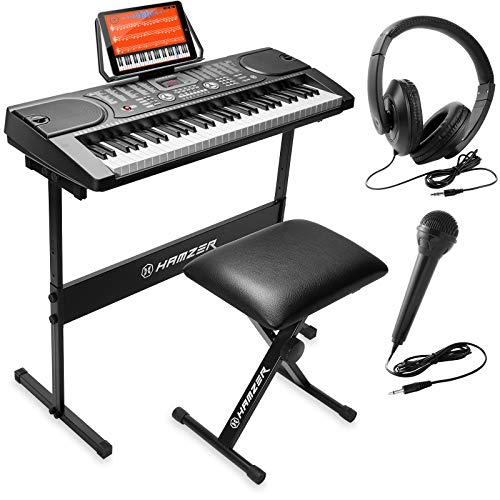
Hamzer 61-key digital keyboard with stand & bench
Hamzer
Mid-Range
Pyle 61-key portable digital piano keyboard
Pyle
Mid-Range
Yamaha 61-key portable keyboard for beginners
Yamaha
Mid-Range
Casio CT-S200 Premium Keyboard Pack
Casio
Premium
Vangoa 61-key lighted mini keyboard for kids, purple
Vangoa
Mid-Range
61-key beginner electronic keyboard with lighted keys
Best Choice Products
Premium
Casio CT-S200BK Premium Keyboard Pack
Casio
Premium
Pyle 49-key portable digital keyboard
Pyle
Budget
RockJam 49-key USB keyboard piano with lessons & stickers
RockJam
Mid-Range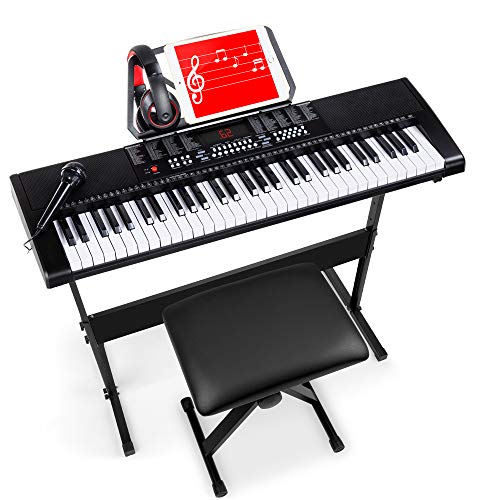
61-key electronic keyboard piano with stand, bench & headphones
Best Choice Products
Mid-Range
MUSTAR 61-key Portable Keyboard Piano with Stand
Fitnessclub
Mid-Range
61-key electronic digital piano with built-in speaker
Wfhdtx
Mid-Range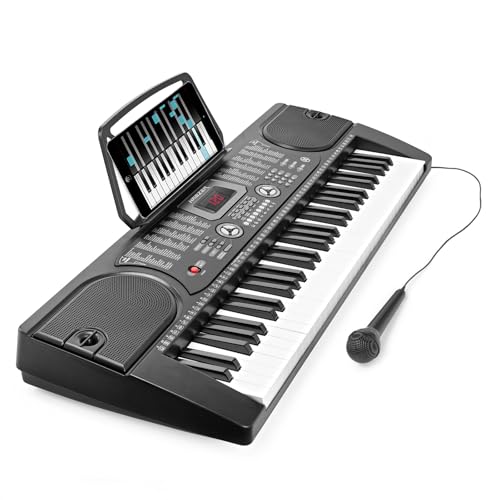
Hamzer 61-key beginner electronic keyboard with built-in speakers
Hamzer
Mid-RangeRoundups
- Best Portable & Arranger Keyboards for Portable Practice At Home (2026)
- Best Portable & Arranger Keyboards for Beginner Piano Practice (2026)
- Best Portable & Arranger Keyboards Under $200 (2026)
- Best Portable & Arranger Keyboards Under $100 (2026)
- Best Portable & Arranger Keyboards Under $50 (2026)
- Best Portable & Arranger Keyboards (2026 Guide)
Frequently Asked Questions
How do I choose between a portable keyboard and an arranger keyboard?
Choose a portable keyboard if you need lightweight, battery-powered play and simple sounds; pick an arranger keyboard if you want built-in accompaniment styles, song creation tools, and more advanced performance features like chord recognition and auto-accompaniment
What keyboard size and number of keys should I get as a beginner or for gigging?
Beginners often start with 61 keys for a balance of portability and playability; 49 keys are more compact, while 76 or 88 keys suit players who need extended range or weighted actions for stage use and piano feel
Which features matter most when comparing models (sounds, connectivity, and controls)?
Prioritize sound quality and polyphony count for complex arrangements, connectivity like USB-MIDI and audio outputs for recording and amplification, and control features such as touch-sensitive keys, split/layer functions, and onboard sequencers or style controls for arrangers
What should I look for regarding build quality and portability?
Check weight and dimensions for transport, the sturdiness of the chassis and keybed, battery-power options if you need untethered use, and whether the keyboard has secure mounting points and rubber feet for stable stage placement
How do I compare sound libraries and expansion options?
Compare the variety and realism of factory presets, the number of instrument categories, support for user-created or downloadable sounds, and whether the keyboard accepts sound packs, sample import, or software integration for expanding the library
What connectivity and compatibility should I expect for recording and live performance?
Expect USB-MIDI for DAW integration, sustain pedal and expression pedal inputs, stereo audio outputs or headphone jack, and sometimes Bluetooth or line-level inputs; ensure the keyboard’s outputs match your amp, mixer, or audio interface requirements
How should I care for and maintain a portable or arranger keyboard?
Keep the instrument in a padded case or gig bag during transport, avoid exposure to extreme temperatures and moisture, clean keys with a soft dry cloth, and periodically check and replace batteries or power supplies and pedals as needed